

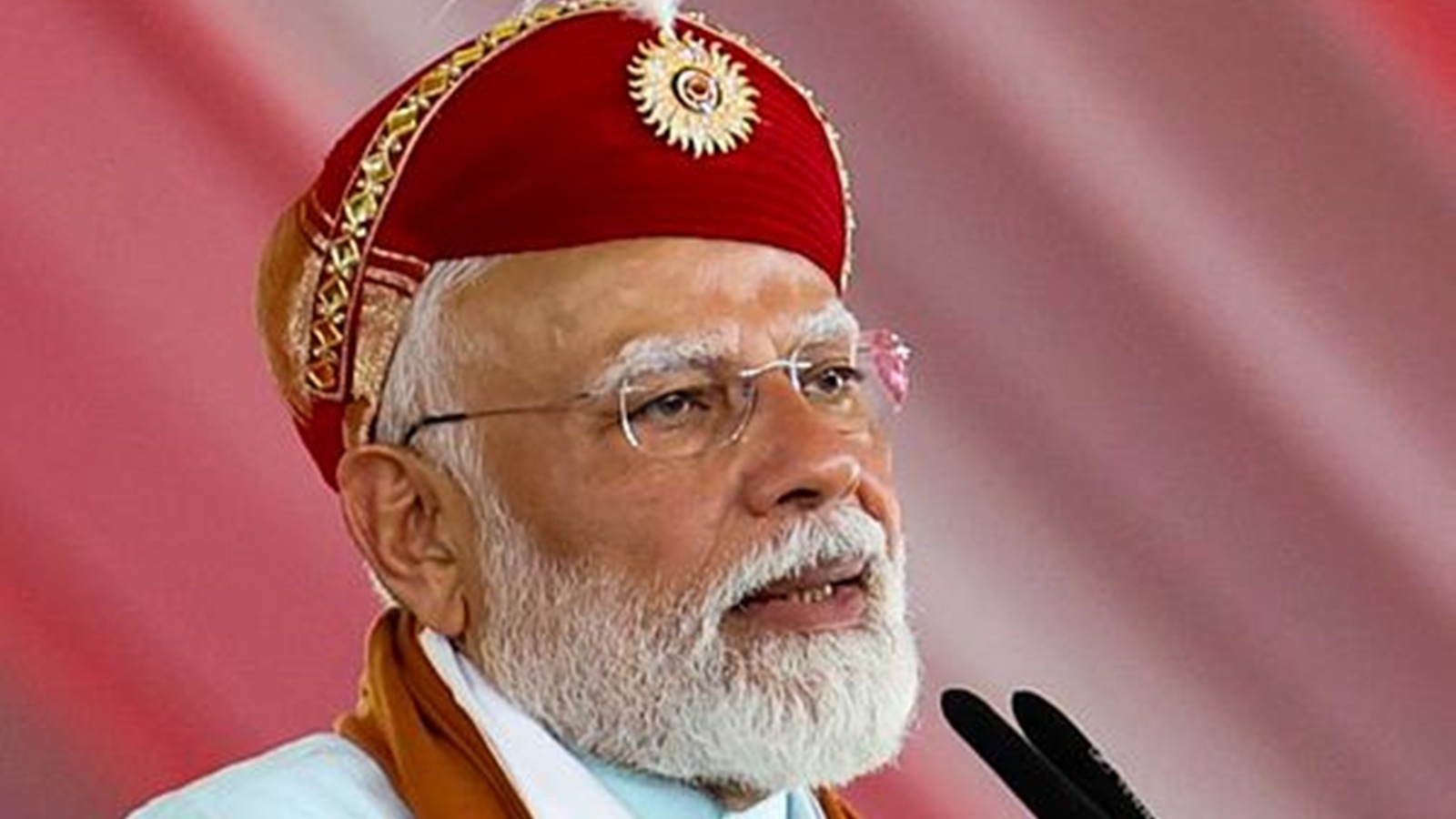
Prime Minister Narendra Modi has sounded the alarm on the growing obesity crisis in India, citing a report that predicts nearly 44 crore Indians may suffer from obesity by 2050. Addressing a gathering in Silvassa on Friday, part of the Union Territory of Dadra and Nagar Haveli and Daman and Diu, Modi stressed on the urgent need for lifestyle changes to combat this growing health concern.
Calling obesity the root cause of numerous diseases, Modi urged people to adopt healthier habits, including regular exercise and a reduction in edible oil consumption by at least 10 percent. “Diseases linked to our lifestyle are posing a huge risk to our health today. Obesity is one of them because it is the root cause of many ailments. According to a recent report, nearly 44 crore people in India may be obese by 2050. This figure is huge and equally alarming,” Modi said.
He warned that if current trends continue, one in every three Indians could be obese by 2050, with serious implications for public health. “Obesity will prove dangerous for our health, and we must start acting now to overcome this challenge. I appeal to everyone to reduce their edible oil consumption by 10 percent and pledge to live a healthier lifestyle through regular exercise and cycling,” he said.
Celebrities join the fight against obesity
Previously, the Prime Minister had taken his campaign against obesity to a national level, raising the issue in his monthly radio programme Mann Ki Baat. He had nominated prominent sports figures and health experts to spread awareness about the importance of fitness and a balanced diet.
Among those chosen as ambassadors are Olympic gold medalist Neeraj Chopra and world champion boxer Nikhat Zareen, who have encouraged people to dedicate time to physical activity and maintain a nutritious diet.
Global obesity trends and India’s alarming growth
A pair of studies published in The Lancet on March 3 have revealed a worrying global trend, estimating that by 2050, over half of all adults worldwide—around 380 crore people—will be overweight or obese. Additionally, 74.6 crore children and adolescents are expected to be affected.
As of 2021, approximately 211 crore people—about 45% of the world’s population—were categorized as overweight or obese. India ranked among the top countries contributing to this number, with 18 crore individuals affected. If current trends persist, India may surpass China in some obesity-related statistics by 2050.
Story continues below this ad
India’s Obesity Projections
The studies indicate that India is on track to experience a significant rise in obesity across all age groups:
Adults: The number of overweight and obese adults in India has increased drastically since 1990, with projections placing India as the second-largest overweight population globally by 2050.
Older Adolescents (15-24 years): By 2021, India had already overtaken China in having the highest number of overweight and obese older adolescents. This number is expected to rise further.
Children: India currently ranks second in the number of obese or overweight children, just behind China. However, by 2050, China’s obesity rate among children is predicted to stabilize, while India’s will continue to rise, narrowing the gap between the two countries.
Story continues below this ad
Revised definition of obesity
A recent Lancet commission has proposed redefining obesity by introducing new categories: clinical obesity and pre-clinical obesity. This updated definition incorporates multiple physical parameters, including height, weight, waist circumference, and muscle mass, alongside metabolic and physiological indicators.
Under the revised guidelines, a physician will consider at least two body size parameters—such as BMI, waist-to-hip ratio, and waist-to-height ratio—before diagnosing clinical obesity. Additional symptoms such as breathlessness, sleep apnea, metabolic dysfunction, joint pain, and chronic fatigue will also be taken into account.
© IE Online Media Services Pvt Ltd
Disclaimer: We do not own any of the content, ideas, images, or text presented here. All rights belong to their respective owners. For more information and to view the original source, please visit the following link: