

3 min readNew DelhiUpdated: Feb 3, 2026 01:39 AM IST
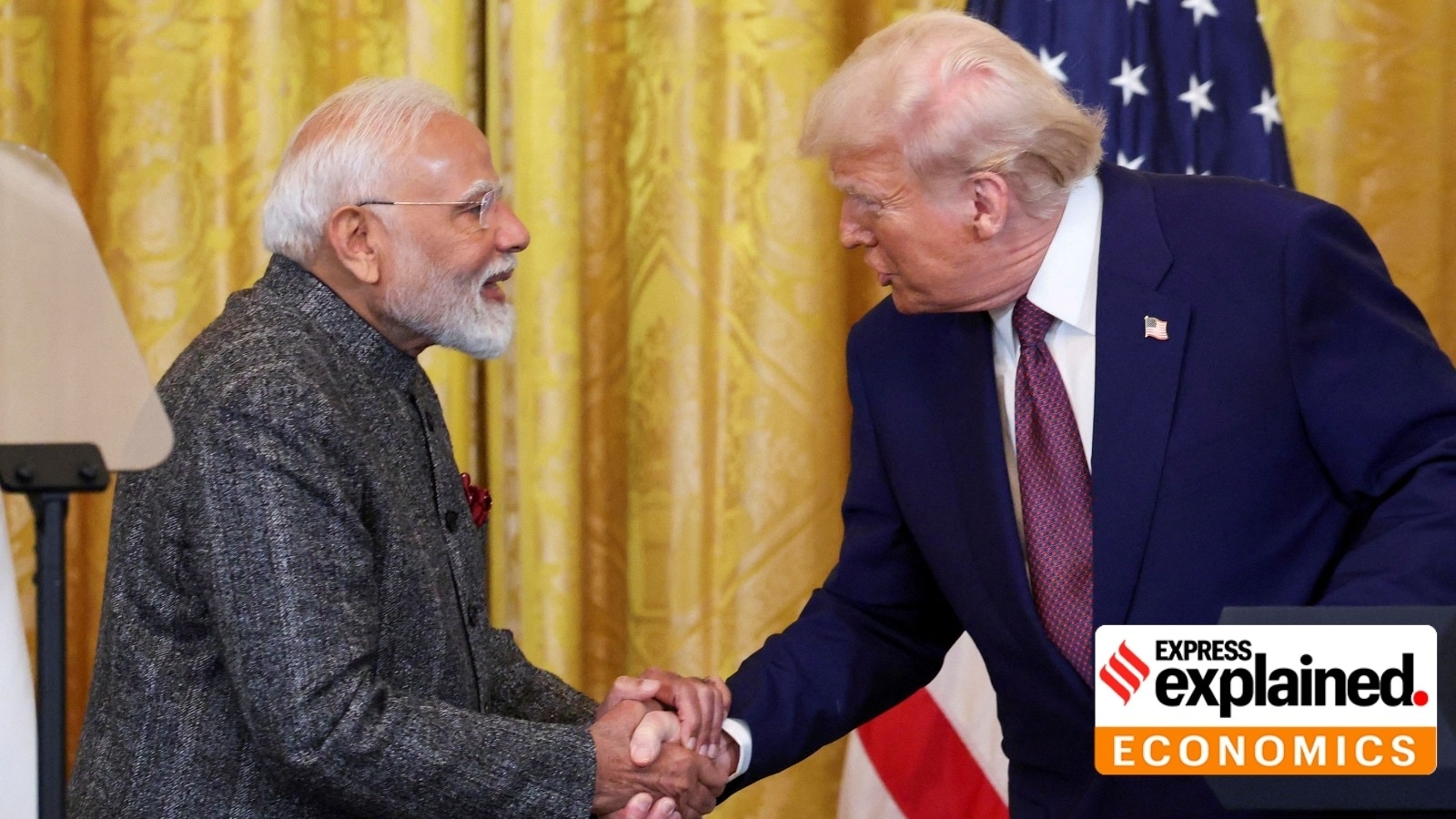
India–US trade deal announced: The steep cut in US tariffs to 18 per cent from 50 per cent under the trade deal has reinforced what was always believed in New Delhi but had begun looking hazy — that the US sees in India an ally and counterweight to China as it seeks to rewrite the norms of the global trade order.
Prima facie, an 18 per cent headline tariff places India in a reasonably good position against competitors in terms of accessing the American market, but the fine print of the deal would really hold the key to how favourable it is from New Delhi’s perspective. India’s deal with the European Union (EU), for instance, was well-negotiated and strived to balance the concerns on both sides, but US President Donald Trump’s negotiation strategy is typically extractive.
A convergence between the two countries on the reciprocal tariff was achieved over the last week, with a number of ‘sticky issues’ having been addressed. Crucial among those is a commitment to step up buying American goods, in addition to an agreement to purchase over $500 billion worth of American energy products, including natural gas and coal, technology products, and nuclear equipment. For context, India’s total goods imports in FY25 stood at $720.24 billion.
A US deal was being seen as imperative at this point in time for policymakers, given the rising concern regarding capital outflows from India and the consequent pressure on the rupee. Expectations are the deal is likely to stem some of those outflows, especially by portfolio investors. The rupee is expected to strengthen and markets are likely to see a rally.
With trade deals inked with the US, UK and European Union, the global trade map seems to have tilted in India’s favour, compared with East Asian economies that seemed to be racing ahead with significant Chinese investments. India now has an advantage as large markets in the West continue to restrict Chinese products with the use of anti-dumping duties and other trade restrictive measures.
This opens room for India to exploit gains and pursue deeper and meaningful integration with the West.
India now has in place deals with the two of the three largest economies — the US and the EU, while the prospects of a thaw in trade relations is unfolding with China.
Story continues below this ad
Going forward, much could depend on the extent to which the export opportunity is exploited, given India’s dependency on Chinese imports, which crossed $112 billion in the last financial year. In response to US trade deals, China has warned of consequences if agreements are struck at its expense. China’s chokehold on rare earth elements had not only hurt American companies, but also Indian automobiles.


© The Indian Express Pvt Ltd
Disclaimer: We do not own any of the content, ideas, images, or text presented here. All rights belong to their respective owners. For more information and to view the original source, please visit the following link: