All posts tagged: Antarctic

Antarctic Ice Melt Weakens Strongest Ocean Current, Disrupting Global Circulation

Antarctic Ice Melt Weakens Strongest Ocean Current, Disrupting Global Circulation

Earth’s most powerful ocean current is losing strength, with potential consequences for global ocean circulation. Scientists have projected that the Antarctic Circumpolar Current (ACC) could slow down by as much as 20 percent by 2050. The weakening of this current, which connects multiple oceans and regulates heat exchange, is being attributed to the increasing influx of cold meltwater from Antarctica. This shift in ocean dynamics could have far-reaching effects on sea levels, temperatures, and marine ecosystems worldwide. Findings from Climate Modelling According to a study published in Environmental Research Letters, a team led by Bishakhdatta Gayen, a fluid mechanist at the University of Melbourne, has analysed how Antarctic ice melt is affecting the ACC. Using one of Australia’s most advanced climate simulators, researchers modelled interactions between the ice sheet and ocean waters. The study indicates that the introduction of fresh, cold meltwater weakens the current by altering ocean density and reducing convection between surface and deep waters. Consequences of a Slower Current The slowdown of the ACC is expected to disrupt global ocean circulation. As …

Antarctic Ice Sheet Melting May Intensify Volcanic Eruptions, Study Finds

Antarctic Ice Sheet Melting May Intensify Volcanic Eruptions, Study Finds

The melting of Antarctic ice sheets could be leading to more intense volcanic eruptions, with significant implications for Earth’s geological systems. As ice sheets reduce in size, the massive weight they exert on the Earth’s crust diminishes, a process that impacts magma chambers beneath the surface. This pressure alteration may result in increased volcanic activity, particularly in regions like the West Antarctic Rift System, where over 100 volcanic centers are located. Volcanic Activity Linked to Ice Loss According to a study published in Geochemistry, Geophysics, Geosystems, the melting of ice sheets triggers a process known as isostatic rebound, which reduces the pressure on subsurface magma chambers. Researchers, including Allie Coonin, Ph.D. candidate at Brown University, modeled these changes over the past 150,000 years. The findings reveal that this pressure reduction not only accelerates magma chamber expansion but also hastens volatile expulsion, a critical step preceding eruptions. Global Comparisons Confirm the Phenomenon As reported by phys.org, evidence supporting this link was found in volcanic deposits from the Andes mountains in South America. Researchers identified a correlation …

NASA’s Antarctic Balloon Campaign Launches to Study Dark Matter and Beyond

NASA’s Antarctic Balloon Campaign Launches to Study Dark Matter and Beyond

NASA has commenced its annual Antarctic Long-Duration Balloon Campaign from the Ross Ice Shelf near McMurdo Station, according to recent reports. This season, two large balloons will carry nine scientific missions to near space, with launches set to begin mid-December. This programme, led by NASA’s Scientific Balloon Program Office at the Wallops Flight Facility, is supported by the U.S. National Science Foundation, New Zealand, and the U.S. Air Force, highlighting collaborative efforts in such remote conditions. Key Missions and Objectives As per official infromation from NASA, among the primary missions, the General Anti-Particle Spectrometer (GAPS), led by researchers at Columbia University, aims to detect anti-matter particles associated with dark matter. These particles are shielded by Earth’s atmosphere and can only be observed from suborbital platforms or space. The mission is expected to explore previously uncharted energy ranges linked to dark matter interactions. Another significant undertaking involves the Salter Test Flight Universal, led by NASA’s Columbia Scientific Balloon Facility in Texas. This mission is designed to evaluate the performance of long-duration balloon systems while supporting additional …

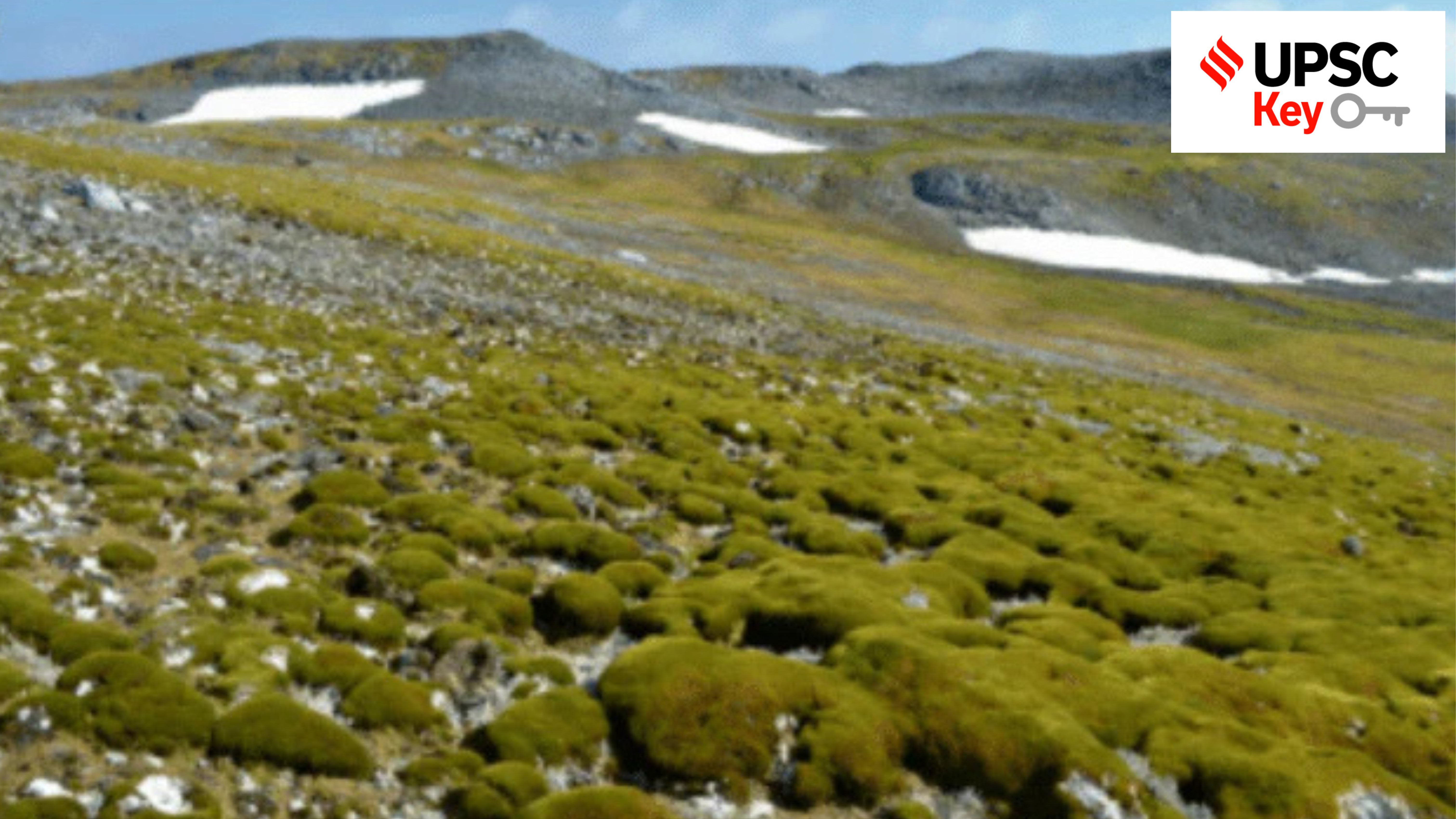
National Agriculture Code, Greening of Antarctic and Unlawful Activities (Prevention) Act

National Agriculture Code, Greening of Antarctic and Unlawful Activities (Prevention) Act

PM unveils 10-point plan to strengthen India-ASEAN relations Syllabus: Preliminary Examination: Current events of national and international importance. Mains Examination: General Studies II: Bilateral, regional and global groupings and agreements involving India and/or affecting India’s interests. What’s the ongoing story-Announcing a 10-point plan while underlining that dialogue and cooperation between India and ASEAN are of utmost importance at a time of conflict and tension in many parts of the world, Prime Minister Narendra Modi Thursday flagged “respect” for “each other’s national integrity and sovereignty” at the India-ASEAN leaders’ summit in Laos capital Vientiane. Key Points to Ponder- • Know about Association of Southeast Asian Nations (ASEAN) • Map Work-ASEAN Countries • India and ASEAN Summit 2024-what are the key takeaways • “I believe that the 21st century is the ‘Asian Century’, a century for India and ASEAN countries”- Interpret the remark within the context of the current conflict in West Asia. • In keeping with the theme of ‘Enhancing Connectivity and Resilience’, the Prime Minister announced a 10-point plan-know them in detail • What exactly the Joint …

INCOIS, NCPOR to launch a glider to study Antarctic ocean

A file photo of a glider deployed in INCOIS in Arabian Sea. | Photo Credit: Handle @ESSO_INCOIS on X Indian National Centre for Ocean Information Services (INCOIS) together with the National Centre for Polar and Ocean Research (NCPOR) will be launching a glider near the country’s research station ‘Bharati’ at Antarctica to study the sea temperatures, salinity and geochemical process in the ice cold region. What are gliders used in seas or oceans? Gliders are autonomous underwater vehicles operated remotely to study the sea or ocean temperatures, salinity and geochemical process. Director of Hyderabad-based INCOIS T. Srinivasa Kumar informed that the plan is to launch the glider sometime next year when the next Indian scientific research team embarks on the expedition to the cold continent. It is part of the new-age ocean observing platforms ‘Gliders’, as part of the Ministry of Earth Sciences (MoES) ‘Deep Ocean Mission – Ocean Climate Change Advisory Services’. The data generated from the gliders along with the information coming from the tide gauges, argo floats, buoys and other ocean observing …

What Scientists Discovered After 15 Years Of Research On Blue Whale Sound

This information will help researchers monitor blue whale populations. Scientists have completed a 15-year study on blue whales in the Antarctic, publishing their findings in a comprehensive sonic survey. Utilising passive acoustic devices called sonobuoys, researchers gathered nearly 3,900 hours of sound data, focusing on three distinct types of calls made by these elusive creatures. The study, led by marine mammal acoustician Brian Miller from the Australian Antarctic Programme, sheds light on the distribution and behaviour of Antarctic blue whales, which were once hunted to near extinction during industrial whaling. “This analysis represents the most contemporary circumpolar information on the distribution of these rarely sighted and elusive animals, which were hunted to the brink of extinction during industrial whaling,” says Brian Miller. “We can reliably listen for [these whales], sail to them and visually sight them, then photograph and follow them, and even take small biopsies of their skin and blubber for further study.” The analysis revealed three distinct calls, including the Z-call made exclusively by males, the Unit-A call unique to this region, and …