

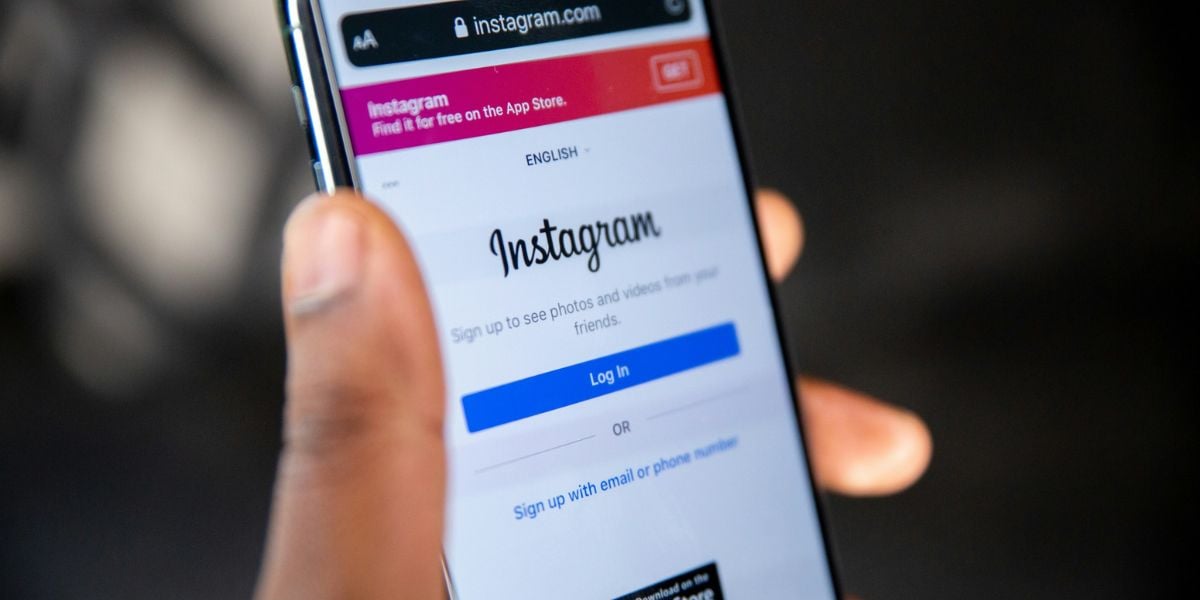
The UK is weighing an under-16 social media ban that would reach beyond apps like TikTok and Instagram into gaming features and AI companions.
If the rules take effect in spring 2027 as the government expects, affected companies may need to prepare stronger age checks, change teen defaults, and decide which features younger users can still access.
In a June 15 government announcement, the UK said the ban would apply to user-to-user platforms whose main purpose is social interaction, posting, and algorithmic content recommendation. The named platforms include Snapchat, TikTok, YouTube, Instagram, Facebook, and X.
Messaging services such as WhatsApp and Signal are not intended to be included. The government also said there would be narrowly defined exemptions for services such as educational platforms, e-commerce sites, and music streaming.
What the plan would cover
The UK is using Australia’s social media age-ban model as a starting point, but Prime Minister Keir Starmer’s proposal goes further. The Guardian described it as “Australia plus,” with restrictions that extend beyond standard social apps to some features on gaming and online communication services.
Australia’s under-16 ban has already moved from policy into enforcement. Meta has removed hundreds of thousands of Australian teen accounts under that country’s rules.
The UK plan would also block harmful features such as livestreaming and communication with strangers for under-16s across a wider range of online services, including gaming sites. Those protections would be turned on by default for 16- and 17-year-olds as well, so users do not lose those safeguards immediately when they turn 16.
AI products are also included in the proposal. Romantic companion chatbots designed to simulate sexual relationships or roleplay would have to enforce a minimum age of 18. Intimate features on broader AI chatbots would also be restricted for under-18s.
That widens the practical impact. Consumer AI developers, gaming platforms, livestreaming services, and apps with algorithmic feeds may need to review which features minors can use, which parts of the product require stronger age gates, and which defaults would need to change for UK users.
What platforms still need to know
The main open question is how platforms would prove a user is old enough. The government said it plans to use “highly effective age assurance,” but the technical standard has not been set.
Ofcom will conduct a rapid study into what constitutes effective age assurance for verifying whether a user is over 16. Technology Secretary Liz Kendall has also asked Ofcom’s new chair for an urgent review of the regulator’s enforcement capabilities and a clear enforcement strategy.
The Guardian reported that existing age-assurance methods can include facial age estimation, bank information, email-based age estimation, and digital IDs. For platforms, this creates a practical trade-off: weak checks may fail the coming standard, while stronger checks can raise privacy, security, and user trust concerns.
Europe is already moving in the same direction. The EU has declared a digital age verification app ready for deployment, and TikTok is rolling out stronger age checks across the EU. The UK proposal adds another major market where age assurance could become a platform requirement rather than a policy preference.
Social media companies are pushing back. The Guardian reported that Meta, YouTube, and Snapchat warned the ban could drive teenagers toward less regulated services. Starmer acknowledged that some users may try to bypass the rules, but argued that enforcement difficulties are not grounds for abandoning the policy.
For companies, Ofcom’s study will set the next practical marker. Its findings will determine whether existing age-gating tools are enough or whether platforms need deeper identity, privacy, and product-design changes before any spring 2027 rules take effect.
Also read: AI toys reach children before privacy and safety rules catch up.
Disclaimer: We do not own any of the content, ideas, images, or text presented here. All rights belong to their respective owners. For more information and to view the original source, please visit the following link: