
All posts tagged: business firewall

5 Signs You Need a Virtual Firewall to Secure Your Cloud

5 Signs You Need a Virtual Firewall to Secure Your Cloud

As businesses increasingly shift to cloud-based and virtualized environments, traditional network security approaches — particularly firewalls — are falling short. Virtual firewalls, purpose-built for environments like public and private clouds or Software-Defined Wide Area Networks (SD-WAN), have emerged as a critical solution. Their ability to scale dynamically and integrate deeply with virtual infrastructure enables security tailored to the demands of modern, distributed networks. Unlike hardware firewalls, virtual firewalls excel in protecting east-west traffic within virtual networks, safeguarding sensitive data, and enforcing precise policies in multi-tenant environments. They offer an agile, cost-effective approach to cybersecurity, making them indispensable for securing complex, cloud-native architectures while adapting to the ever-evolving cybersecurity landscape. 1 CloudTalk Employees per Company Size Micro (0-49), Small (50-249), Medium (250-999), Large (1,000-4,999), Enterprise (5,000+) Any Company Size Any Company Size Features 24/7 Customer Support, Call Management/Monitoring, Contact Center, and more Virtual firewall vs physical appliance Physical firewalls are hardware-based devices positioned at the network’s edge. A virtual firewall is software-based and operates in virtualized environments, such as cloud infrastructures, VPN or SD-WAN. Unlike traditional …
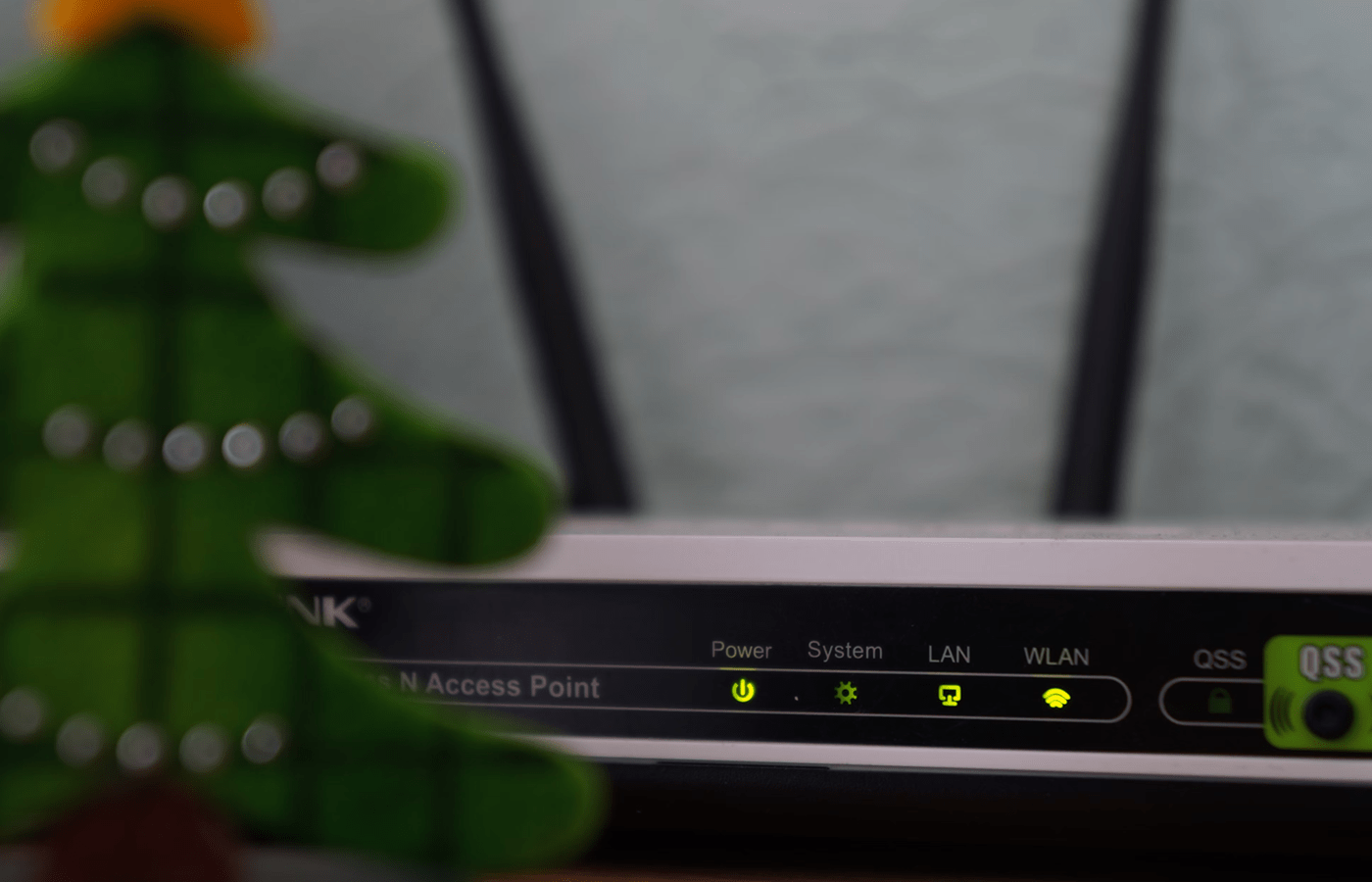

Why Router vs Firewall Really Only Matters at Work

Why Router vs Firewall Really Only Matters at Work

Routers and firewalls are network security devices, sometimes grouped into business and home network packages or sold separately as dedicated hardware. Though the two are closely linked, routers and firewalls are very different devices. Router: Exchanges data between networks or gateways. Firewall: Blocks traffic from protected networks. Put simply, routers connect networks and move data efficiently, while firewalls protect networks by controlling and securing the flow of data. For home networks, most people already have a router with a built-in firewall. Under normal circumstances, they don’t need to get an extra firewall to keep their network safe. Businesses, on the other hand, typically have more than one router and benefit from having a discrete firewall device or application. Thoughtful deployment of both elements is an important part of securing a business network. 1 CloudTalk Employees per Company Size Micro (0-49), Small (50-249), Medium (250-999), Large (1,000-4,999), Enterprise (5,000+) Any Company Size Any Company Size Features 24/7 Customer Support, Call Management/Monitoring, Contact Center, and more Key differences between routers and firewalls Here is a quick breakdown …

What Is a Host Based Firewall and Is it Secure Enough?

What Is a Host Based Firewall and Is it Secure Enough?

A host-based firewall is installed and run on a single device, like a laptop, cell phone, or server. These firewalls are tailored to individual devices so they can monitor and control its specific traffic — as opposed to network-based firewalls, which protect an entire network of devices. Most consumer devices come with host-based firewalls pre-installed. If you use an HP laptop or an iPhone, you’re already protected by host-based firewalls. Microsoft and Apple provide their own versions of these firewalls and frequently update them to address new cybersecurity threats and vulnerabilities. Aside from your personal phone and computer, host-based firewalls also play a critical role when it comes to business cybersecurity. Host-based firewalls play a vital role in securing individual endpoints. This level of protection is critical as business networks increasingly accommodate remote workers and cloud applications. I’ll start with the consumer end of host-based firewalls, and then we’ll cover what businesses need to know about this incredibly important network security tool. 1 CloudTalk Employees per Company Size Micro (0-49), Small (50-249), Medium (250-999), Large …

5 Reasons to Use a Stateless Firewall (+3 Key Downsides)

5 Reasons to Use a Stateless Firewall (+3 Key Downsides)

In networking, “state” refers to the context or session data of a current network connection. A stateful firewall, therefore, keeps track of the state of each connection passing through it, while a stateless firewall does not. Although they may sound less restrictive, stateless firewalls are incredibly useful for securing home and business networks. They use ACLs (Access Control Lists) to determine which traffic to allow through and which traffic to block. Of course, not tracking the state of network connections means that stateless firewalls can’t tell you as much about the traffic on your network as stateful firewalls. The benefits of stateless firewalls come with tradeoffs. Businesses often balance these trade-offs by using both types in tandem, with stateless firewalls handling bulk traffic filtering at the perimeter and stateful firewalls offering deeper inspection behind them. By the end of this post, you’ll know when stateless firewalls work really well, and when another solution might work much better. 1 CloudTalk Employees per Company Size Micro (0-49), Small (50-249), Medium (250-999), Large (1,000-4,999), Enterprise (5,000+) Any Company …

The 6 Tradeoffs Between a Stateful vs Stateless Firewall

The 6 Tradeoffs Between a Stateful vs Stateless Firewall

A stateful firewall keeps track of the state of network connections. A stateless firewall does not. Although the difference between a stateful vs stateless firewall is relatively simple, picking one may not be as straightforward. The state of a network connection refers to its status, whether a connection is being established, actively transferring data, or closing. Stateful firewalls keep track of this context, monitoring the entire flow of communication — where packets are coming from, where they are going, and what type of traffic is being relayed. Stateless firewalls ignore this context — they treat each packet as independent, and have no knowledge of prior packets. These fundamental differences make stateful firewalls appropriate in some situations and stateless firewalls better in others. 1 CloudTalk Employees per Company Size Micro (0-49), Small (50-249), Medium (250-999), Large (1,000-4,999), Enterprise (5,000+) Any Company Size Any Company Size Features 24/7 Customer Support, Call Management/Monitoring, Contact Center, and more When use a stateful vs stateless firewall Stateful firewalls are necessary in dynamic, complex environments where tracking the state of connections …

5 Reasons a Stateful Firewall Is a Must-Have for Business

5 Reasons a Stateful Firewall Is a Must-Have for Business

A stateful firewall is capable of tracking the state of active connections between devices on the network. It logs when devices are requesting data, sending data, or closing the connection. With this context, a stateful firewall knows whether incoming data is part of an established, legitimate session or if it’s an unsolicited request that needs to be blocked. This allows the firewall to make decisions about which traffic to allow or deny based on the flow of the communication, rather than just matching packets to predefined rules. This added intelligence gives businesses a more adaptive, dynamic defense against evolving threats and technical glitches. Now, let’s take a closer look at the key reasons why businesses benefit from using a stateful firewall. 1 CloudTalk Employees per Company Size Micro (0-49), Small (50-249), Medium (250-999), Large (1,000-4,999), Enterprise (5,000+) Any Company Size Any Company Size Features 24/7 Customer Support, Call Management/Monitoring, Contact Center, and more 1. Stateful firewalls provide critical data Unlike stateless firewalls, which only inspect individual packets in isolation, stateful firewalls track the entire lifecycle …