
All posts tagged: cardiovascular disease

Stronger chest, back muscles linked to lower heart attack risk, AI study finds | Technology News

Stronger chest, back muscles linked to lower heart attack risk, AI study finds | Technology News

4 min readJul 4, 2026 08:36 AM IST People with stronger, denser chest and back muscles may be significantly less likely to suffer a heart attack or die prematurely, according to a new study that used artificial intelligence (AI) to analyse routine heart scans. Researchers from the University of Edinburgh found that the quality of skeletal muscles, not their size, was closely linked to long-term cardiovascular health. The findings, published in the journal Radiology, suggest that muscle composition could become a new marker for identifying people at higher risk of heart disease. The research analysed chest scans from 1,722 patients, most of whom were in their 50s and had undergone coronary CT angiography after experiencing chest pain. Using AI, researchers measured muscles, fat, bones and organs in the upper body, focusing particularly on muscles in the chest and back. Muscle quality matters more than muscle size Instead of measuring muscle mass alone, the researchers examined skeletal muscle attenuation, which reflects muscle density. Denser muscle appears brighter on CT scans because it absorbs more X-Rays and …

Gynaecologist explains why women develop liver fat faster after 45: ‘Insulin resistance increases…’

Gynaecologist explains why women develop liver fat faster after 45: ‘Insulin resistance increases…’

When women reach menopause, a major physical and hormonal shift occurs as estrogen levels drop. Consequently, many health risks may also increase because of the hormonal change, making it important to be cautious. Several organs and body systems are affected, and one of them is the liver. ALSO READ: Gastroenterologist shares 3 everyday habits that could be silently harming liver: ‘If you are drinking alcohol every…’ Women after 45 are at high risk of getting fatty liver. (Adobe Stock) HT Lifestyle connected with Dr Kanaga Lakshmi K, senior consultant – obstetrics and gynaecology at MGM Malar in Chennai, who revealed that women tend to gain liver fat faster after menopause, typically after the age of 45. Why does liver fat increase after 45? “After 45, many women enter perimenopause or menopause, where estrogen levels decline significantly. So, estrogen plays a very crucial protective role in how fat is distributed and metabolised,” she explained. It shows how influential estrogen is in a woman’s body, going beyond the reproductive system and managing fat distribution, too. The gynaecologist …

Obesity no longer a lifestyle disease: Why WHO’s new weight loss drug guidelines are a turning point | Health and Wellness News

Obesity no longer a lifestyle disease: Why WHO’s new weight loss drug guidelines are a turning point | Health and Wellness News

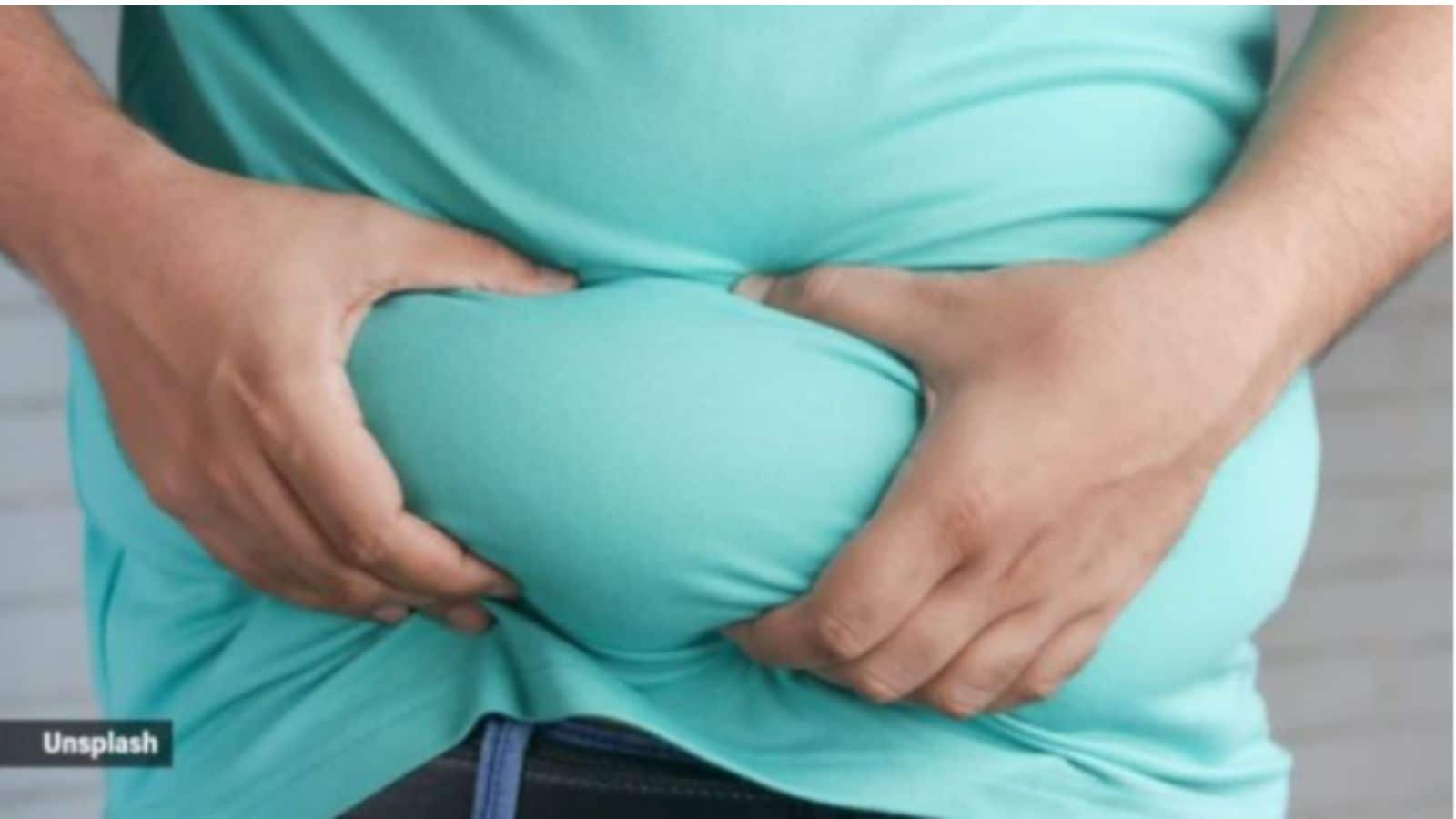
With weight-loss drugs like semaglutide and tirzepatide taking the world by the storm — the World Health Organisation (WHO) has, for the first time, released guidelines on using these therapies for the treatment of obesity — defined as a chronic, relapsing disease. While weight-loss has been treated as a cosmetic issue for years, the entry of these effective medicines has created a shift towards recognising obesity as a medical condition, which needs to be treated and managed to reduce risk of other chronic conditions like diabetes and heart diseases. Earlier this year, the inter-government agency had included these drugs in their list of essential medicines — a list that forms the basis for many country’s health systems ensuring access to them, government procurements, and medical reimbursements. What are good practices and recommendations in the guidelines? First, the therapies may be used for the treatment of obesity in all adults, except pregnant women, for long-term — meaning six months or more. This recommendation, however, remains conditional. This is because of limited data on the health impact …

Using the same toothbrush? Dentist reveals how often you need to change it to avoid diabetes or heart disease risks

Using the same toothbrush? Dentist reveals how often you need to change it to avoid diabetes or heart disease risks

Are you being sloppy with your toothbrush use? Reusing the same old toothbrush or casually borrowing a friend’s when you crash at their place. If you are taking your toothbrush too lightly, then you risk opening the door to health problems, beyond oral problems like cavities or gum pain, to bigger diseases like cardiovascular issues and diabetes. A toothbrush is the first defence against many germs and bacteria. (Picture credit: Unsplash) ALSO READ: Should you floss before or after brushing? Dentist shares what your ideal oral care routine should be To understand more about why toothbrush’s role in preventing health issues, HT Lifestyle reached out to Lt. Gen. (Retd.) Dr Vimal Arora, Chief Clinical Officer of Clove Dental. He revealed that a toothbrush is your first line of defence against many diseases and infections. Describing how a toothbrush protects your health, he elaborated, “When one brushes, they are interrupting a biological chain reaction from germs that could travel silently from your mouth to your heart, and even affect how your body manages sugar.” This simple …