All posts tagged: Cardiovascular

Cardiovascular surgeon shares 3 aspects of heart surgery that still amaze him after 25 years: ‘The heart restarts on…’

Cardiovascular surgeon shares 3 aspects of heart surgery that still amaze him after 25 years: ‘The heart restarts on…’

Heart surgery is often seen as one of the most complex and high-stakes procedures in modern medicine. Yet, behind the precision, technology and years of surgical training lies something equally remarkable – the extraordinary resilience of the human body. From hearts restarting on their own to organs recovering after extreme conditions in the operating room, the body can perform astonishing feats that continue to fascinate even surgeons who have spent decades performing these procedures. Read more to find out three fascinating facts about heart surgery! (Unsplash) Also Read | Heart surgeon with 25 years of experience ranks health dangers on a scale of 1 to 10: From seed oils to shift work Dr Jeremy London, a board-certified cardiothoracic surgeon with 25 years of experience, has shared three aspects of heart surgery that continue to amaze him even after decades in the operating room. In an Instagram video shared on March 13, the surgeon explains that despite his years of clinical experience, certain elements of heart surgery remain truly fascinating and remarkable. The heart stops during …

Cardiovascular surgeon with 25 years experience says even ‘30 minutes’ of intense exercise a week can protect your brain

Cardiovascular surgeon with 25 years experience says even ‘30 minutes’ of intense exercise a week can protect your brain

Your heart works tirelessly every single day, but are you doing enough to protect it? Dr Jeremy London, US board-certified cardiovascular surgeon with more than 25 years of experience, shares in his March 4 Instagram post how regular exercise can significantly lower your risk of heart disease, improve circulation, strengthen cardiac muscles, and boost overall longevity. Here’s why moving your body might be the simplest prescription for a healthier heart. (Also read: Pediatric cardiologist explains how too much salt and sugar in kids’ diets raises future heart disease risk ) Dr Jeremy London explains that engaging in daily exercise can protect both heart and brain health. (Freepik) How much exercise do you really need “Exercise may be the most important tool you have to protect your brain,” says Dr Jeremy. “When we think of cardio training, we usually think about strengthening the heart, but it may be even more important for protecting your brain.” According to Dr London, large studies have shown that regular exercise can decrease the risk of Alzheimer’s disease and dementia by …

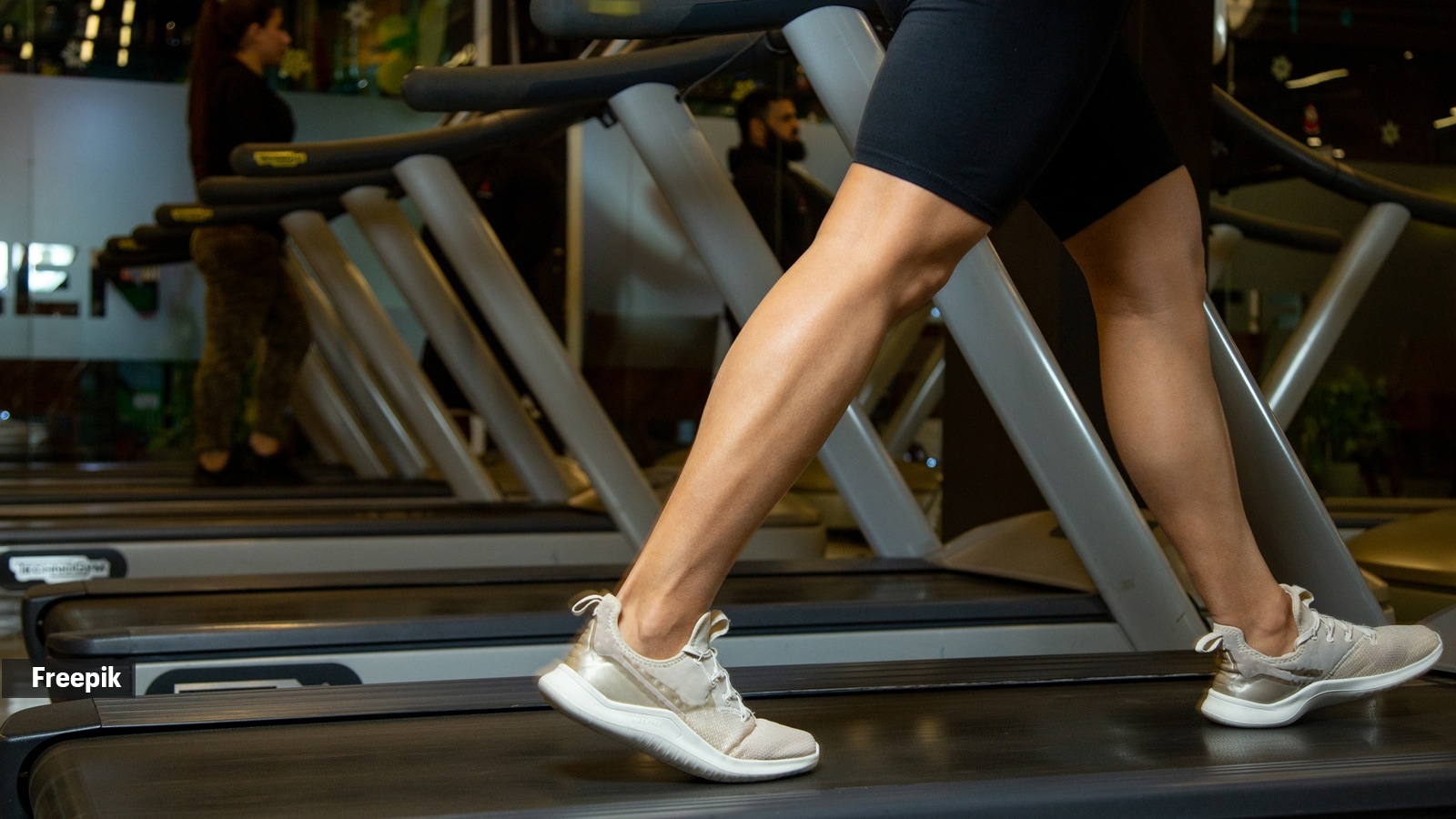
Cardiovascular research scientist suggests setting the treadmill ‘at 10-12% incline’ and ‘walk 2-4 mph’ for 30-60 minutes, 3 days per week for fat loss; we verify | Fitness News

Cardiovascular research scientist suggests setting the treadmill ‘at 10-12% incline’ and ‘walk 2-4 mph’ for 30-60 minutes, 3 days per week for fat loss; we verify | Fitness News

3 min readNew DelhiFeb 4, 2026 02:58 PM IST When it comes to fat loss, most people think of running or high-intensity workouts. But James DiNicolantonio, a cardiovascular research scientist, has suggested that walking with the right settings might be one of the most effective, sustainable ways to shed fat.  Instead of sprinting on the treadmill, the key may lie in adjusting the incline and speed for steady, controlled movement that engages the right muscle groups and burns more calories. According to the doctor’s advice, setting the treadmill “at 10-12% incline” and walking at “2-4 mph” for 30-60 minutes, three times per week, can help accelerate fat loss.  Walking at an incline increases the intensity of the workout, but it is also a more accessible option for many people. However, how effective this approach is, and who should be trying it, depends on several factors such as fitness levels, age, and any underlying health conditions. To better understand whether this fat loss method is as effective as it sounds, we asked an expert to share …