Section 163 imposed in parts of New Delhi ahead of CJP’s Parliament march: What it means and what’s prohibited?
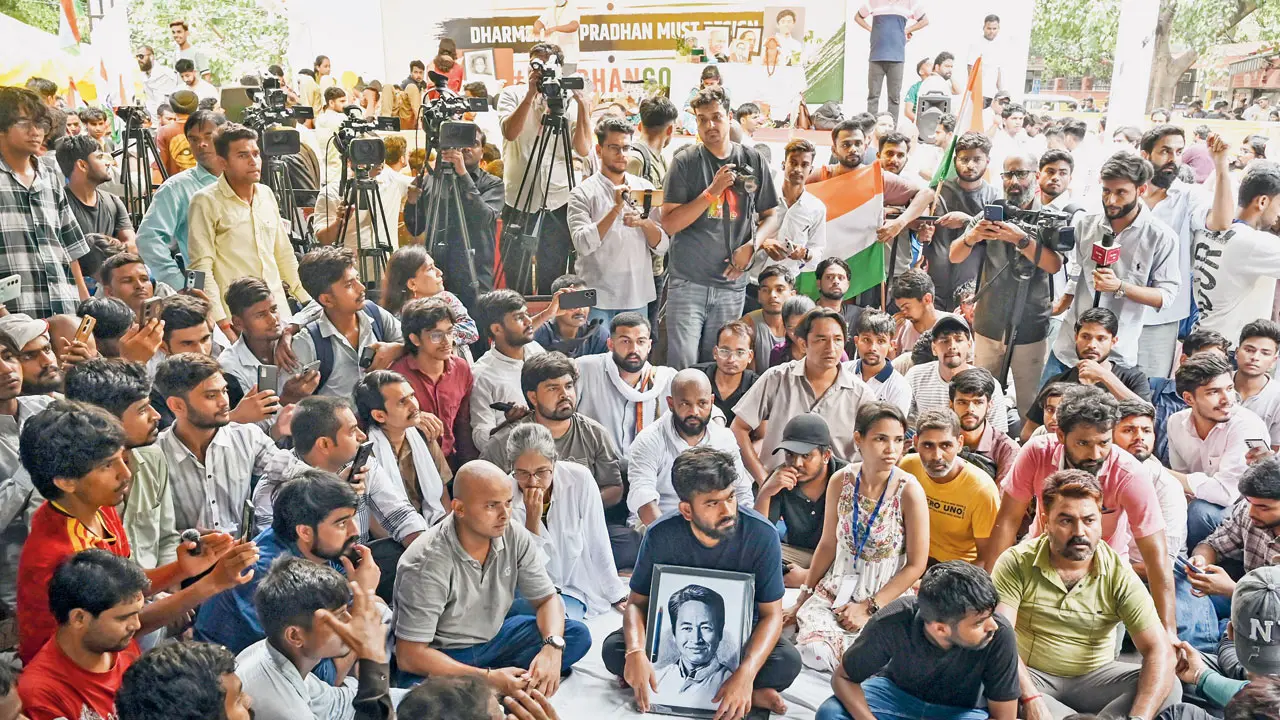
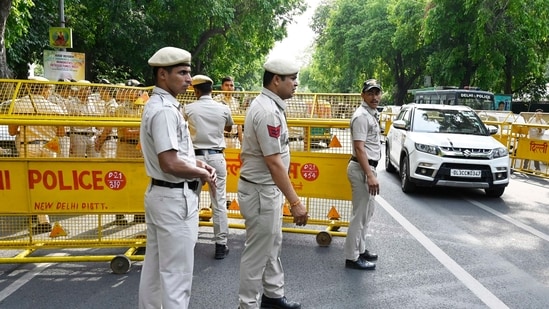
Security has been tightened across the New Delhi district ahead of the Monsoon session of Parliament and the Cockroach Janta Party’s (CJP) proposed ‘Chalo Sansad’ march on Monday, July 20, with the Delhi Police imposing prohibitory orders under Section 163 of the BNSS. CJP Parliament March: Adequate arrangements have been made to respond to any law-and-order situation. (Hindustan Times) The heightened security comes after the CJP announced the march to protest alleged irregularities in the NEET examination and demand the resignation of Union education minister Dharmendra Pradhan. Also read | Delhi Police ‘won’t allow’ CJP’s Parliament march on July 20, calls it ‘illegal’ Why were the restrictions imposed? Deputy Commissioner of Police (DCP) Sachin Sharma issued a public advisory on X on Sunday, stating that the “Delhi Police categorically clarifies that no permission has been sought or granted for any such protest march/procession.” “Accordingly, protest marches, processions, demonstrations and assemblies of five or more persons are strictly prohibited, except at the designated protest site at Jantar Mantar, with prior permission,” the Delhi Police said in …