

New Study Finds Hercules-Corona Borealis Great Wall Bigger and Nearer Than Thought
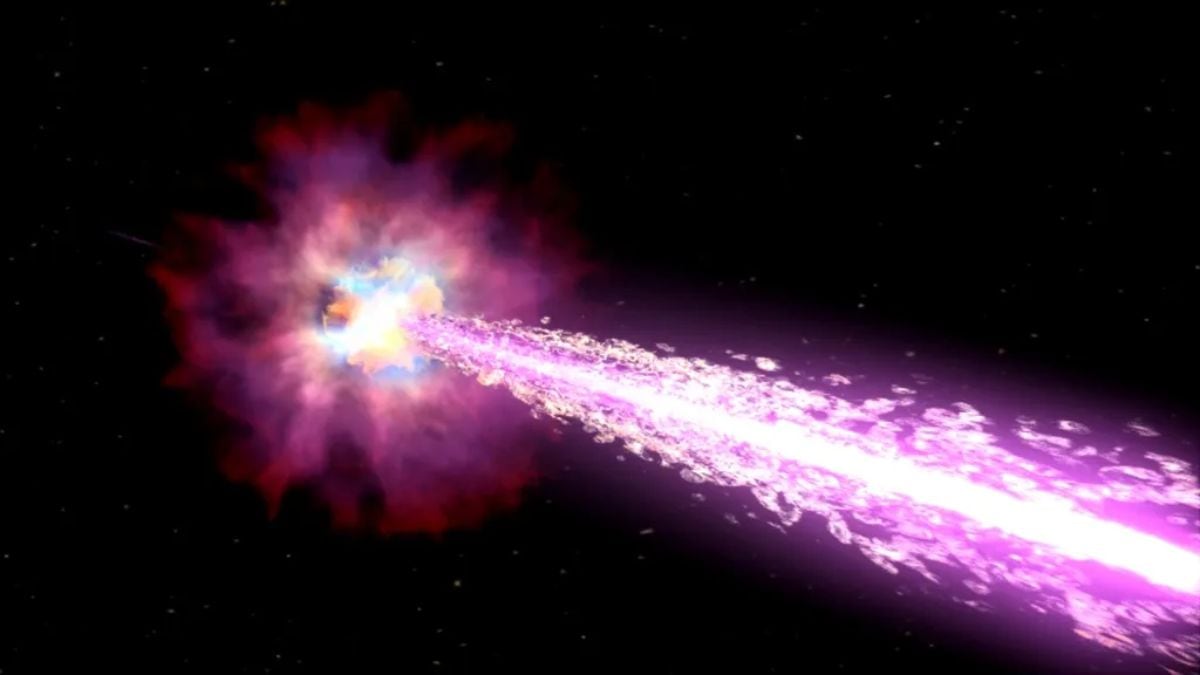
Astronomers have revealed that the Hercules-Corona Borealis Great Wall, a massive network of galaxies, might be bigger than they realised. By mapping the cosmos with gamma-ray bursts (GRBs)—the brightest explosions in the universe—astronomers found that this structure is even bigger than previously estimated. Surprisingly, portions of it also lie significantly closer to Earth than previously believed, challenging fundamental assumptions about how the universe is structured and evolves.This cosmic structure was first observed in 2014 — a dense galaxy forming a filament of a supercluster. A new study now extends the researchers’ previous work, but with a wider GRB sample. Hakkila and Zsolt Bagoly, authors of the study, have refined the measurements. They detected a number of relatively nearby GRBs in their sample. The evidence also shows the Great Wall is larger and wider than previously predicted. Gamma-Ray Bursts Expose Structure Too Large for Current Models According to a Space.com report, the GRBs figure prominently in the early discovery and more recent growth of the Hercules–Corona Borealis Great Wall. These explosive outbursts — from either collapsing massive stars or colliding …
