Will biggest be the best? How 48-team draw changes dynamics of the FIFA World Cup
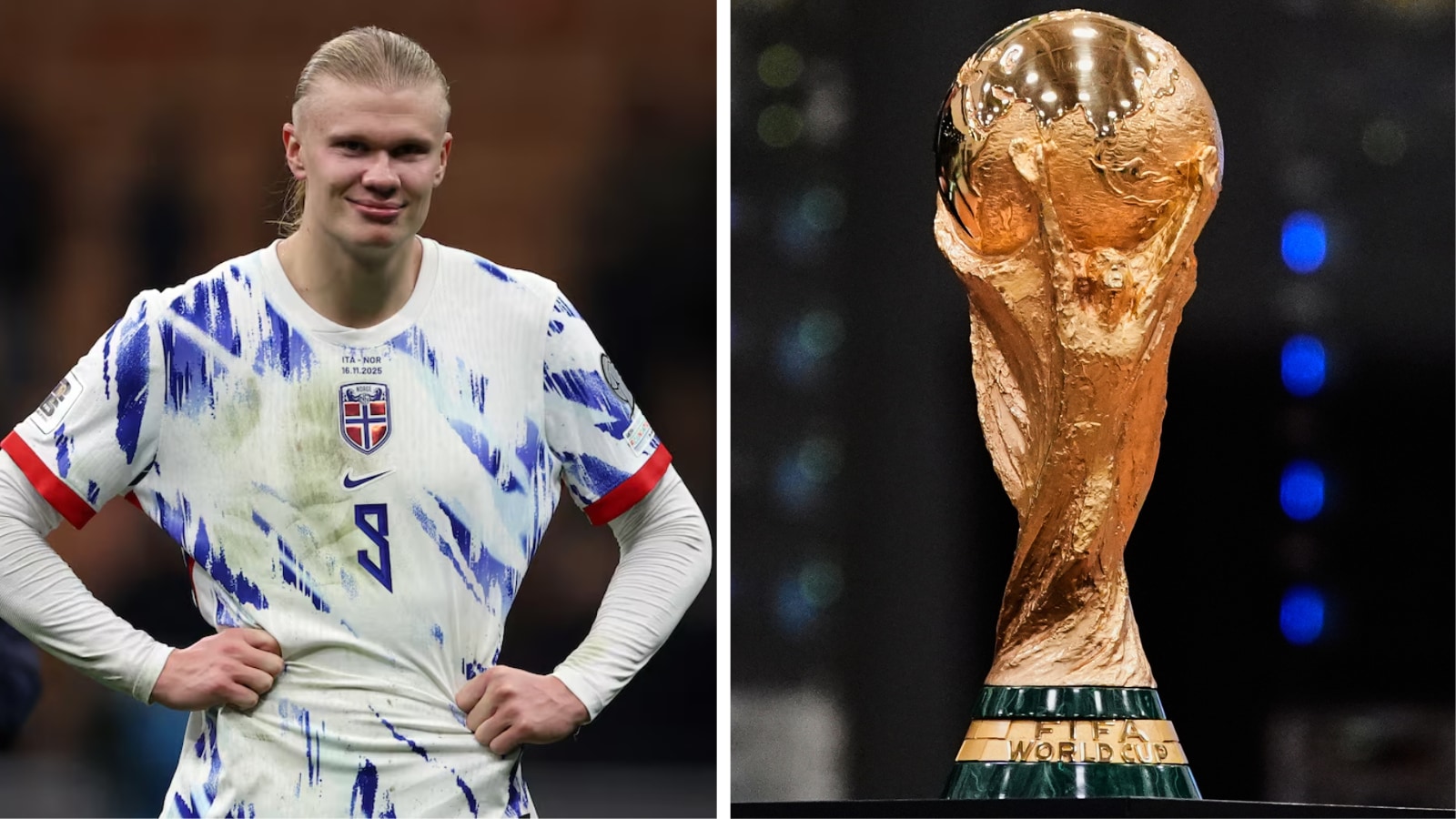
4 min readUpdated: Jun 3, 2026 09:40 AM IST Here’s a sentence that might not have been possible in a 32-team World Cup: Norwegian striker Erling Haaland lines up against Iraq at Boston’s Gillette Stadium for their group opener. The presence of one of the best strikers in the contemporary game will be new, and so will be the Asian team he goes up against. For long, the FIFA World Cup has excluded some of the game’s greatest players and elbowed out teams that didn’t have the required strength in depth. Players like George Weah, Ryan Giggs and George Best were never part of the biggest show on the planet because Liberia, Wales and Northern Ireland never qualified for the World Cup during their time. But a 48-team World Cup’s most convincing argument is its inclusivity. ALSO READ | FIFA’s Gianni Infantino, Trump’s favourite sport administrator The biggest beneficiaries Ten teams from Africa and nine from Asia – two continents that have never produced a World Cup winner now get to share the stage with …