All posts tagged: energy security India

Key Takeaways on Ukraine, Iran, Migration and India

Key Takeaways on Ukraine, Iran, Migration and India

From June 15 to 17, world leaders came together in France for the G7 (Group of Seven) meeting amid rising geopolitical tensions and economic instability. The meeting focused on the Russia-Ukraine war, the tensions in West Asia, artificial intelligence (AI) and global trade disruptions.  The G7, an informal forum of leading industrialised nations, comprises Canada, France, Germany, Italy, Japan, the UK and the US. Ukrainian President Volodymyr Zelenskyy’s presence at the 52nd edition of the summit drew global attention, amid renewed efforts to bring a resolution to the Russia-Ukraine war, now in its fifth year.  India also participated in the event, with Prime Minister Narendra Modi flagging concerns over the safety of Indian seafarers in the Strait of Hormuz, after attacks on commercial ships by the US Navy killed three Indians. Following three days of discussions, the G7 leaders released statements on major topics such as human trafficking, geopolitical issues and rebuilding international partnerships.  Here’s a look at what G7 brings for the world, what it means for India, and the developments to watch going …
US-Iran peace agreement: Energy worries far from over, India keeps fingers crossed | Explained News

US-Iran peace agreement: Energy worries far from over, India keeps fingers crossed | Explained News

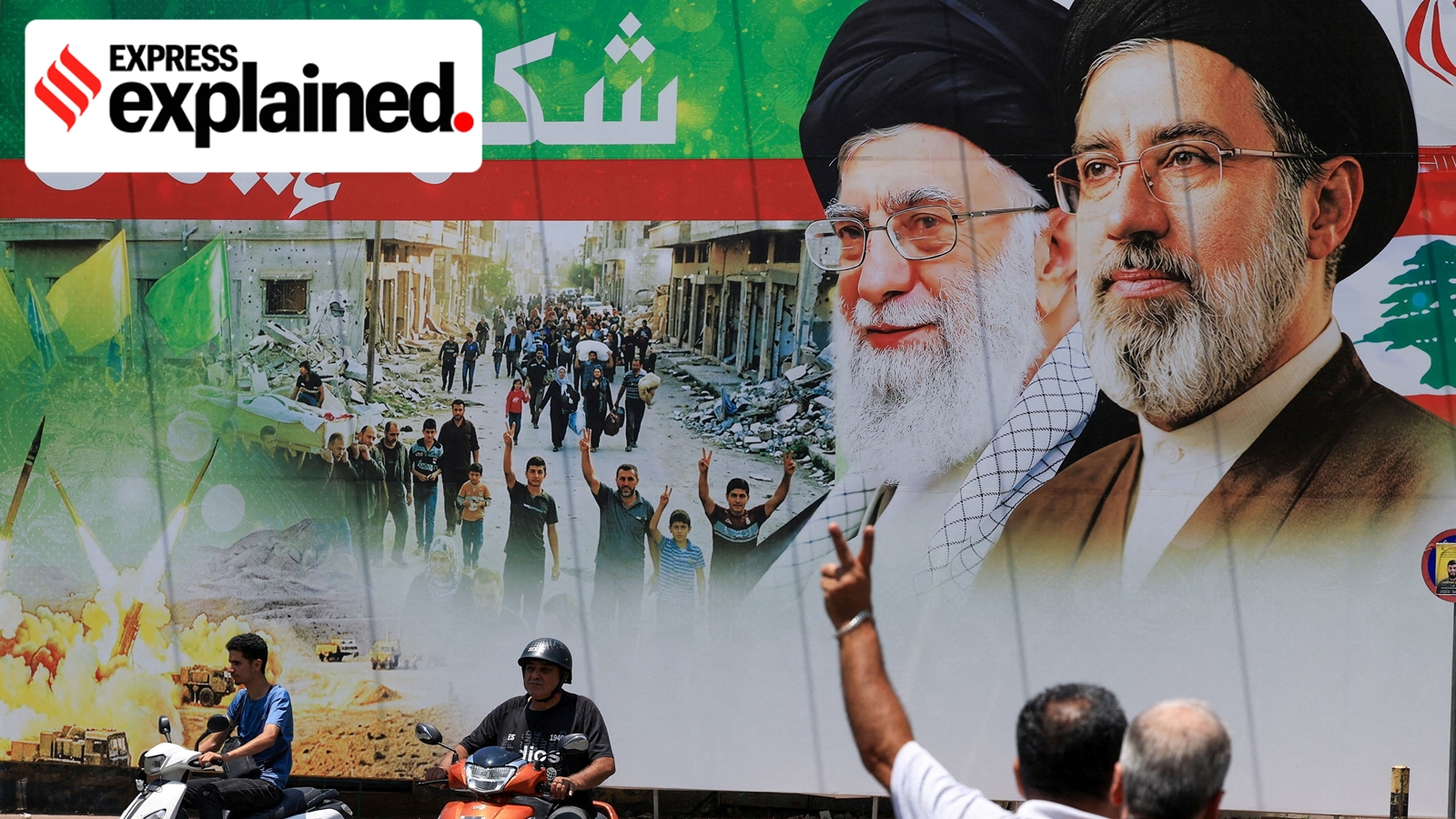
This is the closest the two countries have come to a deal since the West Asia war began in late February, raising hopes of a pick-up in maritime traffic through the Strait of Hormuz. But energy and shipping experts, though optimistic, are approaching the development with considerable caution. India, which depends heavily on West Asian imports to meet its oil, natural gas, and liquefied petroleum gas (LPG) needs, is watching the developments closely. Government sources said they hoped the deal would ease energy flows from the region, but are not fully convinced yet. Oil and gas sector insiders are similarly optimistic about the prospect of Iranian oil and gas returning to international markets as part of the agreement, but remain wary of counting on it. The key concern is most of the deal’s terms are still unknown. It remains to be seen how the agreement — if signed — will play out in the fraught waters of the strait, which used to carry a fifth of global oil and liquefied natural gas (LNG) flows before …

Nitin Gadkari approves 100 per cent ethanol fuel to reduce India’s oil imports

Nitin Gadkari approves 100 per cent ethanol fuel to reduce India’s oil imports

Union Road Transport and Highways Minister Nitin Gadkari on Saturday announced that the government has approved the use of 100 per cent ethanol as fuel, a move aimed at reducing India’s dependence on imported fossil fuels and accelerating the transition towards cleaner and alternative energy sources. The minister made the announcement during a press conference in Nagpur while highlighting key achievements of the National Democratic Alliance (NDA) government over the past 12 years. Disclaimer: We do not own any of the content, ideas, images, or text presented here. All rights belong to their respective owners. For more information and to view the original source, please visit the following link: Source link

Citi CEO Jane Fraser meets PM Modi, backs India’s long-term growth story

Citi CEO Jane Fraser meets PM Modi, backs India’s long-term growth story

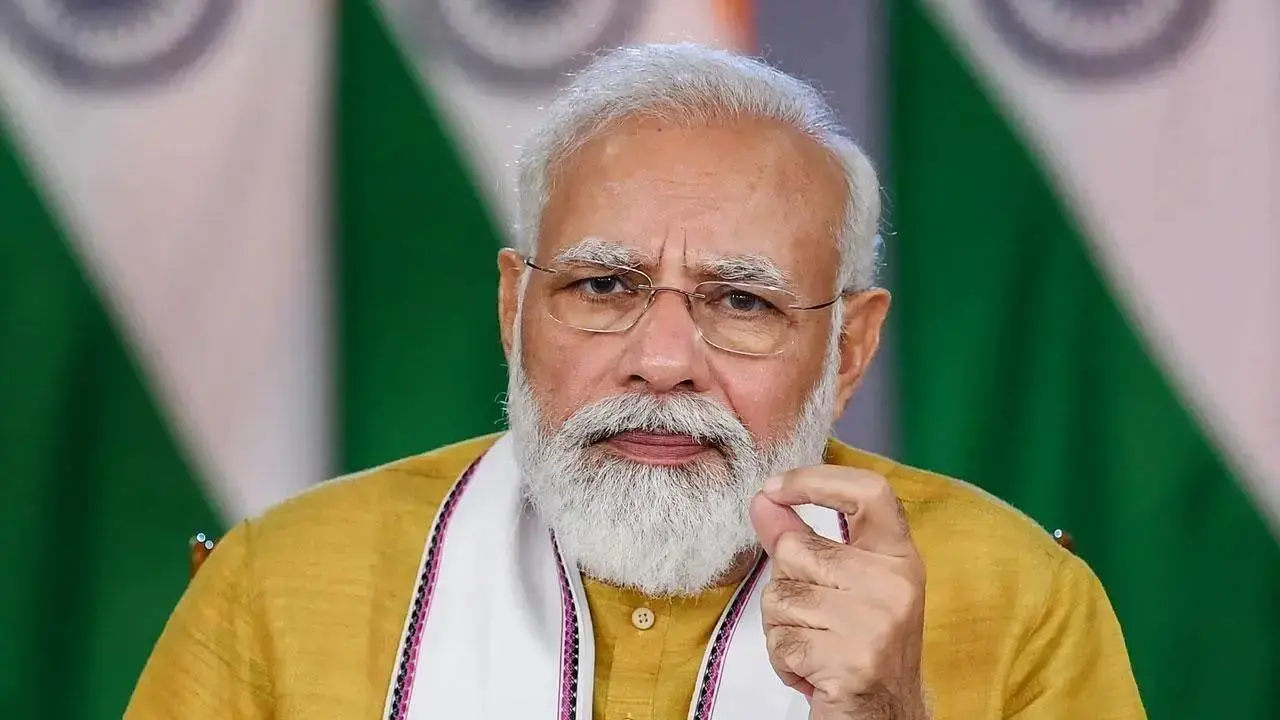
Prime Minister Narendra Modi met Jane Fraser, Chair and Chief Executive Officer of Citigroup, during her visit to India, with discussions focusing on investment, economic growth, artificial intelligence, green energy and the expansion of Indian businesses into global markets. According to a statement issued by Citi, the meeting centred on ways to support India’s long-term economic priorities and strengthen collaboration between global financial institutions and the country’s growing economy. Disclaimer: We do not own any of the content, ideas, images, or text presented here. All rights belong to their respective owners. For more information and to view the original source, please visit the following link: Source link

Strait of Hormuz closure halts traffic, global oil prices rise

Strait of Hormuz closure halts traffic, global oil prices rise

Traffic through the Strait of Hormuz has come to a standstill after Iran seized two ships, including one bound for Kandla port in Gujarat, which has increased uncertainty over the movement of oil and gas as 20 per cent of the world’s energy exports transit through the waterway.  Disclaimer: We do not own any of the content, ideas, images, or text presented here. All rights belong to their respective owners. For more information and to view the original source, please visit the following link: Source link

Why India is Refusing 2 Million Barrels of ‘Unannounced’ Iranian Oil

Why India is Refusing 2 Million Barrels of ‘Unannounced’ Iranian Oil

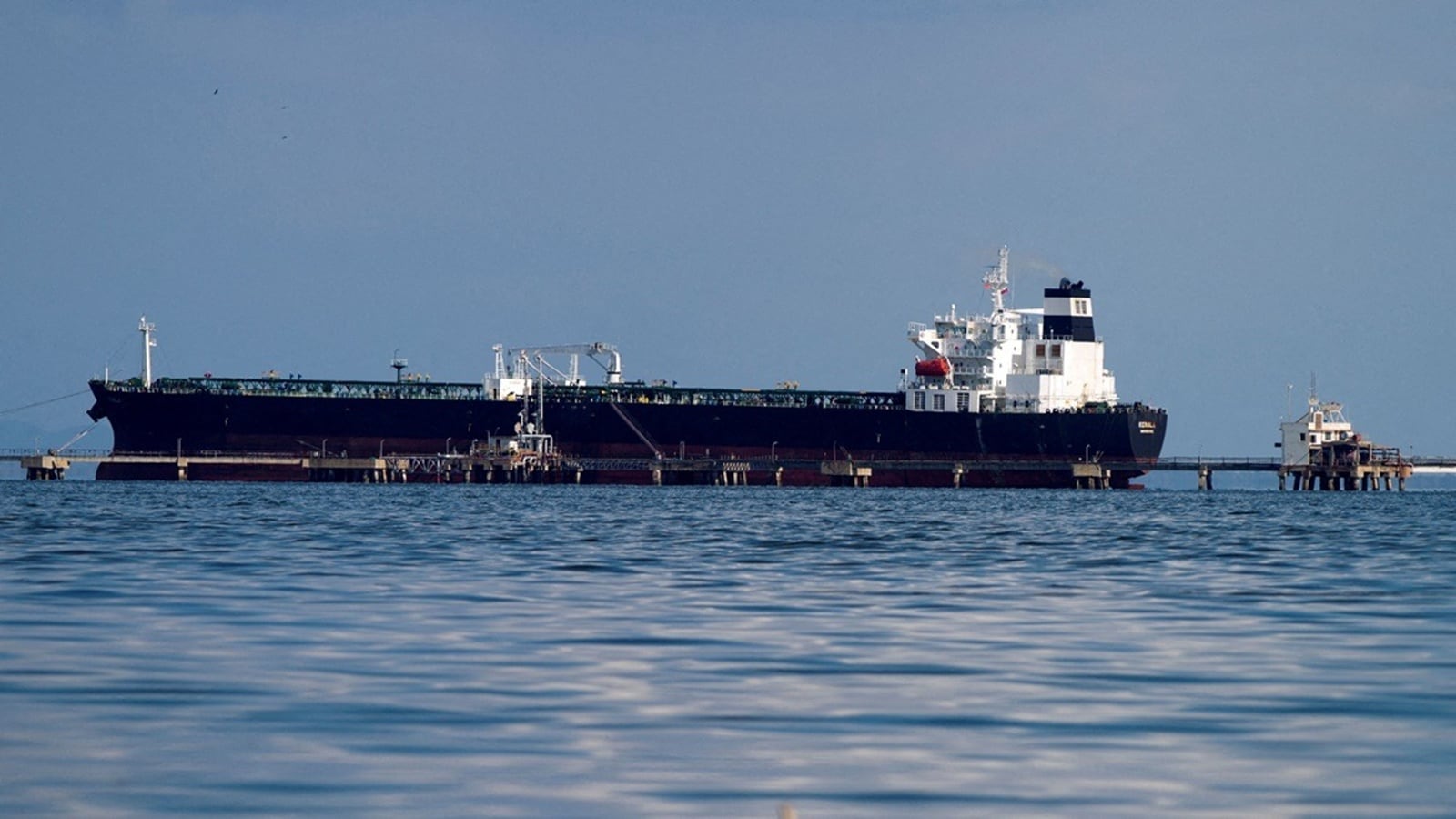
5 min readNew DelhiUpdated: Apr 15, 2026 03:40 PM IST In a curious development amid the US blockade of Iran’s ports, an Iranian oil tanker estimated to be laden with about 2 million barrels of Iranian crude arrived unannounced close to Gujarat on Tuesday without a declared destination or buyer, according to ship tracking data and industry watchers. While India has bought some Iranian barrels in view of the sanctions waiver issued by the US last month allowing sale of Tehran’s oil that was already loaded on tankers, Indian refiners are unlikely to pick up oil on this tanker. That is because the tanker was likely loaded after the US waiver’s cut-off date, sources indicated. The tanker–very large crude carrier (VLCC) Derya–arrived in waters off Gujarat on Tuesday; it was likely loaded with Iranian oil on March 28, according to vessel tracking data from commodity market analytics form Kpler. The US sanctions waiver for Iranian oil allowed for purchase of Iranian oil that was already loaded on tankers before March 20. Since Derya was likely …

US, Australia, Africa, Russia For LNG: Is India Mulling Long-Term Strategy To Cut Gulf Dependence? | India News

US, Australia, Africa, Russia For LNG: Is India Mulling Long-Term Strategy To Cut Gulf Dependence? | India News

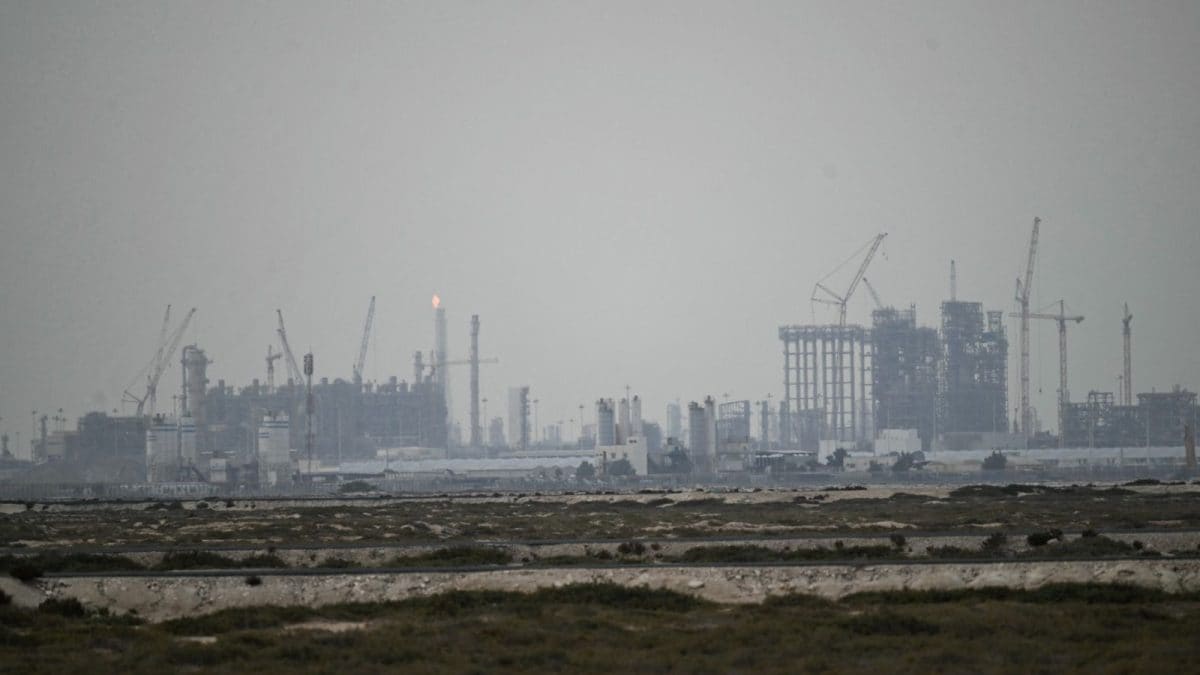
Last Updated:March 16, 2026, 20:26 IST Sources said India has decided to expand its national energy strategy due to recent production halts at Ras Laffan in Qatar and escalating instability near the Strait of Hormuz The move has been prompted by recent production halts at Ras Laffan in Qatar and escalating instability near the Strait of Hormuz. (Image: AFP/File) The ongoing conflict in West Asia has pushed India toward a long-term strategy to cut its dependence on the Gulf region when it comes to procuring LNG. According to top government sources, India has decided to fast-track a strategic energy pivot due to supply disruptions in Qatar – India’s largest supplier of LNG (liquefied natural gas), contributing 40 to 47 percent of total annual imports – and with the Strait of Hormuz practically a warzone. The government sources told News18 that the Centre has launched an aggressive overhaul of its national energy strategy, moving to decouple its power and industrial sectors from a heavy reliance on transit points in West Asia. Follow US-Israel-Iran War LIVE Updates …

Why India’s Oil Import Dependence Could Reach New Peak in FY26

Why India’s Oil Import Dependence Could Reach New Peak in FY26

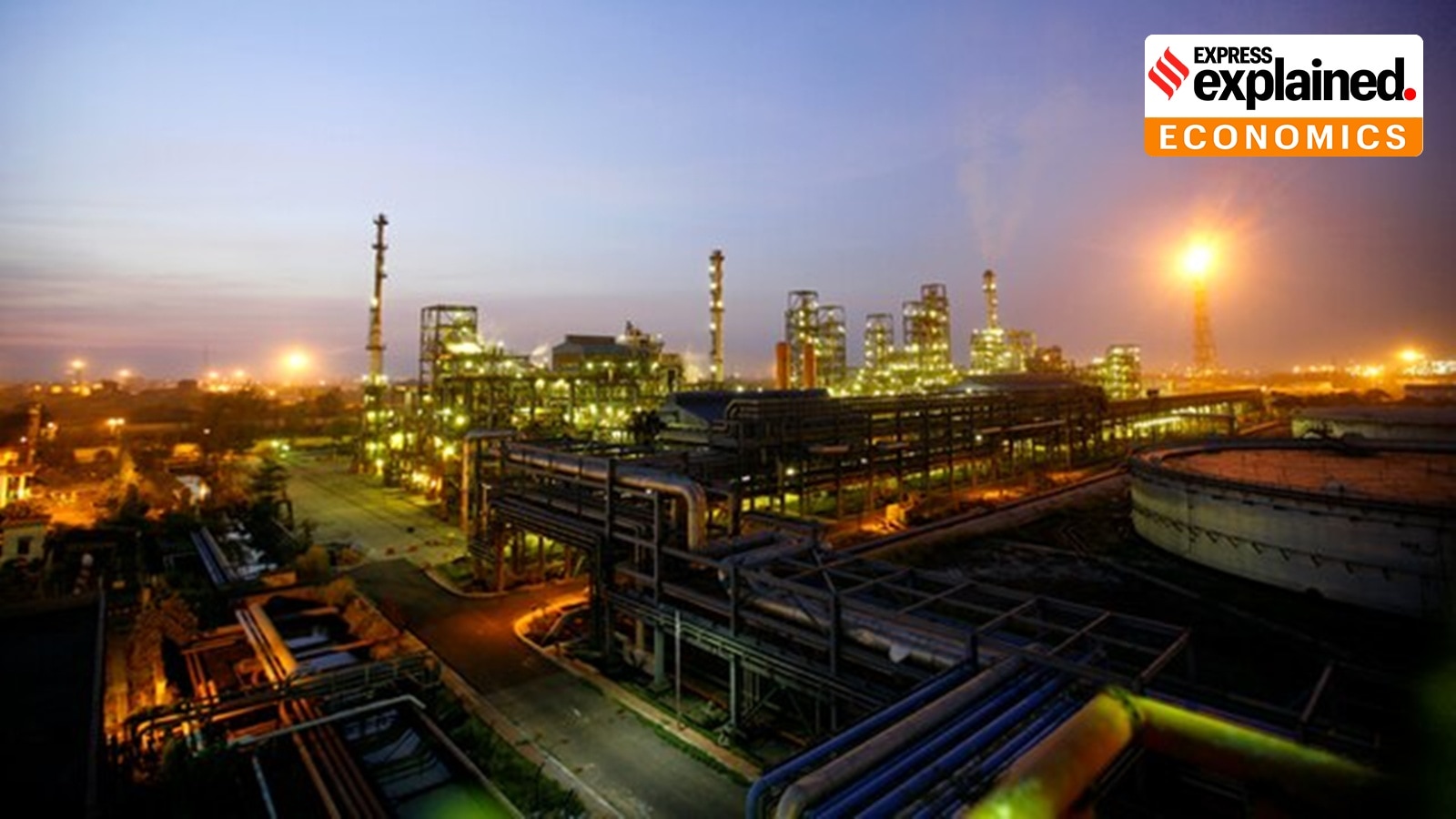
With increasing demand for fuel and other petroleum products amid stagnant domestic crude oil production, India’s dependence on imported crude oil grew to over 88.5% in the first 10 months of the current financial year FY26, indicating that the import reliance level for the full financial year could be headed for yet another record high. According to the latest data released by the Petroleum Planning & Analysis Cell (PPAC) of the Ministry of Petroleum and Natural Gas (MoPNG), the country’s oil import dependency was 88.6% in April-January, up from 88.2% in the corresponding period of FY25. For the full FY25, reliance on imported oil was 88.3%. According to industry insiders, the import dependency for the full FY26 could be a tad higher than the April-January level, similar to what happened in the last financial year. India is seen as a major growth centre for oil demand given the future potential in energy-intensive industries, growing vehicle sales, a rapidly expanding aviation sector, expected growth in consumption of petrochemicals, and a still-growing population with relatively low per-capita …

‘India’s Oil Procurement Based On National Interest’: Jaishankar After India-US Trade Deal | India News

‘India’s Oil Procurement Based On National Interest’: Jaishankar After India-US Trade Deal | India News

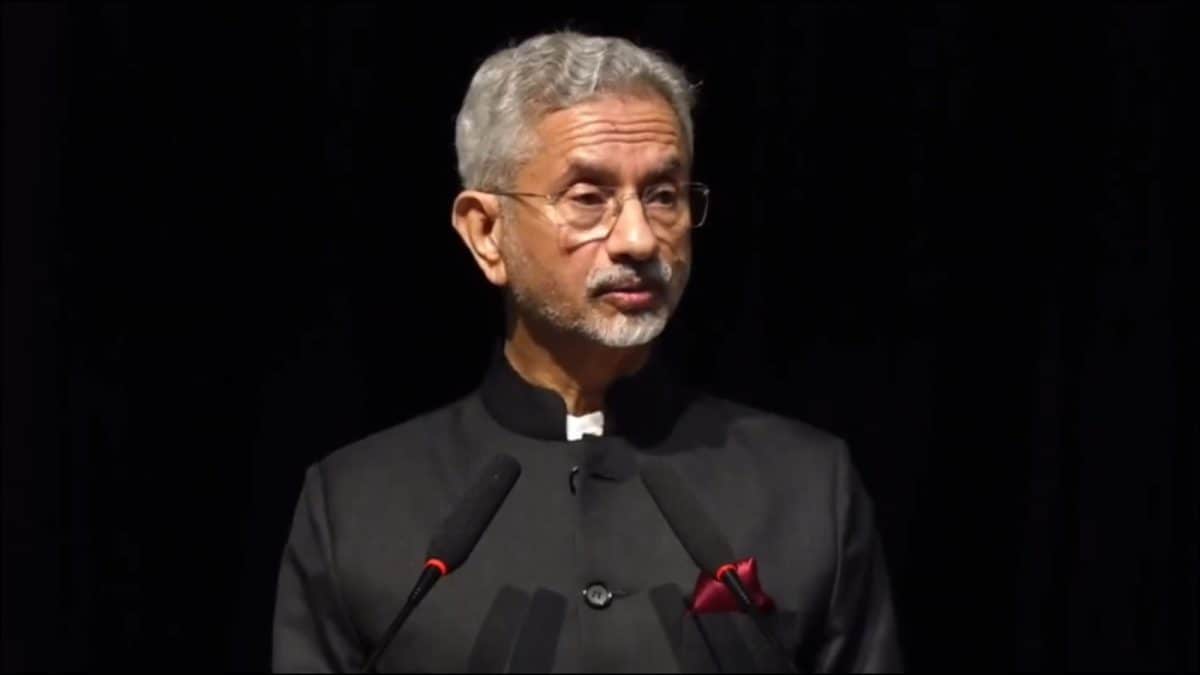
Last Updated:February 14, 2026, 23:25 IST S Jaishankar said that oil companies in India, Europe and elsewhere make purchasing decisions based on market factors and what best serves their interests. File photo of EAM S Jaishankar (X/@DrSJaishankar) External Affairs Minister S Jaishankar has once again reiterated New Delhi’s position on procuring oil from Russia saying that oil purchasing decisions are based on market factors and what best serves the nation’s interests. While speaking at the Munich Security Conference 2026, where he participated in a roundtable discussion titled ‘Delhi Decides: Mapping India’s Policy Calculus’ hosted by Ananta Aspen, Jaishankar spoke about the the issue of Russian oil imports, and said that oil companies in India, Europe and elsewhere make purchasing decisions based on market factors and what best serves their interests. Jaishankar also reiterated India’s stance that it retains the right to act in accordance with its national priorities. He also underlined that the government will continue to exercise strategic autonomy in determining its energy security policies. His remarks came days after US reportedly offered India …

‘Closely Following Developments’: MEA On US Bill Proposing 500% Tariffs Over Russian Oil | India News

‘Closely Following Developments’: MEA On US Bill Proposing 500% Tariffs Over Russian Oil | India News

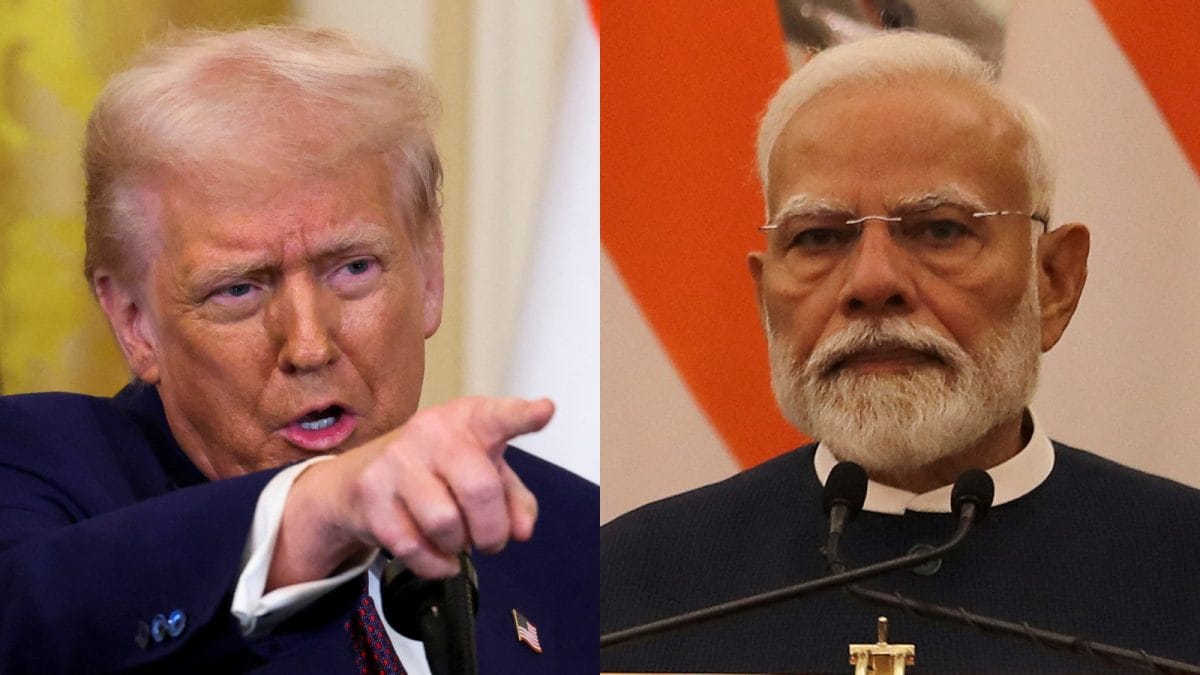
Last Updated:January 09, 2026, 17:22 IST US President Donald Trump “greenlit” a bipartisan Russia sanctions bill that could penalise Moscow’s trading partners, including India. US President Donald Trump and PM Modi. India said it is closely tracking developments around a proposed US sanctions bill that could impose steep tariffs on countries purchasing Russian oil, asserting that New Delhi’s energy sourcing decisions are driven by global market conditions and the need to ensure affordable supplies for its population. Reacting to the proposed legislation, the Ministry of External Affairs (MEA) said, “We are aware of the proposed bill. We are closely following the developments.” “Our position on the larger question of energy sourcing is well known. In this endeavor, we are guided by the evolving dynamics of the global market and by the imperative to secure affordable energy from diverse sources to meet the energy security needs of our 1.4 billion people,” the MEA said. The response comes after US President Donald Trump “greenlit” a bipartisan Russia sanctions bill that could penalise Moscow’s trading partners, including India, …