John Brittas writes: Taking India’s message to world
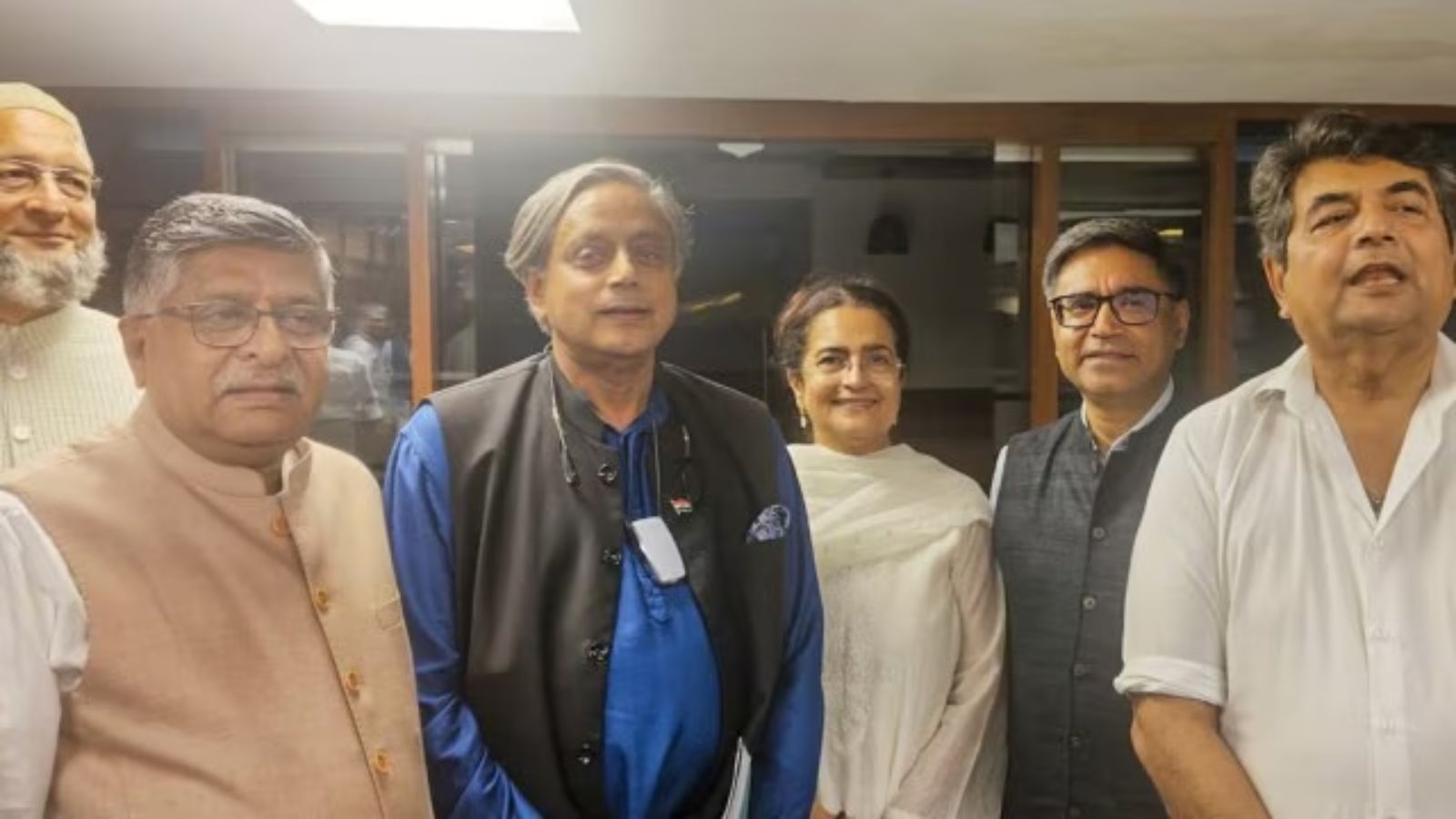
In 1994, when P V Narasimha Rao was Prime Minister, India sent a delegation to the United Nations headquarters in New York led by Farooq Abdullah. India’s permanent representative to the UN at the time was Hamid Ansari, who would later become the country’s Vice President. After the discussions concluded, the Indian delegation came face to face with Pakistan’s permanent representative to theUN, Jamsheed Marker, who posed a sarcastic question to Ansari and his team: “Aren’t there people in Hindustan other than Muslims?” That question perhaps encapsulates India’s syncretic and pluralistic culture — and how starkly it differs from Pakistan’s choice of becoming a religion-based theocratic state after Partition. Notably, this was also the same year that Indian bipartisanship was showcased to the world in Geneva, where Atal Bihari Vajpayee and Salman Khurshid helped thwart a UN resolution against India on the Kashmir issue, returning home to a rousing reception. The public outreach diplomacy under Narendra Modi today echoes that same bipartisanship, though in an unexpected form, as the Prime Minister broke his usual pattern …