All posts tagged: Football history

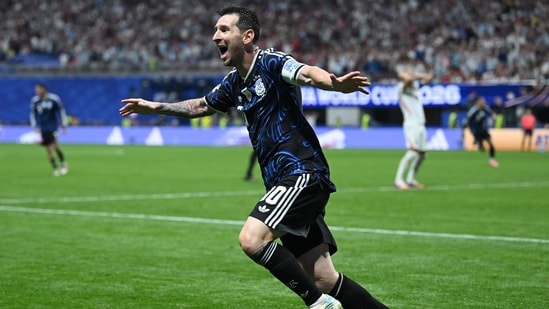
‘I already completed football in Qatar’: Lionel Messi sums up his legacy before World Cup final

‘I already completed football in Qatar’: Lionel Messi sums up his legacy before World Cup final

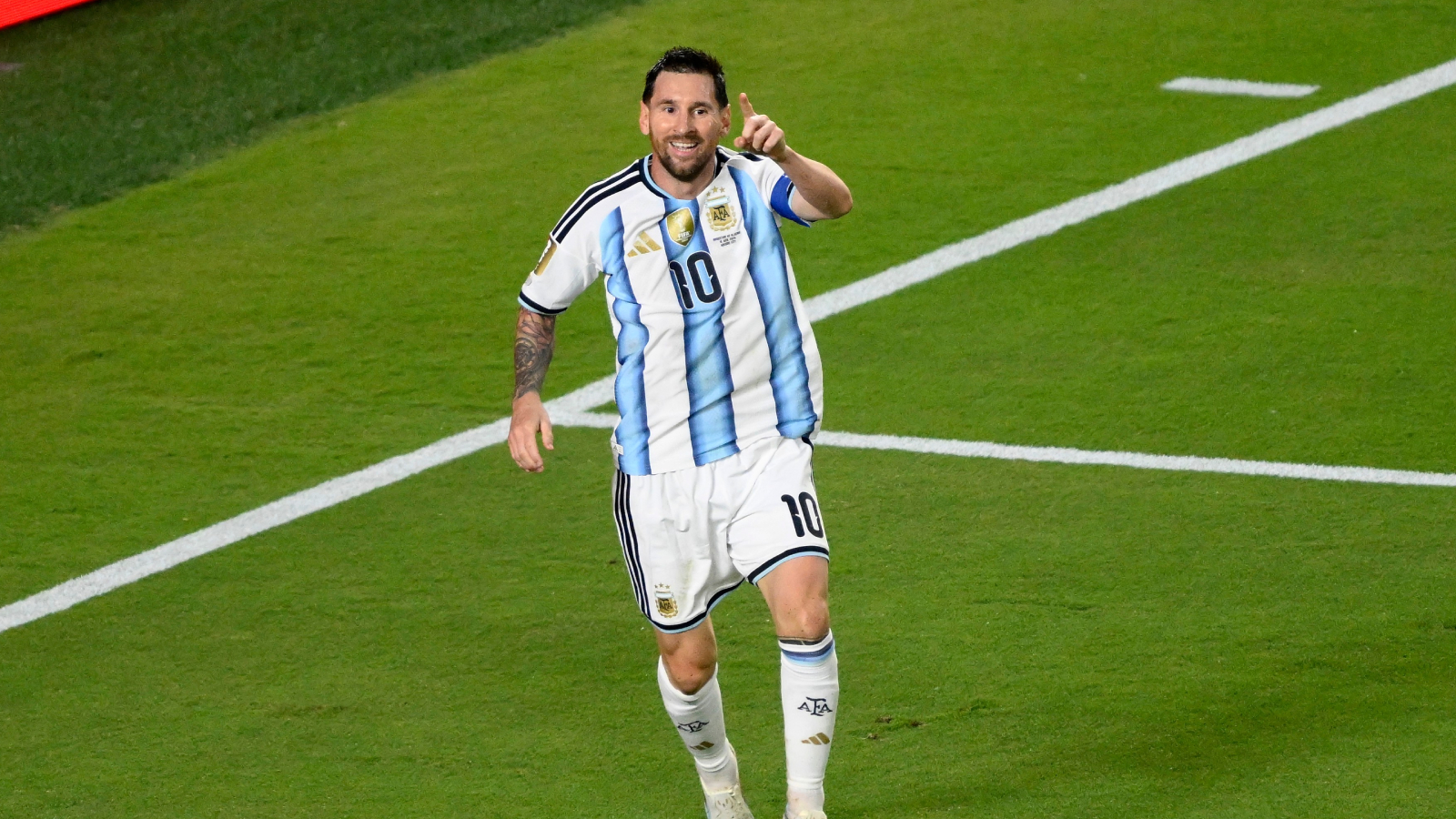
Lionel Messi is approaching another World Cup final with far less pressure than before, believing he fulfilled his greatest footballing dream by lifting the trophy in Qatar in 2022. Ever since breaking into international football, Messi had spoken about his desire to win the World Cup, a goal he achieved after years of heartbreak, including Argentina‘s defeat to Germany in the 2014 final. Having conquered the sport’s biggest prize, the 39-year-old now heads into Sunday’s final against Spain with little left to prove. Messi has won every major trophy available at club and international level and remains the most decorated footballer in history, with an unmatched collection of team titles and individual honours that have cemented his place among the greatest players the game has ever seen. Lionel Messi will be playing his third World Cup final. (Getty Images via AFP) Ahead of the final, a reporter compared Messi’s career to a seamless video game during a conversation with him. The eight-time Ballon d’Or winner responded in his usual understated style, joking that he had …
Argentina and Uruguay reached first World Cup final in 1930, then discovered match ball itself was still up for debate

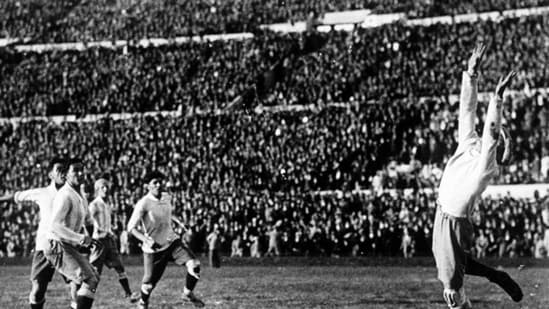
Argentina and Uruguay reached first World Cup final in 1930, then discovered match ball itself was still up for debate

The first World Cup final did not begin with a tactical argument, a disputed team selection or even a refereeing controversy. It began with a fight over the football itself. Hector Castro’s 89th-minute goal gave Uruguay the decisive goal vs Argentina in the 1930 Final. (X images) When Uruguay and Argentina met at Montevideo’s Estadio Centenario on July 30, 1930, there was no universally designated World Cup match ball of the kind now unveiled months before every tournament. Different footballs could satisfy the laws of the game while varying considerably in construction, weight distribution, leather quality and feel. Both finalists arrived carrying a ball they trusted. Neither wanted to play with the other’s. Argentina preferred the Tiento, a traditional brown leather football usually described as lighter and slightly smaller. Uruguay wanted its own T-Model, an 11-panel ball considered firmer and more robust. With both teams refusing to compromise, Belgian referee John Langenus was forced to make an extraordinary decision. Both balls would be used. A coin toss determined the order. Argentina won, meaning its Tiento …

“Maggie Thatcher, your boys took a hell of a beating”

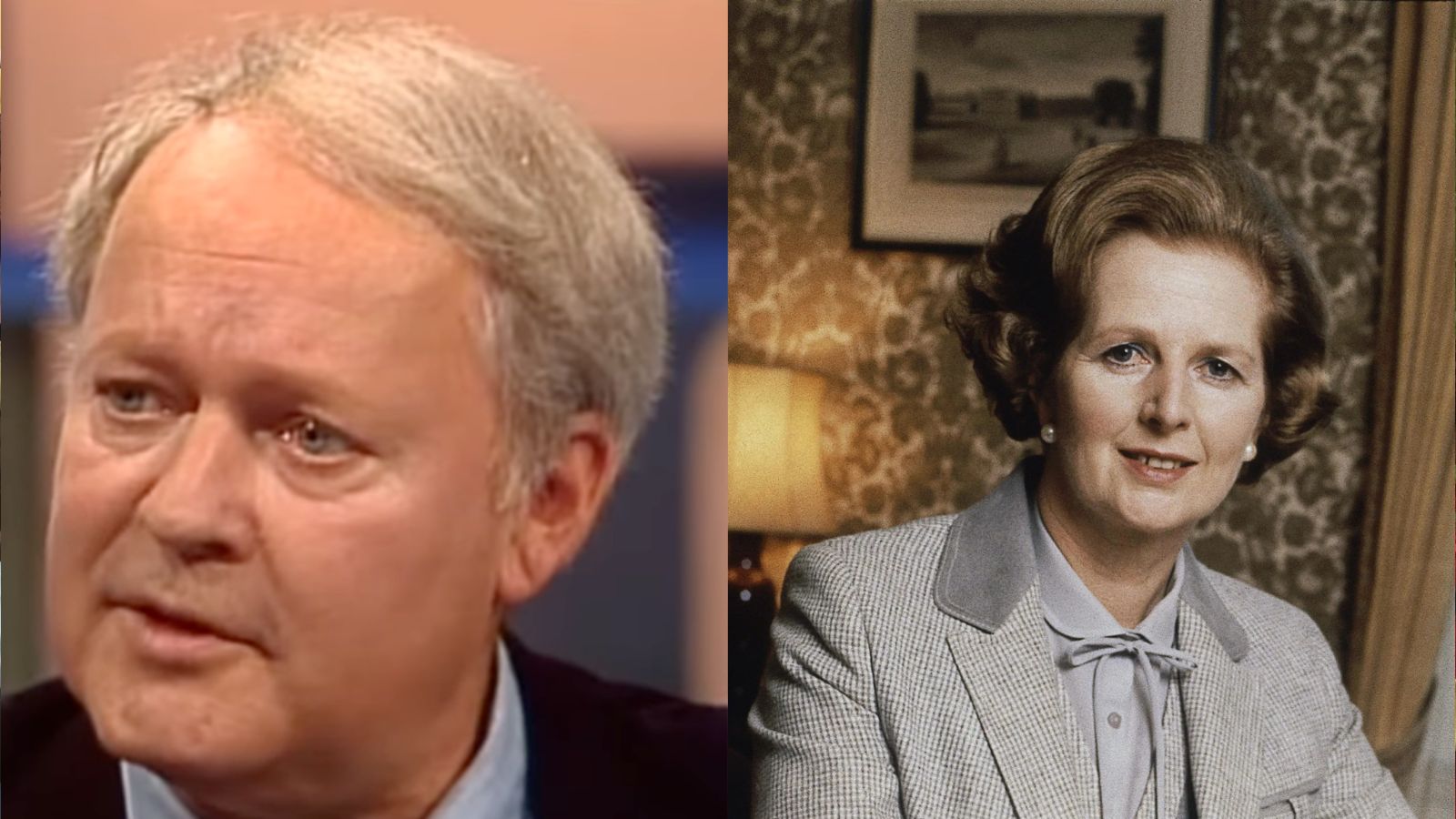
“Maggie Thatcher, your boys took a hell of a beating”

3 min readUpdated: Jul 9, 2026 07:29 PM IST It was a time when narration mattered more than narratives. And he was more Jon Champion’s wit than Peter Drury’s poetry. But Bjorge Lillelien commentating on Norwegian radio to register their 2-1 win over England in World Cup qualifying in 1981, turned epic for his feisty, direct monologue addressing then UK PM Margaret Thatcher. “Maggie Thatcher, can you hear me?” he bellowed. “Maggie Thatcher, your boys took a hell of a beating.” BBC4 recalled the iconic piece of commentatory that heralded the first of two times Norway have beaten England in a World Cup cycle. That English team for the 1982 qualifiers had Glen Hoddle, Bryan Robson and Kevin Keegan, while Norway had part-timers – rallies from a goal down, through goals for Roger Albertsen and Hallvar Thoresen. Norway had Hallvar before football got VAR. And goalkeeper Tore Antonsen couldn’t celebrate because he needed to go back to work next morning of September 10, at 7 a.m. The result however became famous for Lillelien’s throaty, giddy …

‘Put the beef to bed’

‘Put the beef to bed’

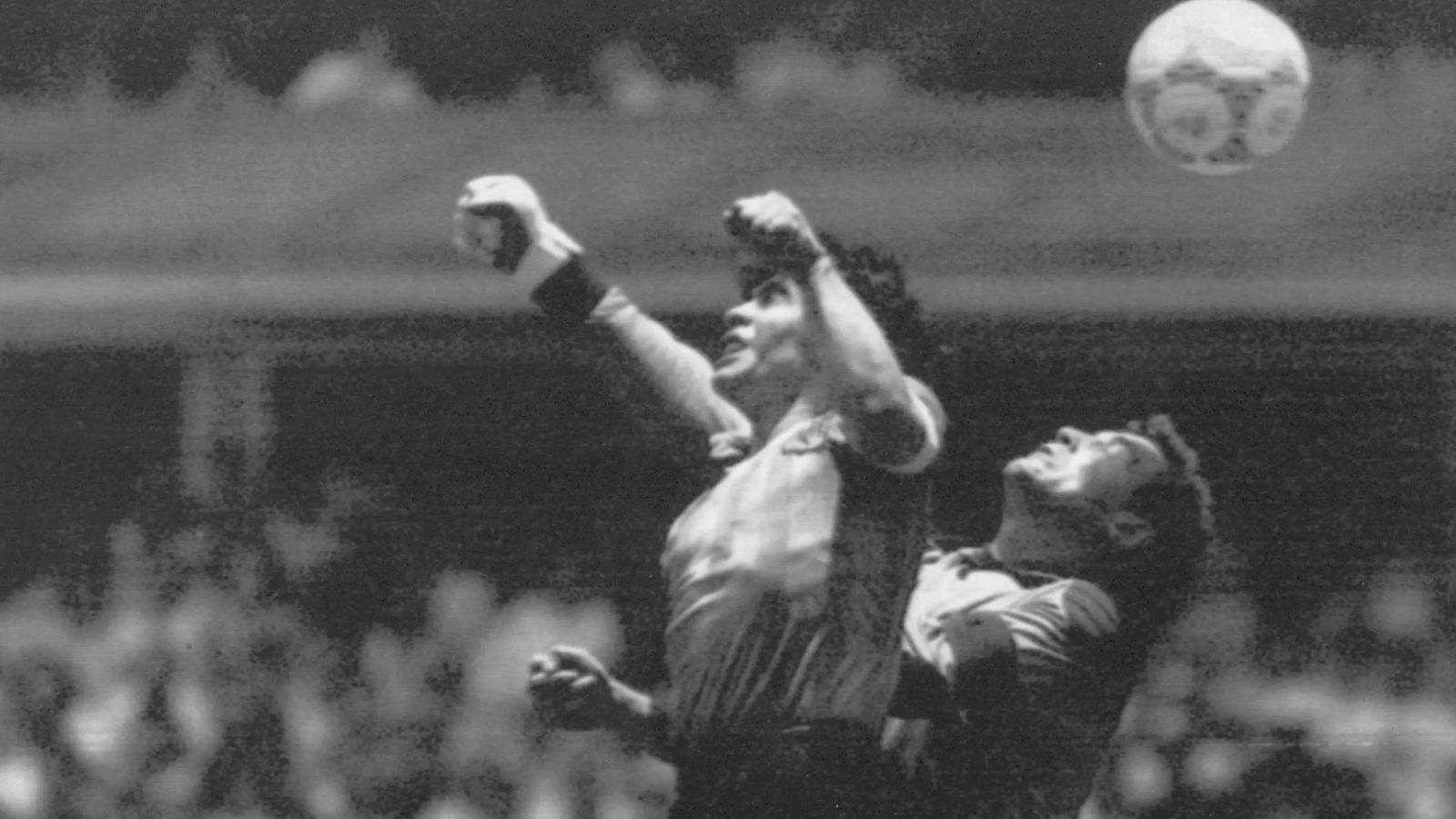
Forty years after Diego Maradona’s infamous “Hand of God” goal altered the course of England’s 1986 World Cup campaign, Peter Shilton said he had finally made peace with the episode – even if he could never fully forget it. The former England goalkeeper, whose name had remained inseparable from one of football’s most controversial moments, admitted that time and a recent visit to Argentina had softened his feelings. “I’ve put the beef to bed,” Shilton told The Telegraph. “It’s 40 years now. I’ve been over to Buenos Aires in recent years, and the people there were fantastic towards me. They were brilliant. Inside, I thought it was time to move on… obviously Maradona’s no longer with us.” Yet acceptance was not the same as absolution. Maradona’s handball helped Argentina to a 2-1 victory in the 1986 World Cup quarter-final before he scored the celebrated “Goal of the Century” minutes later. Despite winning 125 England caps and enjoying one of the greatest goalkeeping careers in English football, Shilton still found himself defined by one moment. He …

‘I swear he doesn’t care.’ Messi’s long-time team-mate on records being broken

‘I swear he doesn’t care.’ Messi’s long-time team-mate on records being broken

4 min readUpdated: Jun 17, 2026 02:24 PM IST With his opening match hat-trick against Algeria in Argentina’s Group J encounter at Kansas City Stadium on Wednesday, World Cup winner Lionel Messi not only levelled with German Miroslav Klose for most goals in FIFA World Cup history with 16 goals but also became the oldest player to score a World Cup hat-trick. The 38-year-old Argentine star’s hat-trick came exactly 20 years after his FIFA World Cup debut when he came on as a substitute in a group match against Serbia and Montenegro in the 2006 World Cup in Germany. Messi’s team-mate Rodrigo De Paul, who also assisted Messi in his first goal of the match, shared how Messi does not care for records and how Messi is enjoying his football without the pressure at present. “I swear he doesn’t care. Sometimes we’ll be in a room drinking mate and we’ll tell him ‘hey man, you’re just one away or two away’ or whatever. And I swear he has no idea. I don’t know how that …

When FIFA didn’t allow players a sip of water during games

When FIFA didn’t allow players a sip of water during games

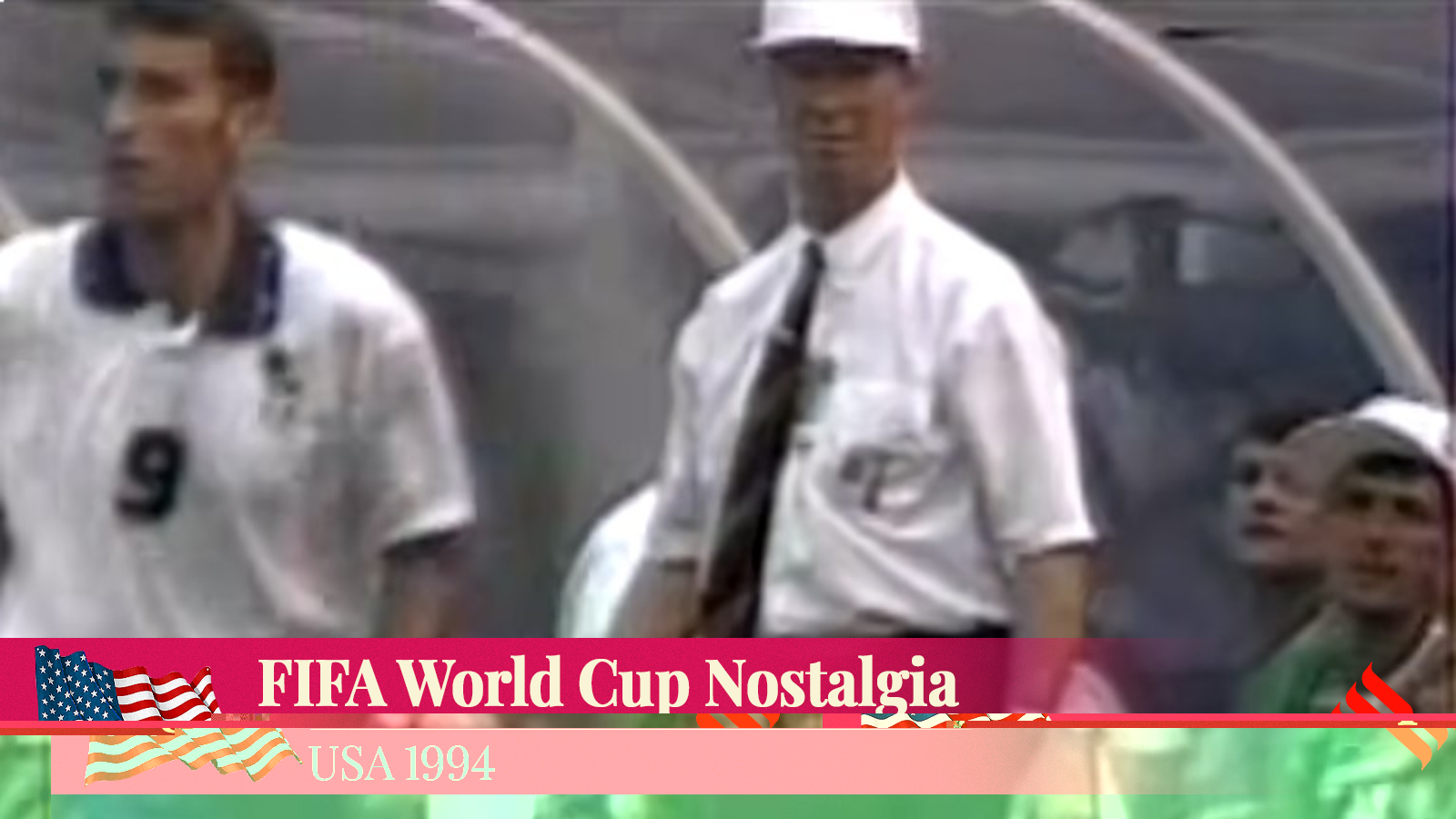
5 min readJun 9, 2026 09:18 PM IST England may have failed to qualify for the 1994 World Cup, the only previous edition hosted by the United States, but an Englishman had a central role to play in its early stages. Jack Charlton was part of England’s 1966 World Cup-winning team but by 1994, had already etched his name in the history of Irish football as their most successful manager. His team started the 1994 tournament by beating the Italy of Baggio, Baresi and Maldini 1-0; the same Italian side that eventually reached the final. Yet, if one only saw Charlton ranting and raving on the touchline during this game, one might be forgiven for thinking that the proceedings were going against the Irish. The reason for his histrionics was something that has turned out to be one of the central issues going into the 2026 tournament as well – water. About 24 minutes into the match, the broadcast cut to Charlton, who was seen throwing water at his players whenever they were close to …

The hand of a God, goal of the century, grudge of a lifetime

The hand of a God, goal of the century, grudge of a lifetime

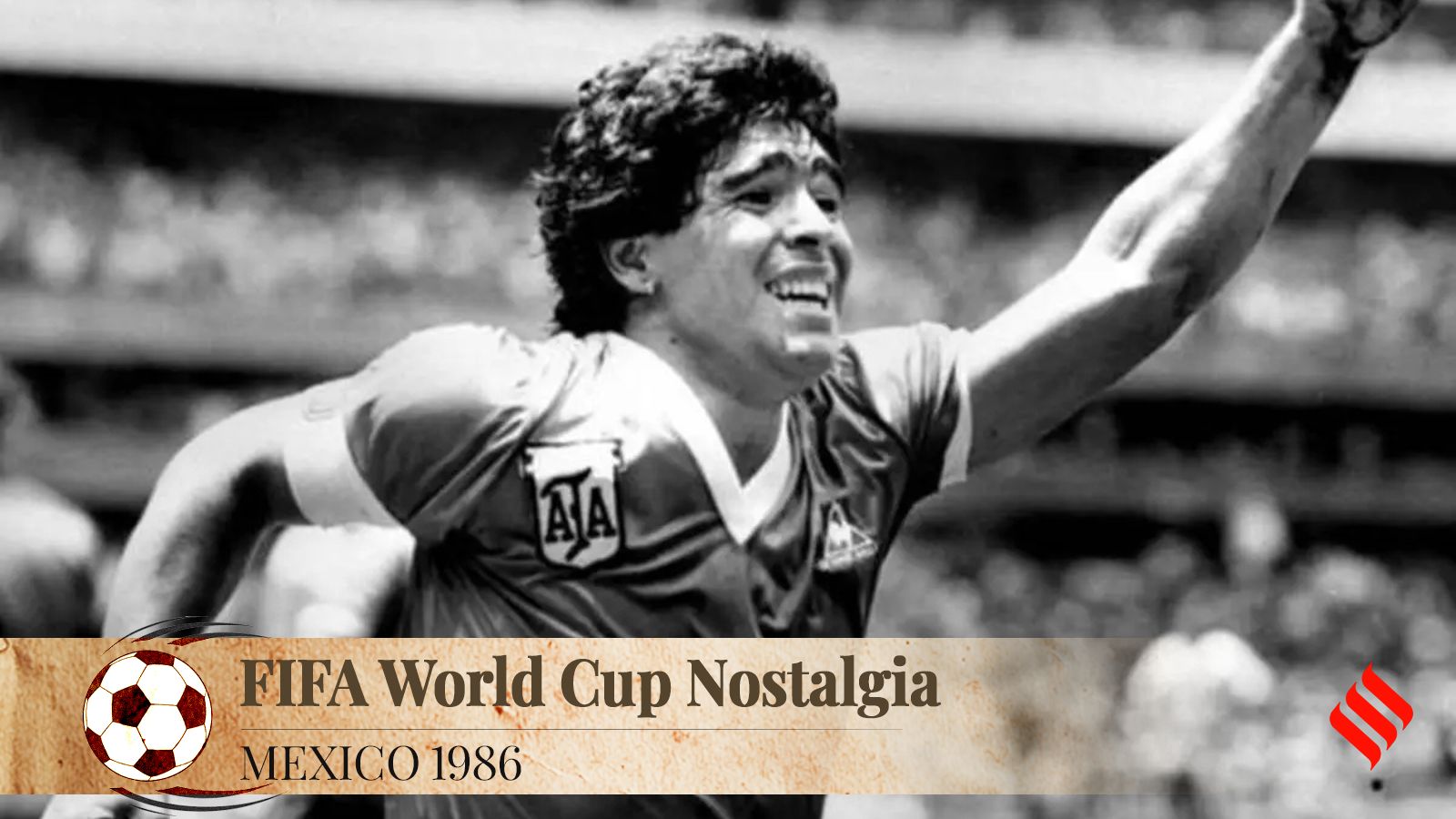
Steve Hodge kept the shirt for 35 years. He hadn’t meant to be part of any of it. In the 51st minute of a World Cup quarter-final in Mexico City, he had tried to clear a ball, got it badly wrong, and looped it back towards his own goalkeeper. What followed – in less than a second, in the space that mistake created – would follow him for the rest of his life. After the final whistle he found Maradona in the tunnel and asked to swap shirts. He kept it for twenty years, loaned it to a museum, then held on a little longer. In 2022, he sold it at Sotheby’s for £7.1 million. World record for sports memorabilia. That is what one second of football made of itself. *** June 22, 1986. The Azteca Stadium, Mexico City. 114,000 people inside. Four years since the Falklands War ended with Argentina humiliated, 600 soldiers dead, Las Malvinas still British. Maradona had told the press beforehand it was only about football. He knew that wasn’t true. …

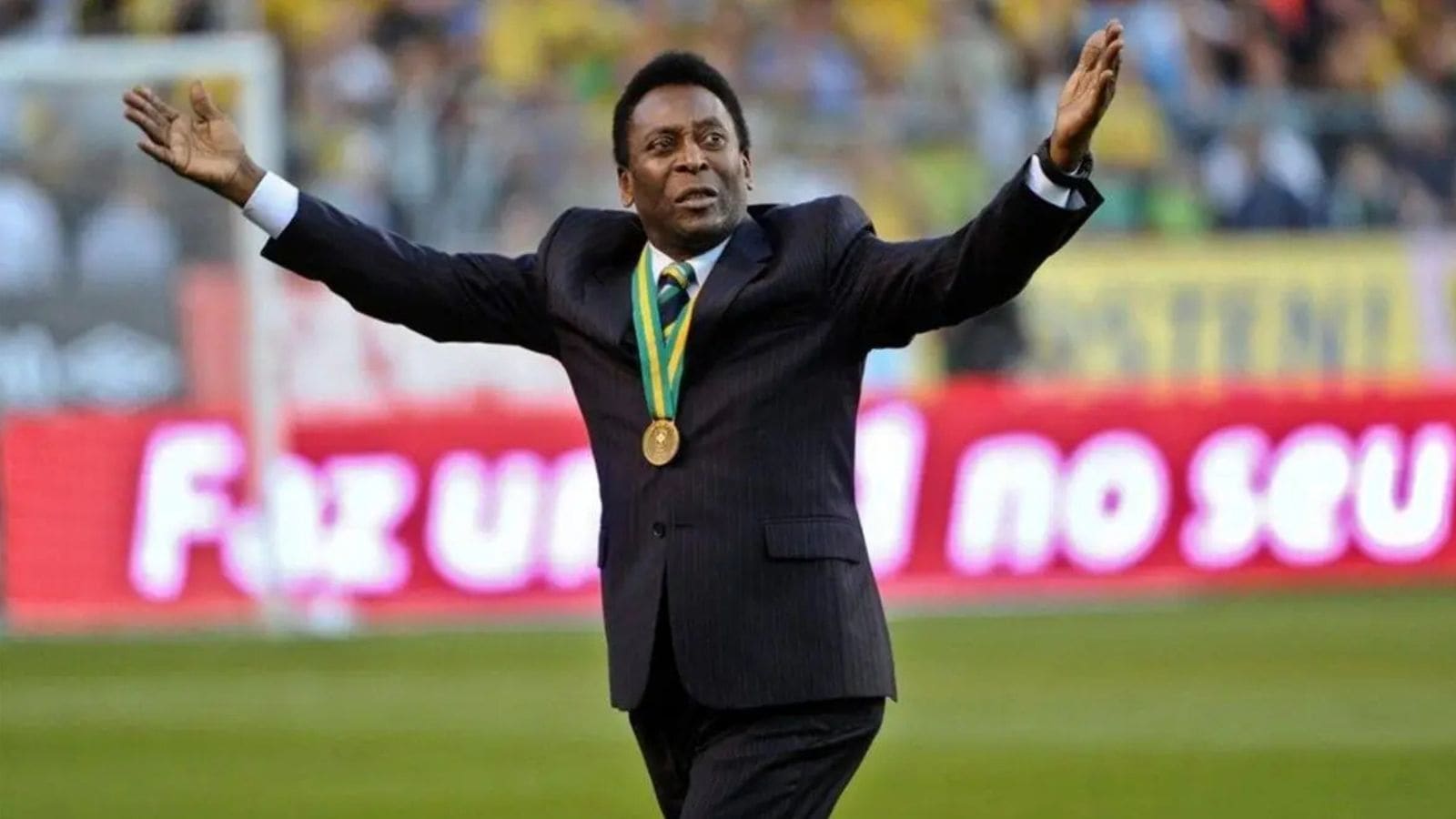
Pelé’s 1958 final jersey to be auctioned and estimated to be sold at price of 5.7 crores

Pelé’s 1958 final jersey to be auctioned and estimated to be sold at price of 5.7 crores

3 min readUpdated: Jun 2, 2026 09:10 PM IST Late Brazillian footbeller Pelé’s jersey donned during the final of the 1958 World Cup will be auctioned later in the month by fine art company Sotheby’s. The memorabilia is expected to be sold at around 5.7 crores (57,16,29,900 in Indian rupees and $6 million) according to a report from The Athletic. The auction will be held from June 29 to July 16. In the final, Pelé scored twice against Sweden to help Brazil win 5-2. Widely regarded as one of soccer’s greatest players, Pelé spent nearly two decades enchanting fans and dazzling opponents as the game’s most prolific scorer with Brazilian club Santos and the Brazil national team. Pele carried Brazil to soccer’s heights and became a global ambassador for his sport in a journey that began on the streets of Sao Paulo state, where he would kick a sock stuffed with newspapers or rags. In the conversation about soccer’s greatest players, only the late Diego Maradona, Lionel Messi and Cristiano Ronaldo are mentioned alongside Pelé. …

A bit of Pep Guardiola in every English football game, from Premiership to Sunday leagues

A bit of Pep Guardiola in every English football game, from Premiership to Sunday leagues

Ten years is too short to be called an era, but Pep Guardiola’s decade with English football is an era unto its own. Ten years of stacking trophies, of varied sizes, shapes and values; ten years of building an identity and heritage for a club that had languished in the shadows of the more historic institution in the neighbourhood, and ten years of refashioning the ideals and values, methods and style of the English game. He would be immortalised as the greatest Manchester City manager, as one of the greatest of the league, but his biggest legacy is that he changed the footballing mentality of a stubborn nation that claims to have discovered the game. He found the league in English and left it Guardiola-esque. Precisely for this reason, his time in England can’t be fully quantified. To call him a supreme tactician would be to limit his aura to the numerous innovations and inventions he produced with various iterations of City; to belittle the supreme man-manager he was, in how he coaxed his men …

FIFA World Cup anthems ranked: From Shakira’s Waka Waka to Ricky Martin’s The Cup of Life and 2026’s Dai Dai

FIFA World Cup anthems ranked: From Shakira’s Waka Waka to Ricky Martin’s The Cup of Life and 2026’s Dai Dai

Some FIFA World Cup songs disappear the moment the tournament ends. Others become part of football history forever. The best World Cup anthems are not always the most technically brilliant songs. They are the ones tied to emotions: late-night match screenings, dramatic penalties, iconic celebrations and summers fans never really move on from. One chorus can instantly remind people of South Africa’s vuvuzelas, Brazil’s chaos, Messi lifting the trophy, or BTS’s Jung Kook opening the Qatar World Cup like it was a stadium-sized concert. FIFA World Cup anthems ranked after Shakira’s Dai Dai. And while FIFA has given us some unforgettable musical moments over the years, not every anthem has survived the nostalgia test equally well. Here’s our ranking of the most iconic and sometimes confusing FIFA World Cup anthems over the years. 1. Waka Waka (This Time for Africa) — Shakira featuring Freshlyground (2010) Nothing has matched the cultural grip of Waka Waka yet. The song arrived at the perfect time, during a World Cup that already felt historic because it was hosted in …