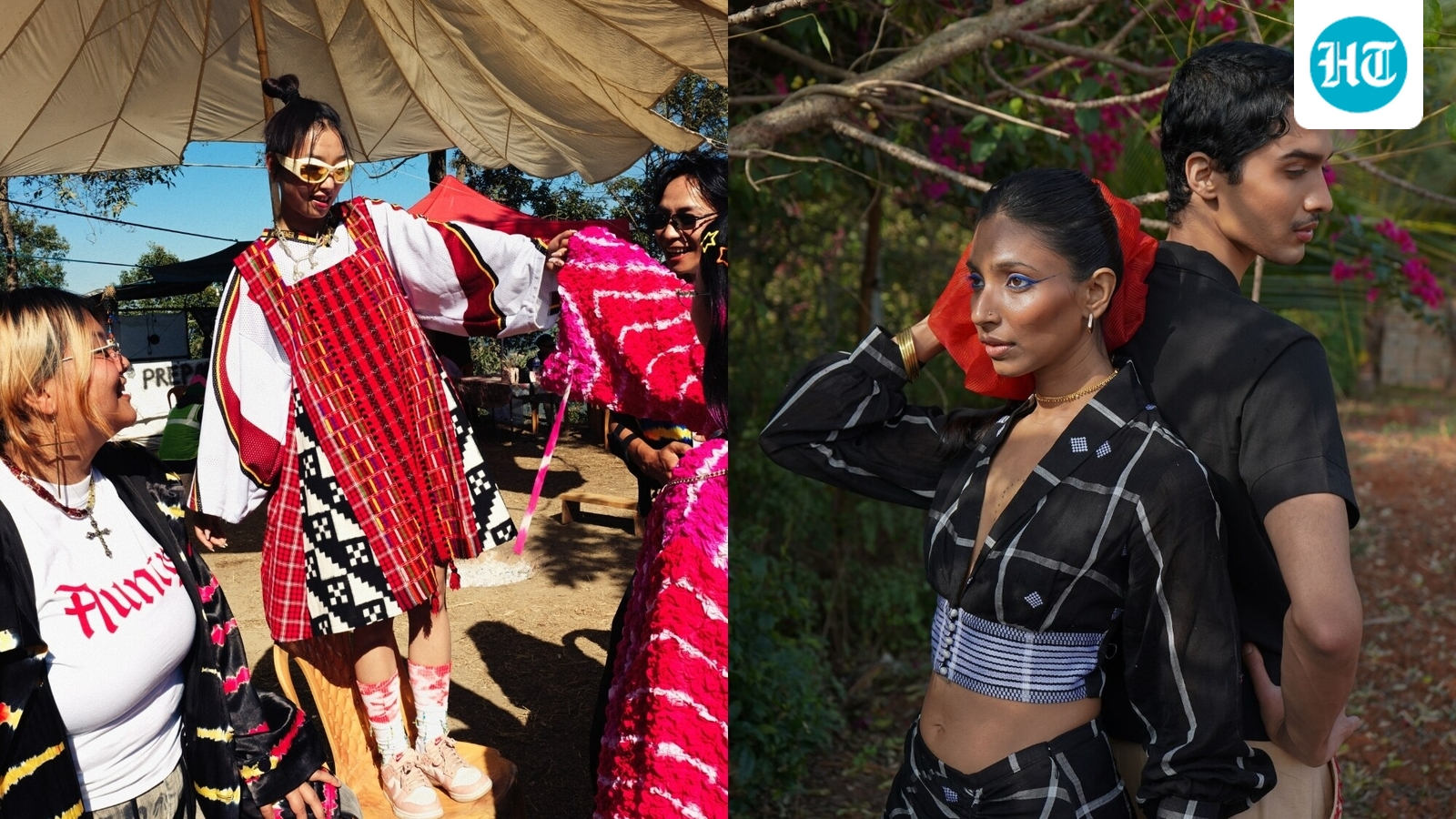
Not your grandmother’s handloom: The designers, and Gen Z labels changing the craft forever
“When I was in design college, I saw how polluting the fashion industry was and wanted to combine two problems: textile waste management and handloom craft getting extinct,” says Singhal. “We brought traditional weavers in Delhi, who had left handloom long ago for jobs like plumbing or selling vegetables, back to the loom. The idea is to embody playfulness with more fashion-forward silhouettes. We work on a lot of kimonos which not only cater to the modern audience but can be shared within the family – like a mother can wear the same shirt as the daughter or as the son. There’s no trend-chasing here. The history of the piece ensures it remains relevant.” How Gen Z is buying handloom online Gen Z is widely recognised as the first purely digital-native generation, with over 75% using social media platforms like Instagram as their primary search engine for product discovery. For contemporary handloom labels, this digital migration has completely levelled the playing field, shifting discovery from traditional retail stores to curated online portals like Nete.in (”Not …