Key Takeaways on Ukraine, Iran, Migration and India
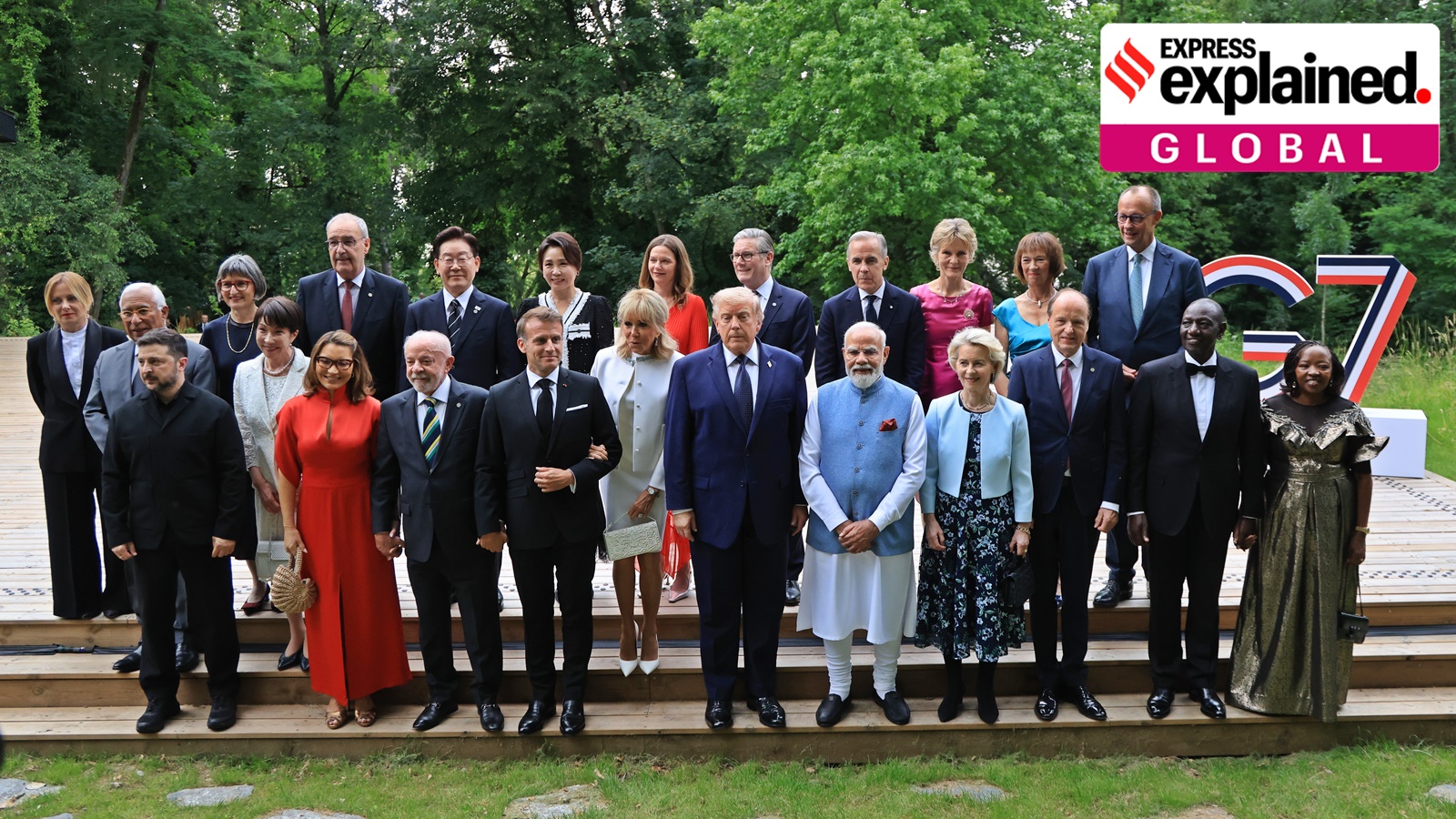
From June 15 to 17, world leaders came together in France for the G7 (Group of Seven) meeting amid rising geopolitical tensions and economic instability. The meeting focused on the Russia-Ukraine war, the tensions in West Asia, artificial intelligence (AI) and global trade disruptions. The G7, an informal forum of leading industrialised nations, comprises Canada, France, Germany, Italy, Japan, the UK and the US. Ukrainian President Volodymyr Zelenskyy’s presence at the 52nd edition of the summit drew global attention, amid renewed efforts to bring a resolution to the Russia-Ukraine war, now in its fifth year. India also participated in the event, with Prime Minister Narendra Modi flagging concerns over the safety of Indian seafarers in the Strait of Hormuz, after attacks on commercial ships by the US Navy killed three Indians. Following three days of discussions, the G7 leaders released statements on major topics such as human trafficking, geopolitical issues and rebuilding international partnerships. Here’s a look at what G7 brings for the world, what it means for India, and the developments to watch going …