All posts tagged: micronutrients

What happens to the body when you eat fruits on an empty stomach?

What happens to the body when you eat fruits on an empty stomach?

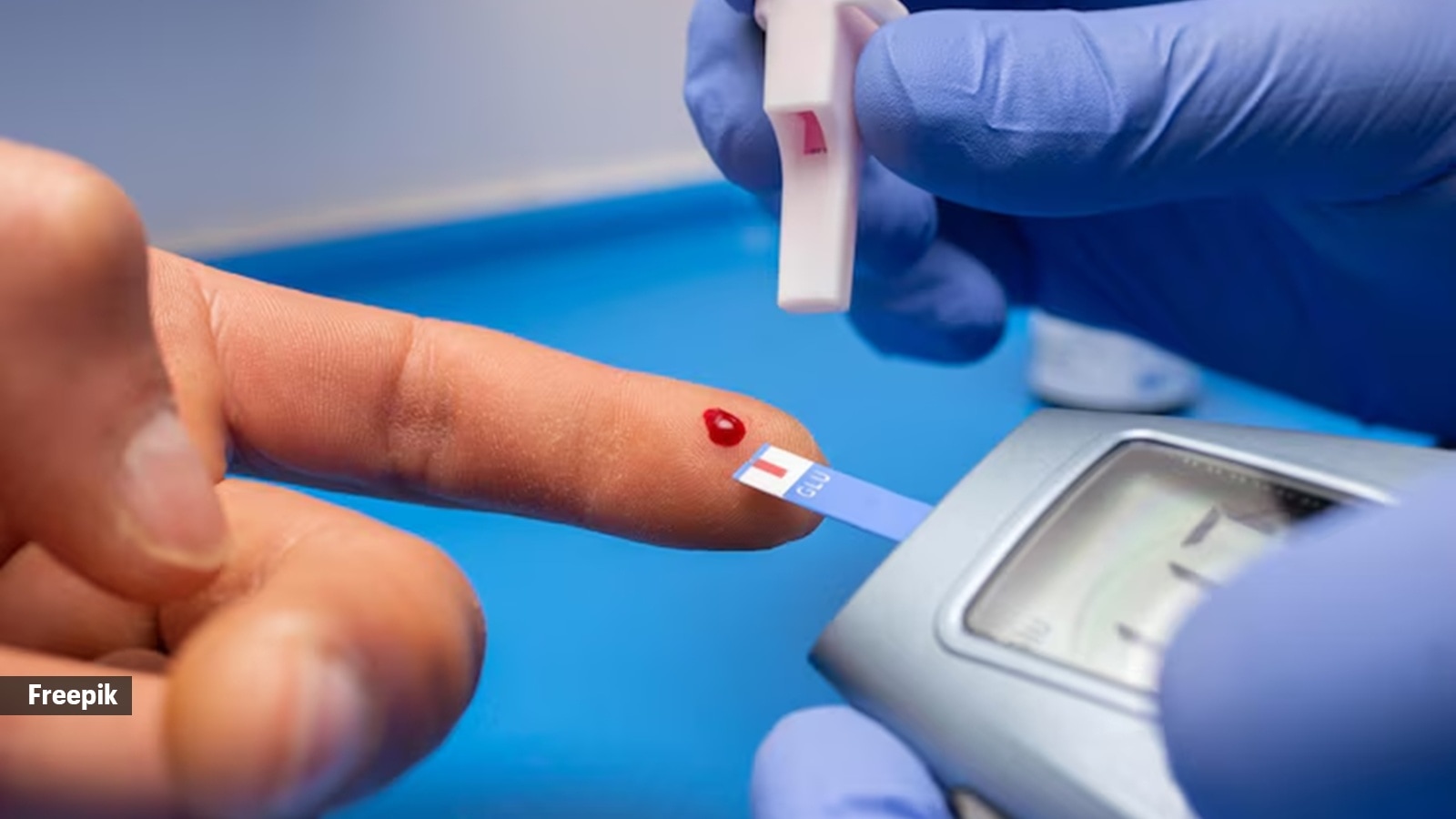
3 min readNew DelhiJun 5, 2026 06:00 AM IST Fruits are often hailed as one of the healthiest additions to your diet — rich in fibre, antioxidants, vitamins, and natural sugars. Many people prefer eating fruits first thing in the morning, believing it to be a clean and energising start to the day.  But, can consuming them on an empty stomach spike blood sugar levels, especially in those with insulin resistance or at risk for diabetes? Diabetes educator and dietician Kanikka Malhotra tells indianexpress.com, “Consumption of fruits produced on an empty stomach can lead to elevating the level of sugar in the blood because of the natural forms of sugar they possess (fructose), which is transformed by the body to glucose. Nevertheless, with individuals who are susceptible to diabetes or pre-diabetes, such a surge is not notable provided portion servings are monitored properly and not fruit juices are imbibed but whole fruits.”  Complete fruits also give fibre to retard glucose release, limiting sudden rises in blood sugar levels. Some fruits have different glycemic responses, and …

Are you overdosing on vitamins? Doctor busts the myths about micronutrients

Are you overdosing on vitamins? Doctor busts the myths about micronutrients

Vitamins are important organic compounds that our bodies need in small amounts to function well. They support many body processes, such as metabolism, immune health, and the maintenance of skin, hair, and bone health. Unlike macronutrients like carbohydrates, proteins, and fats that give us energy, vitamins are classified as micronutrients because our bodies only require them in tiny amounts. Do people overdose on vitamins? (Pexels) What are the types of vitamins? “Vitamins are divided into two types water-soluble and fat-soluble”, Dr Neeti Sharma, Dietitian and Nutritionist at Marengo Asia Hospitals, tells Health Shots. What are the water-soluble vitamins? Water-soluble vitamins are vitamins that dissolve in water. The body does not store them, so we need to eat them regularly. The main water-soluble vitamins include: Vitamin C: Vitamin C helps boost your immune system. You can find it in citrus fruits, strawberries, and broccoli. B-vitamins: This group of vitamins includes B1 (thiamine), B2 (riboflavin), B3 (niacin), B5 (pantothenic acid), B6 (pyridoxine), B7 (biotin), B9 (folate), and B12 (cobalamin). “These vitamins help our bodies in many ways, …

Lancet Study Says Indians Deficient In Iron, Calcium, Folate

Men and women aged 10-30 years were most prone to low-levels of calcium intake. New Delhi: People across all age groups in India, both men and women, are consuming inadequate amounts of micronutrients critical for health, including iron, calcium and folate, as estimated in a study published in The Lancet Global Health journal. The study is the first to provide estimates of insufficient consumption of 15 micronutrients across 185 countries, taken through diets without the use of supplements, according to an international team, including researchers from Harvard University, US. The findings suggested that around the world, almost 70 per cent, or over five billion, people do not consume enough iodine, vitamin E, and calcium. The researchers also found that within a country and an age group, more women were consuming inadequate amounts of iodine, vitamin B12 and iron, compared to men, whereas more men were consuming inadequate amounts of magnesium, vitamin B6, zinc and vitamin C, compared to women. In India, while more women consumed insufficient amounts of iodine, compared to men, more men consumed …