Ghalib, Mir and Faiz: What we no longer hear in Urdu poetry | Books and Literature News
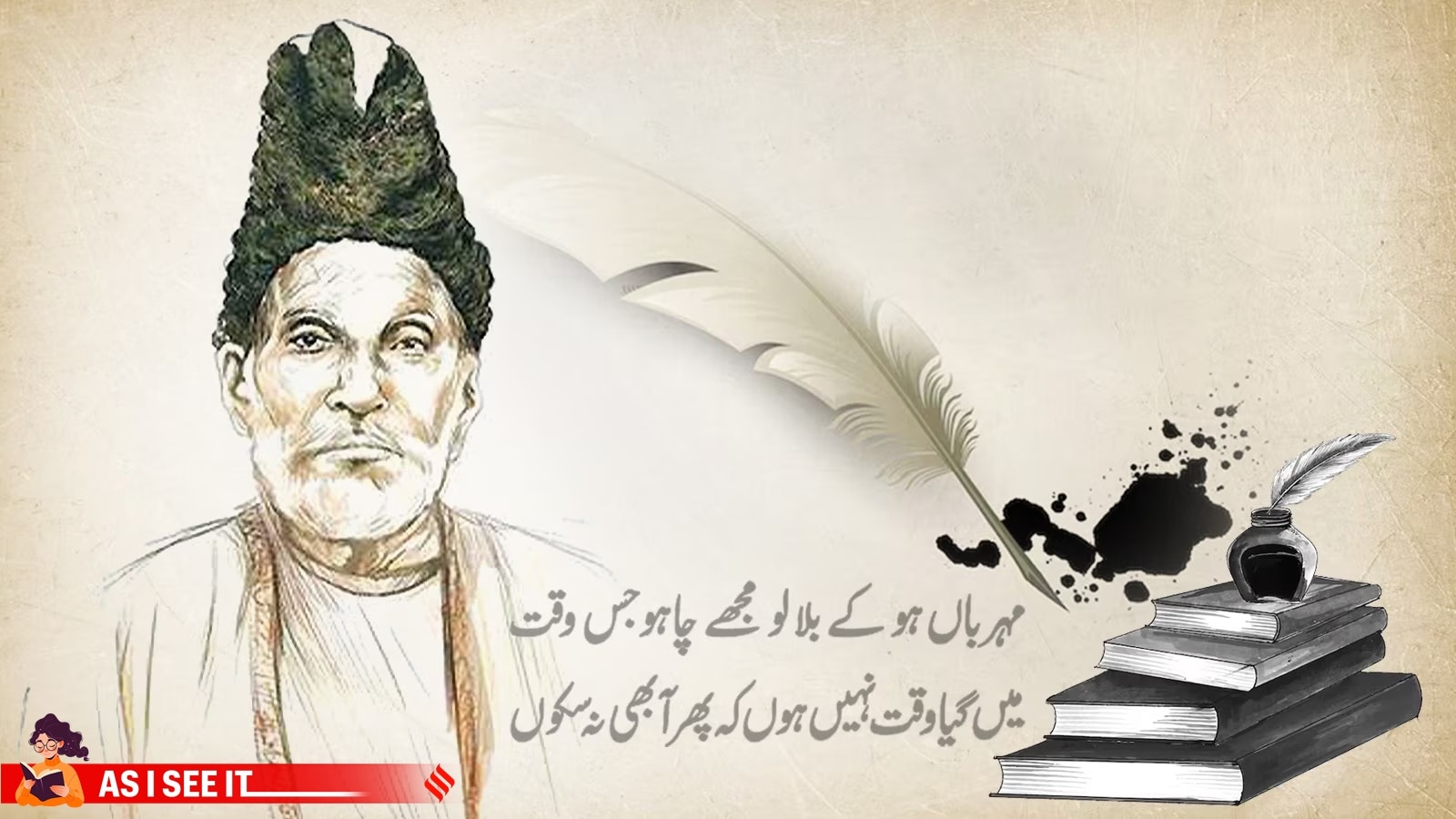
Ghalib has become safe. This is the most consequential literary fact about contemporary Indian culture and among the least examined. His couplets end corporate emails. His name is invoked at literary festivals as proof of civilisational coexistence. His complaints about God are received as charming skepticism, the posture of a witty agnostic born before agnosticism had a name. And the entire theological universe that made his poetry possible, that gave it its specific gravity and daring and precision, is treated as historical background rather than living argument. This transformation did not happen through hostility. Nobody burned Ghalib’s books or banned his verses. The secular reception of Urdu poetry, consolidated across seventy years of post-Independence cultural life, did not attack the tradition. It curated it. It selected from it the elements most easily received without theological commitment, amplified those elements into the dominant understanding of what the tradition is, and allowed the rest to recede without announcement. The result is a version of Urdu poetry that is widely loved and partially understood. The vocabulary and its …