All posts tagged: Raisina Dialogue

Key challenge to mobilise green capital for developing economies: NK Singh | India News

Key challenge to mobilise green capital for developing economies: NK Singh | India News

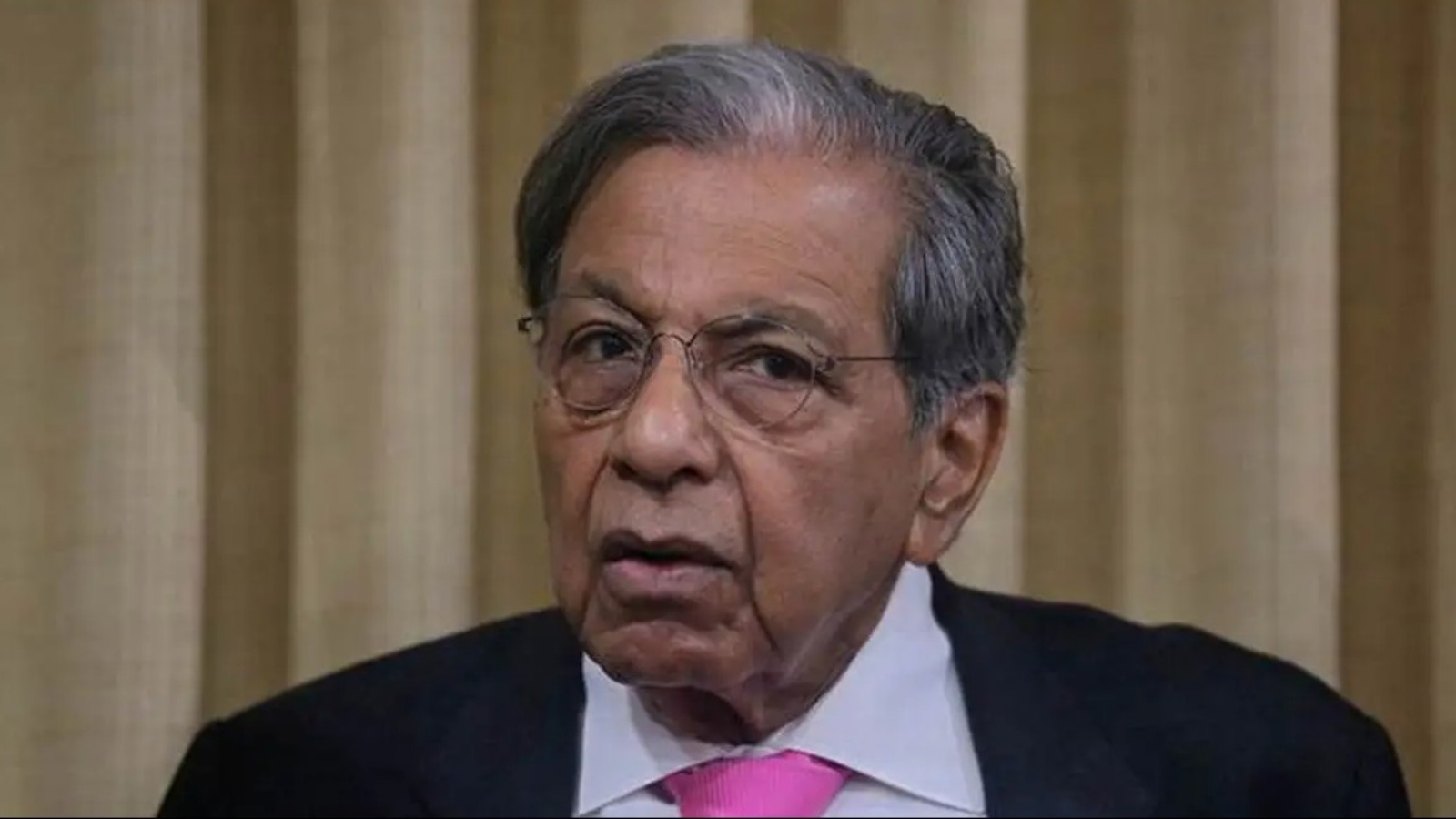
2 min readNew DelhiJun 27, 2026 05:31 AM IST The green transition board, announced at the Raisina Dialogue earlier this year, held its inaugural meeting at the London School of Economics (LSE) on Friday. The Board is tasked to make recommendations on climate finance, multilateral development bank (MDB) reforms and India’s transition towards 2,500 GW of clean energy by 2047 and net-zero emissions by 2070. The Board, chaired by former Finance Commission chairman N K Singh, began its work during London Climate Action Week 2026, with members stressing that the global climate agenda has moved beyond setting targets to mobilising investment and ensuring implementation. “The global climate debate has moved from targets to delivery. The central challenge now is to mobilise capital at speed and scale, especially for emerging and developing economies, where the next wave of energy demand, urbanisation and infrastructure creation will occur,” Singh said, according to an official statement issued after the meeting. The Board, whose secretariat is housed at the Observer Research Foundation (ORF) Middle East, has been constituted as a …
Notion That India Turned Authoritarian Under BJP Total Bulls**t: Ex-Australian PM Abbott | India News

Notion That India Turned Authoritarian Under BJP Total Bulls**t: Ex-Australian PM Abbott | India News

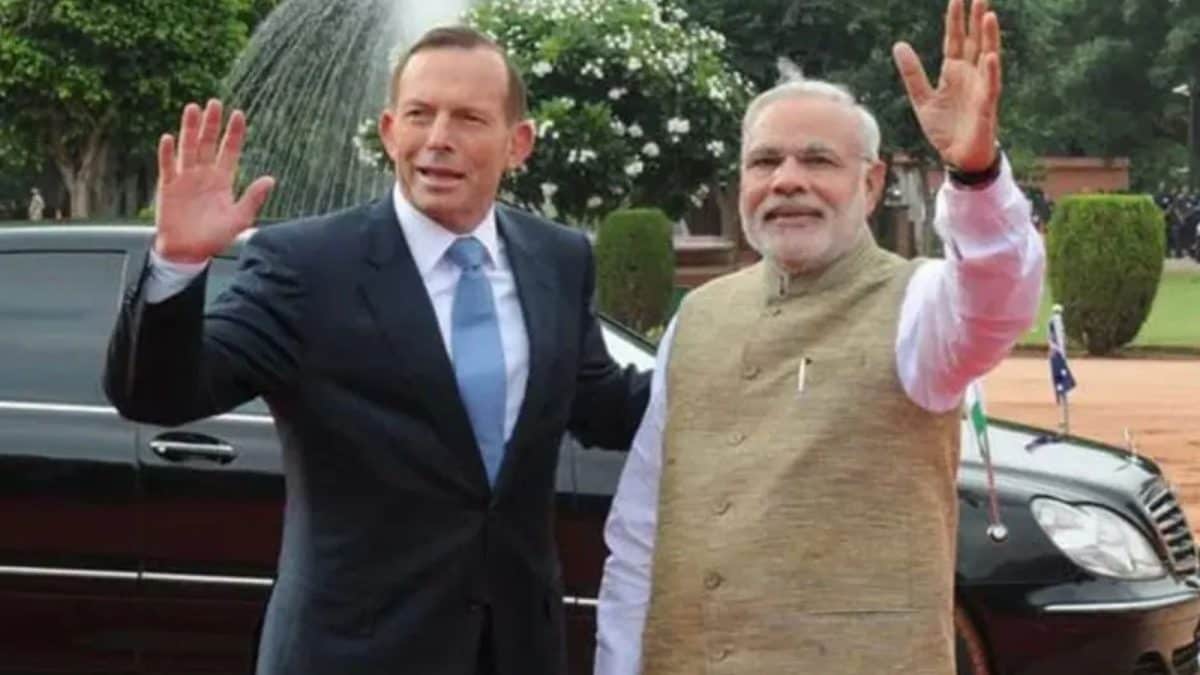
Last Updated:March 13, 2026, 12:33 IST Abbott made the remarks while reflecting on his experience at the Raisina Dialogue, India’s flagship global conference on geopolitics and geoeconomics, held annually in New Delhi. Former Australian prime minister Tony Abbott with PM Modi | File Image Former Australian prime minister Tony Abbott dismissed claims that India has become an authoritarian state under the Bharatiya Janata Party (BJP), calling the argument “total bullsh*t”. Abbott made the remarks while reflecting on his experience at the Raisina Dialogue, India’s flagship global conference on geopolitics and geoeconomics, held annually in New Delhi. The forum, he said, stands out among international gatherings for encouraging open debate rather than serving as an exercise in deference to the host government. “And as for this notion that India, under the BJP, has somehow become an authoritarian state, that’s total BS. No country with free and fair elections, a riotously free media, and a robustly independent judiciary is in serious danger of dictatorship,” he said. “And no dictatorship would host a global conference where nothing is …

Chief of Defence Staff| India News

Chief of Defence Staff| India News

Chief of defence staff General Anil Chauhan on Saturday said artificial intelligence will shape future warfare and help the armed forces make timely and right decisions to emerge victorious in conflicts. He added that running AI systems for the military will require dedicated power in the future. “AI will play a major role in warfare tomorrow, and so will autonomous systems,” General Anil Chauhan said. (ANI) Speaking at the Raisina Dialogue 2026, he said AI is already playing a major role in ongoing conflicts, including decision support, targeting, and ISR (intelligence, surveillance and reconnaissance). Also Read | Era of few powers shaping world is over, multipolarity here: Jaishankar at Raisina Dialogue “Military might was so far based on platforms such as aircraft, tanks, and ships/submarines, but today you also need data, networks, integration and intelligence. AI will play a major role in warfare tomorrow, and so will autonomous systems,” Chauhan said in a session themed “Tech Triad: Power, Autonomy and Energy in the Data-centric Age.” The CDS touched on how AI will help military commanders …

‘India Will Determine Its Rise’: Jaishankar Pushes Back Against US Official’s Remarks | World News

‘India Will Determine Its Rise’: Jaishankar Pushes Back Against US Official’s Remarks | World News

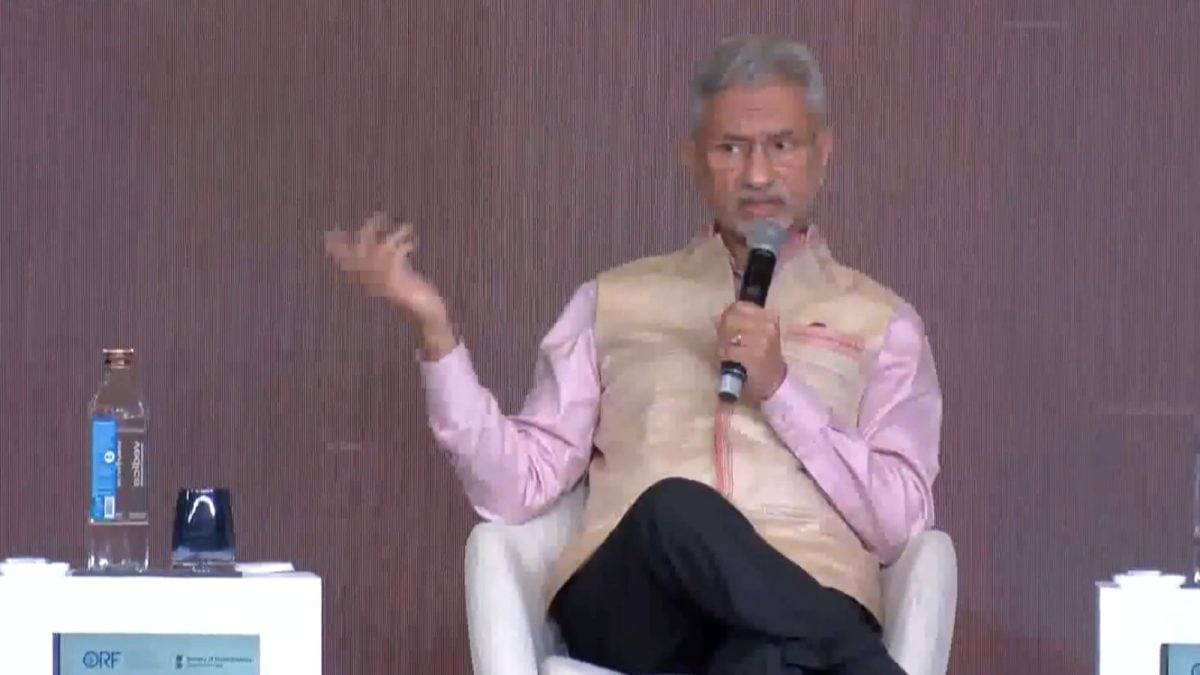
Last Updated:March 07, 2026, 14:38 IST The Indian govt has maintained that its energy procurement decisions are driven only by market conditions and global developments, with the aim of safeguarding energy security. External Affairs Minister S. Jaishankar speaks at Raisina Dialogue 2026. (ANI) Days after a senior US official said Washington would not allow India to emerge as an economic rival like China, External Affairs Minister S. Jaishankar on Saturday said India’s rise on the global stage would be shaped primarily by its own capabilities rather than by the errors of other countries. Speaking at the Raisina Dialogue, Jaishankar said, “The rise of India will be determined by India… It will be determined by our strength, not by the mistakes of others.” His remarks came amid wider discussions on global economic competition and strategic partnerships, including comments by Christopher Landau, who recently said Washington would avoid repeating its past economic approach toward China. “We’re not going to make the same mistakes with India that we made with China 20 years ago in terms of saying, …

India will chart its own rise, Jaishankar pushes back against US official’s remarks| India News

India will chart its own rise, Jaishankar pushes back against US official’s remarks| India News

New Delhi: Days after a senior American official said that the US will not allow India to become an economic rival like China, external affairs minister S Jaishankar pushed back on Saturday by saying that India’s rise is “unstoppable” and the country alone will determine the trajectory of its growth on the basis of its strengths. External Affairs Minister Jaishankar says India alone will chart its growth and global influence (@ORFDelhi) Jaishankar made the remarks during a discussion at the Raisina Dialogue, two days after US deputy secretary of state Christopher Landau said at the same forum that his country will not repeat the mistake of providing India the same type of economic advantages it gave China, allowing Beijing to emerge as a key competitor. “When we speak today about the rise of countries…the rise of countries is determined by the countries. The rise of India will be determined by India,” Jaishankar said while participating in the discussion on cooperation among countries of the Indian Ocean region. “It will be determined by our strength, not by …

Jaishankar at Raisina Dialogue| India News

Jaishankar at Raisina Dialogue| India News

New Delhi: The era of a few major powers shaping the global landscape through deals and compacts is over and multipolarity is here to stay, external affairs minister S Jaishankar said at the Raisina Dialogue on Friday. Jaishankar at Raisina Dialogue: Multipolar world replacing old global order, era of big power deals is over (PTI) Participating in a discussion on Finland President Alexander Stubb’s book “The Triangle of Power”, which explored the rise of the Global South and new power configurations, Jaishankar said power is distributed across several regions, preventing a handful of countries from dictating outcomes to the rest of the world. “My sense is you’re going to have a future which will be much more multipolar because no country today has hegemony over so many domains that it is an overall hegemon,” he said. This is not just about the distribution of GDP and capabilities, and various regions of the world will be “more contributive” in different domains, he said. “Multipolarity is here to stay. What we will have…is to some extent, some …

‘Won’t Make China-Like Mistake’: US Official Stresses ‘America First’ In India Trade Deal | World News

‘Won’t Make China-Like Mistake’: US Official Stresses ‘America First’ In India Trade Deal | World News

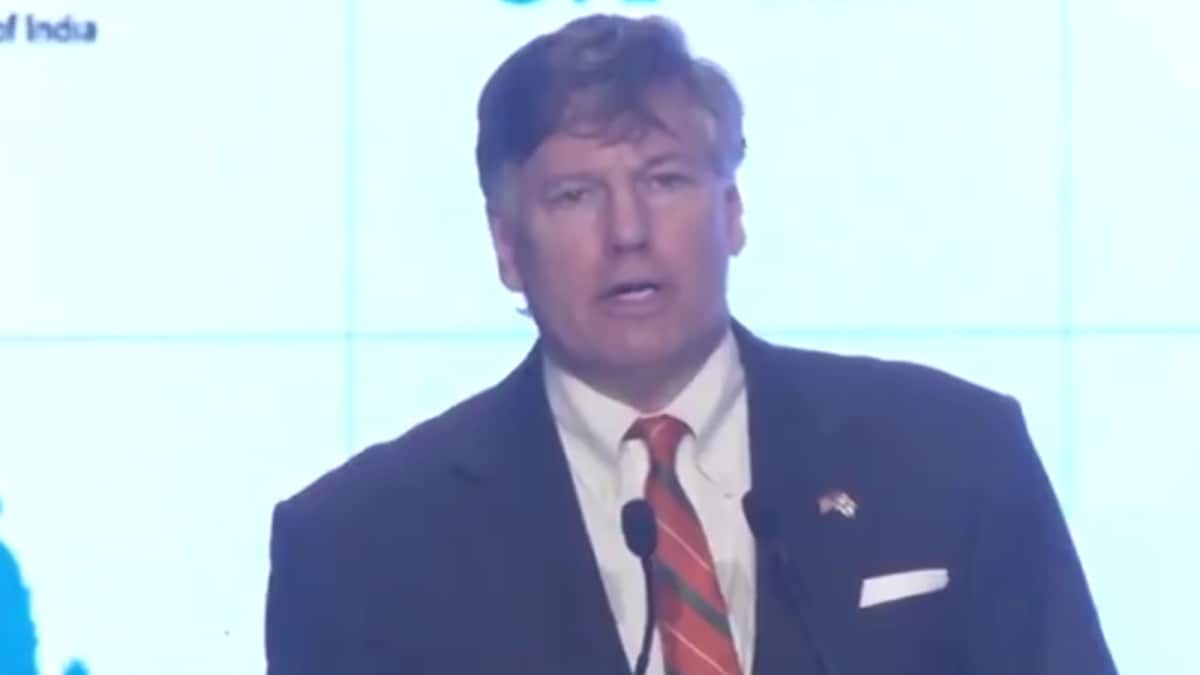
Last Updated:March 06, 2026, 10:43 IST US Deputy Secretary of State Christopher Landau stated that the US will prioritise national interests in the trade deal with India. US Deputy Secretary of State Christopher Landau speaking at the Raisina Dialogue 2026. (X) US Deputy Secretary of State Christopher Landau has said that Washington will prioritise its national interests in the proposed trade deal with India and avoid repeating the mistakes it believes it made with China two decades ago. While speaking at the Raisina Dialogue in New Delhi on Thursday, Landau stressed that Washington’s approach to economic engagement with India would be guided by the “America First” principle while still aiming for a mutually beneficial partnership. He said that the US had learned lessons from its economic engagement with China and would approach trade with India differently. “India should understand that we are not going to make the same mistakes with India that we made with China 20 years ago… Then the next thing we know, you are beating us in many commercial things…” he said …

‘Like it or not, they are a reality’: EAM Jaishankar on the use of tariffs, sanctions

‘Like it or not, they are a reality’: EAM Jaishankar on the use of tariffs, sanctions

External Affairs Minister S. Jaishankar highlighted the reality of there being increased use of tariffs and sanctions by various countries to protect one’s economic interests | Photo Credit: ANI External Affairs Minister S. Jaishankar highlighted the reality of there being increased use of tariffs and sanctions by various countries to protect one’s economic interests, and that developing International relations has “eroded” the lines which divide the different domains across countries. “Tariffs, sanctions, I think, whether we would like it or not they are a reality, countries use them. In fact, if one looks at the last decade, I would say we have seen a much greater weaponization of pretty much any kind of capability or any kind of economic activity. It could be financial flows, it could be energy supplies, it could be technology,” EAM Jaishankar said, as he was asked on India’s refusing to use tariffs and sanctions on other countries. Mr. Jaishankar made the remarks during the panel discussion “Commissars and Capitalists: Politics, Business and New World Order,” during the Raisina dialogue held in …

Explained: Europe and the new America | Explained News

Explained: Europe and the new America | Explained News

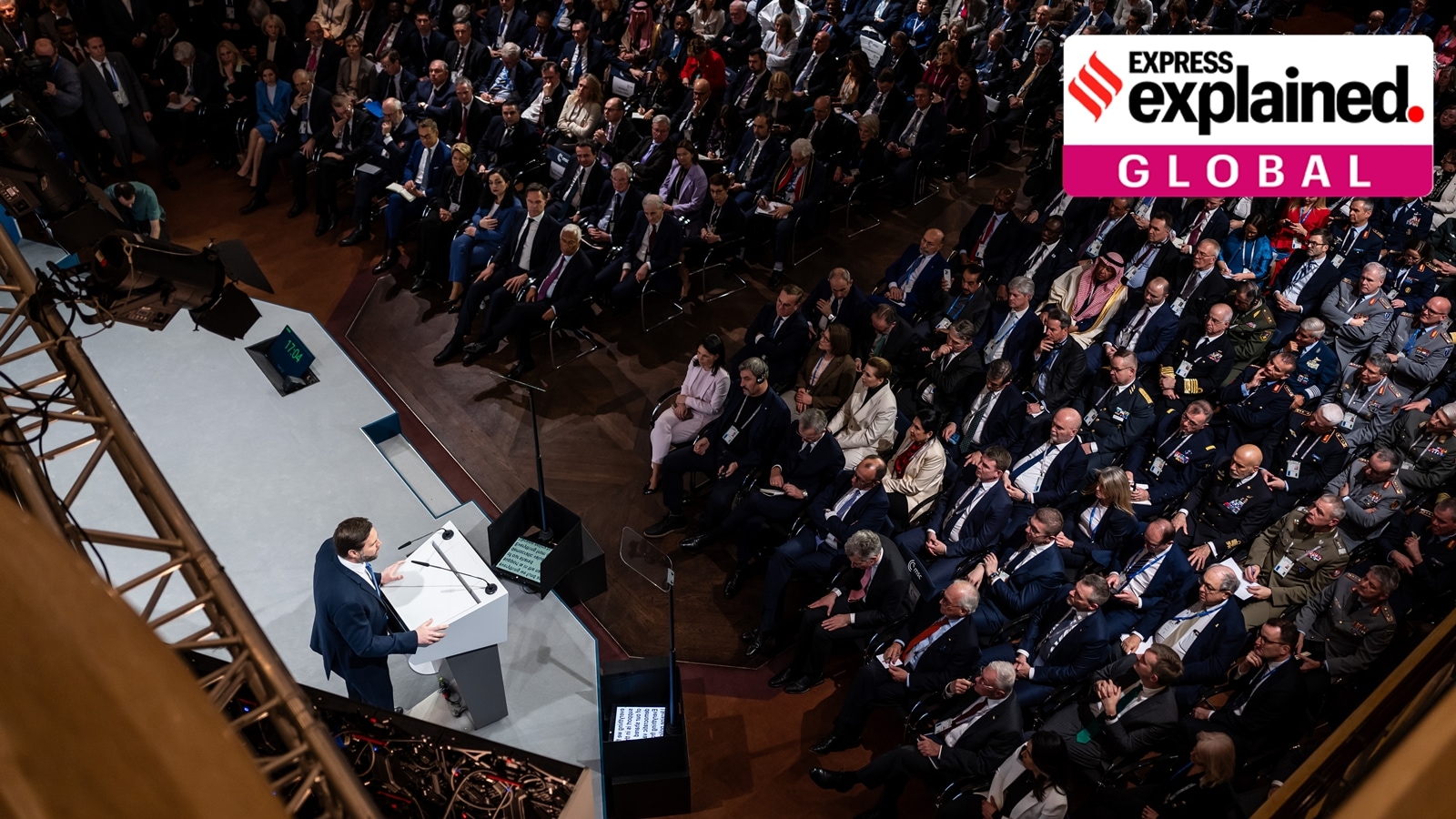
The February 14 speech by United States Vice President J D Vance at the Munich Security Conference (MSC) stunned Europe and put the transatlantic partnership under unprecedented stress. But it also carried important lessons for Europe — and for the world. We had expected his speech to be disruptive, but we expected a different kind of disruption. We were expecting something along the lines of the US withdrawing troops from Europe or doing something similarly policy-based. The fact that he went for our common values took virtually everyone by surprise. Story continues below this ad But I keep telling people that if you judge a speech by whether it achieves its intended outcome, then this was a very good speech, because it freaked out the Europeans and it bolted them into action. You’ve seen a couple of emergency meetings since then, emergency legislation, and it has really, really, really achieved its intended purpose, to get Europeans to do more for their own security. The problem is whether it has destroyed some of the trust that …

Amid global uncertainties, global spy chiefs converge in Delhi

Amid global uncertainties, global spy chiefs converge in Delhi

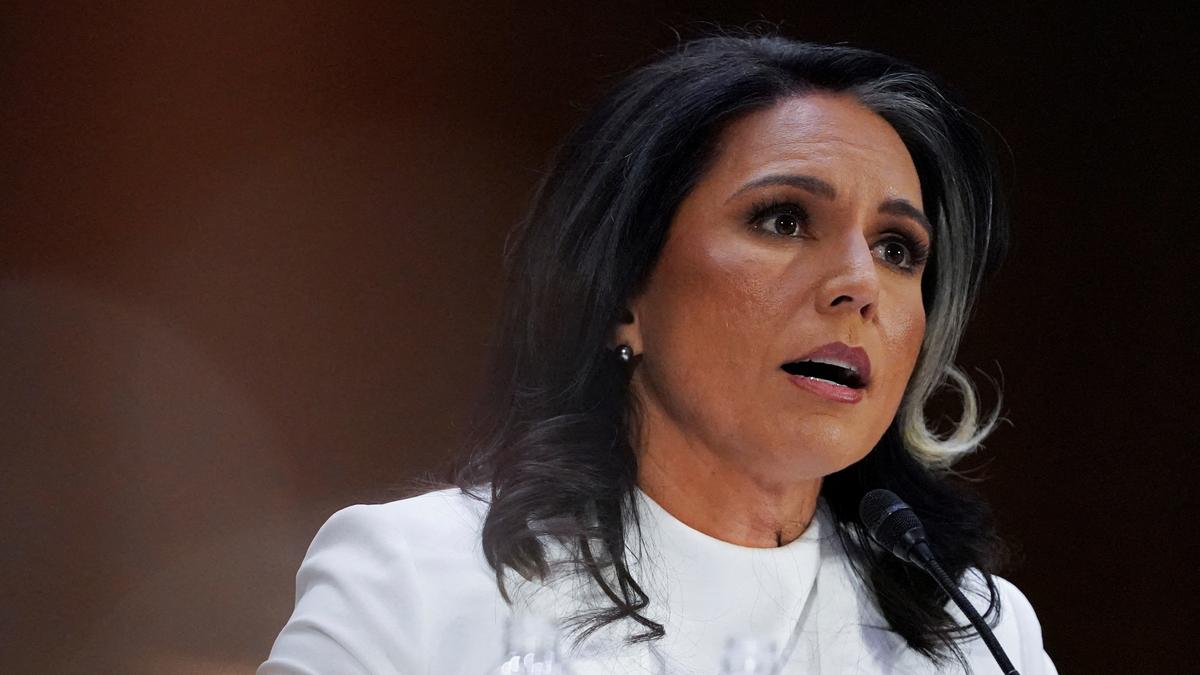
File photo of U.S. Director of National Intelligence Tulsi Gabbard. | Photo Credit: Reuters Global challenges and intelligence-sharing mechanisms, as well as immigration and extradition, were among a host of issues discussed at the fourth conference of global intelligence and security chiefs hosted by National Security Advisor Ajit Doval on Sunday (March 16, 2025). The meeting had over 28 attendees, according to official sources. The conference is usually held a day before the annual three-day Raisina Dialogue, which is scheduled this year from March 17 to 19. This year’s conference and the Dialogue are being held amid the global uncertainties caused by U.S. President Donald Trump’s policies and the resultant ripple effects in major issues across the globe. “The top points on the agenda were counterterrorism, Indo-Pacific cooperation, global challenges, global security and intel-sharing mechanisms, immigration and extradition, and transnational crimes, narcotics and terror funding,” an official source in the know said. Intelligence sharing on transnational crimes and counterterrorism were the key issues for India, another official said. Around 20 countries were represented at the …