

Myanmar earthquake: India’s National Centre for Seismology says soil liquefaction caused severe damage
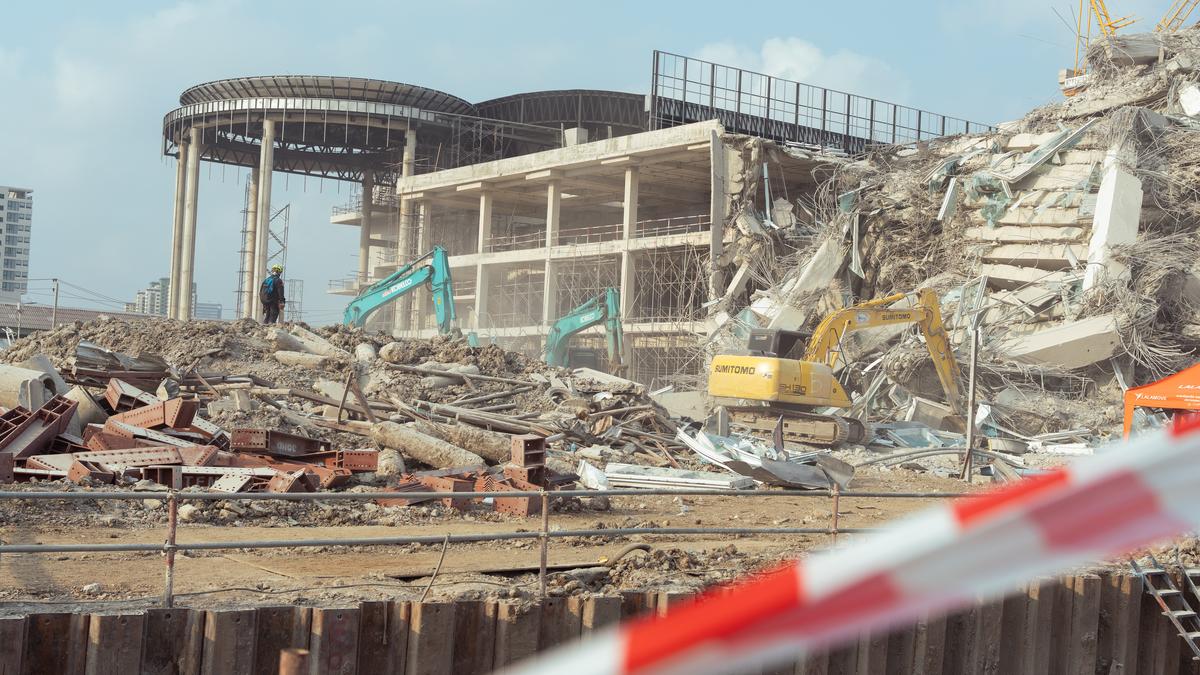
Rescuers resume operations at the Chatuchak site of a skyscraper collapse on March 29, 2025 in Bangkok, Thailand. In the aftermath of the 7.3 magnitude earthquake that struck Myanmar, Bangkok finds itself in an unprecedented state of paralysis on March 28, 2025. | Photo Credit: Getty Images India’s earthquake monitoring agency, the National Centre for Seismology (NCS), has said the earthquake that hit Myanmar and Thailand on Friday (March 28, 2025) afternoon caused severe damage because its shaking matched the natural vibration of buildings. Soil liquefaction was also a major cause of the damage, said O.P. Mishra, head of the NCS. Soil liquefaction happens during a strong earthquake, when the ground starts acting like a liquid instead of solid land. This usually occurs in places with loose, wet soil like sandy areas near rivers or the coast. When the earthquake shakes the ground, the water between the soil particles pushes them apart, making the soil lose its strength. As a result, buildings, roads and other structures may sink, tilt or collapse, Mr. Mishra explained. Thailand’s …