Shashi Tharoor writes: Why an 850-seat Lok Sabha threatens Indian democracy
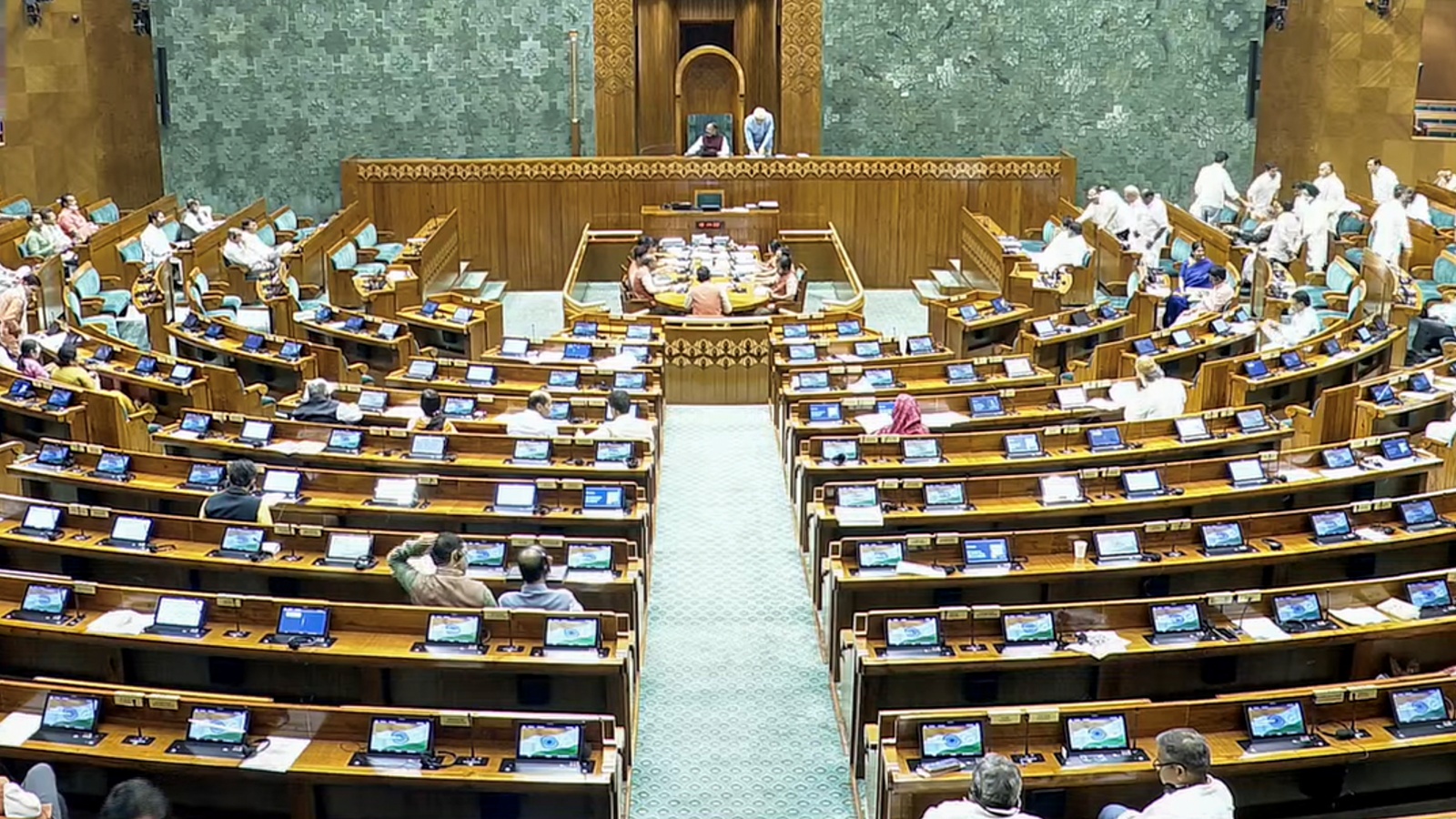
The government’s seeming determination to proceed with a revised delimitation that drastically increases the size of the Lok Sabha to 824 or 850 seats marks a disastrous watershed in India’s institutional architecture. The underlying justification offered by the government is purely mathematical: The size of the Lower House cannot remain frozen at the 543-seat limit established in 1972, since when the nation’s population has more than doubled. Yet, beneath this seemingly democratic argument lies a profound hazard. Amid all the other major challenges of the looming delimitation exercise — notably the severe political and federal friction caused by penalising southern states for successful population control, while disproportionately rewarding the northern Hindi heartland for its failures — a basic question remains unaddressed: Does it make any sense to have a legislature so massive and structurally unwieldy? No established democracy does. Every mature democratic system recognises that a Parliament must be capped at a size that permits genuine legislative scrutiny, cohesive debate, and individual member participation. By choosing to push the Lok Sabha towards 850 seats (a …