All posts tagged: space travel

Pulsar Fusion’s Nuclear Fusion Rockets May Revolutionise Space Travel

Pulsar Fusion’s Nuclear Fusion Rockets May Revolutionise Space Travel

A UK-based company has announced plans for nuclear fusion-powered rockets that could reduce travel time across the solar system. Pulsar Fusion has been working on the project in secrecy for a decade and recently introduced the concept at the Space-Comm Expo in London. The company aims to test the technology this year and conduct an orbital demonstration by 2027. The rockets, called Sunbirds, are designed to propel spacecraft at high speeds using nuclear fusion. Experts believe that if the technology works, it could transform space exploration. However, some remain sceptical about its feasibility. Technology Behind the Sunbird Rockets As reported, the rockets will use a Duel Direct Fusion Drive (DDFD) engine. This system is designed to generate thrust by fusing deuterium and helium-3. Unlike conventional fusion reactors, the DDFD would produce charged particles that could be directly used for propulsion. The company claims that this technology could cut the journey to Mars in half and reduce the travel time to Pluto to just four years. However, the fusion process has not yet been successfully tested …
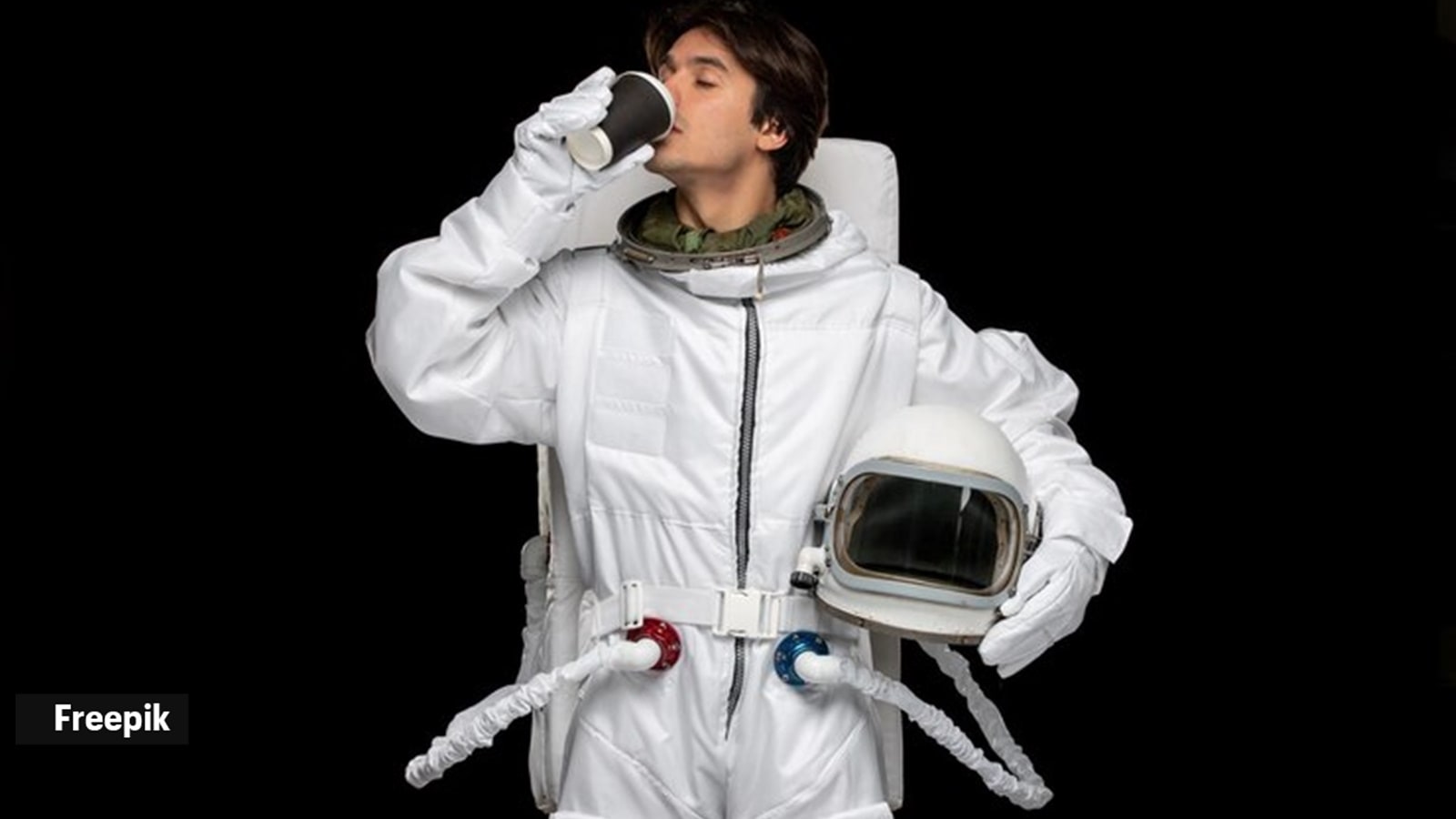
Here’s how many calories astronauts need in space to stay energetic, fit | Food-wine News

Here’s how many calories astronauts need in space to stay energetic, fit | Food-wine News

Just like on Earth, where a reduction in calorie intake affects body weight, the same happens in space. Experts say the effect is compounded with microgravity or very little gravity. “Microgravity can affect bone and muscle turnover. There is rapid caloric loss and protein deficiency coupled with nutritional deficiency, which can lead to a shift in fluid and electrolyte balance in prolonged stay in space,” said Dr Rajiv Kovil, head of diabetology, Zandra Healthcare and co-founder of Rang De Neela Initiative. He added that being in space causes astronauts to burn calories quickly and lose some critical nutrients with prolonged stay. “On Earth, we don’t usually think about gravity helping our muscles and bones stay healthy, but it’s always there, gently pulling us down and giving our bodies a natural workout. Without this constant pull, the body has to work harder in space, which uses more energy and nutrients,” elaborated Dr Kovil. Without strong gravity, Dr Kovil explained that astronauts’ bones and muscles don’t get as much exercise as they do on Earth, so they start …