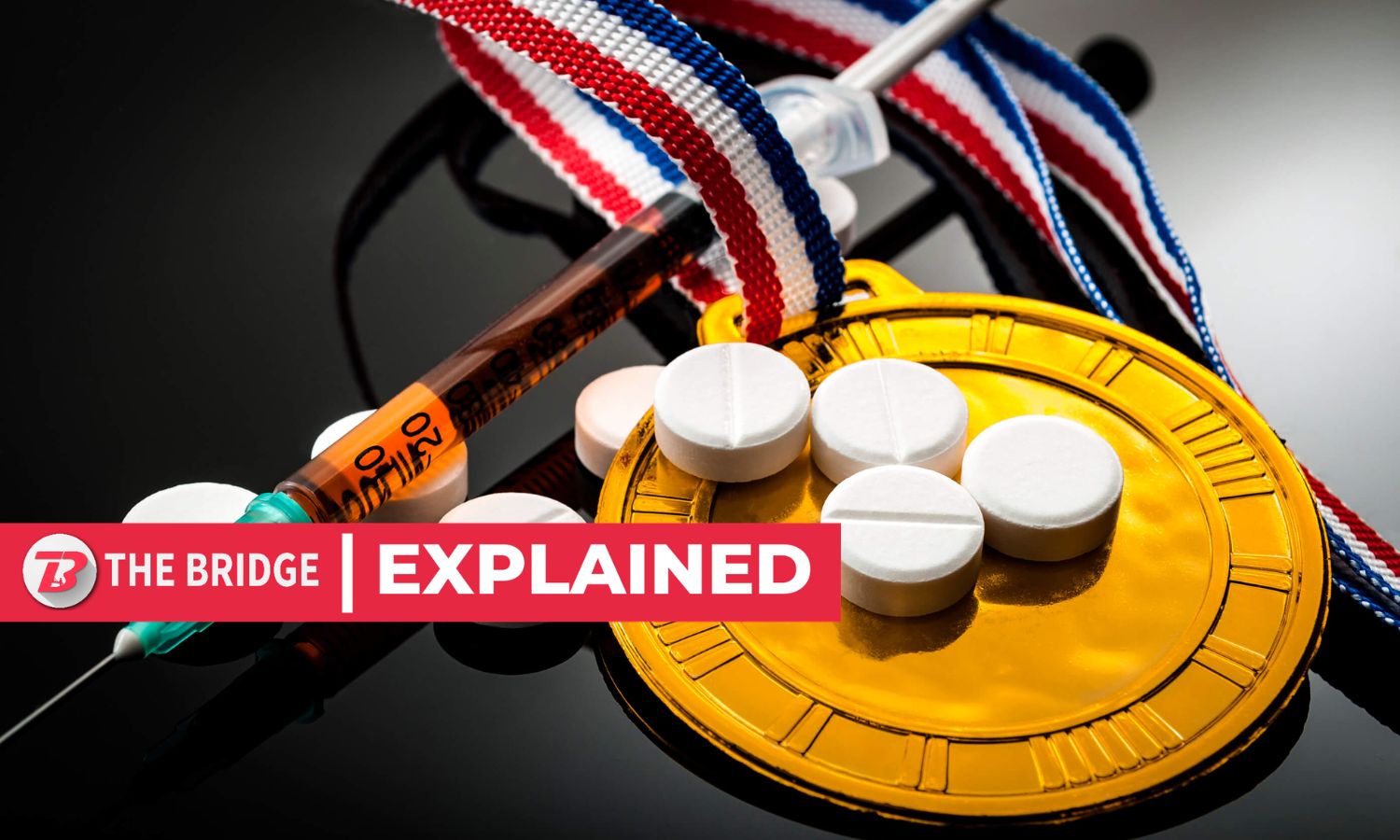
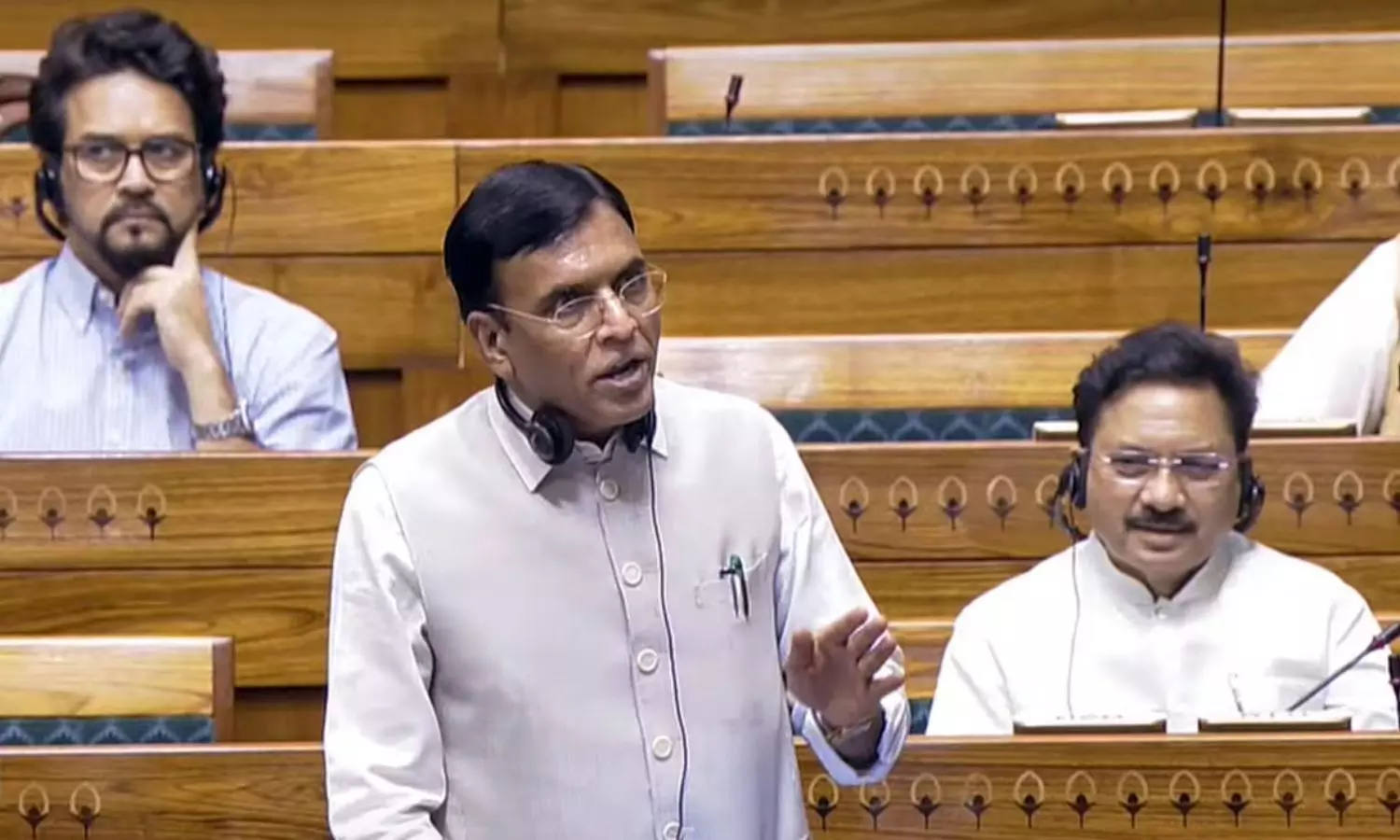
India is preparing for a major shift in how it tackles doping in sport. The Ministry of Youth Affairs and Sports has placed proposed amendments to the National Anti-Doping Act, 2022, in the public domain for consultation, seeking to criminalise organised doping-related activities such as trafficking, illegal supply, administration and commercial promotion of banned substances. The consultation process will remain open until June 18, 2026. At the heart of the proposal is a clear message: the government no longer wants anti-doping enforcement to focus only on athletes who test positive. Instead, it wants to target the wider ecosystem that enables doping, traffickers, illegal suppliers, organised syndicates, unscrupulous coaches, support personnel and commercial operators profiting from banned substances. The ministry said the proposed amendments are aimed at addressing the “growing organised ecosystem” involved in the trafficking and illegal distribution of performance-enhancing substances and methods in sport. Why is this proposal significant? For years, India’s anti-doping system has largely functioned within the sporting framework. Athletes who failed tests were punished through suspensions, disqualifications, stripped medals and bans …