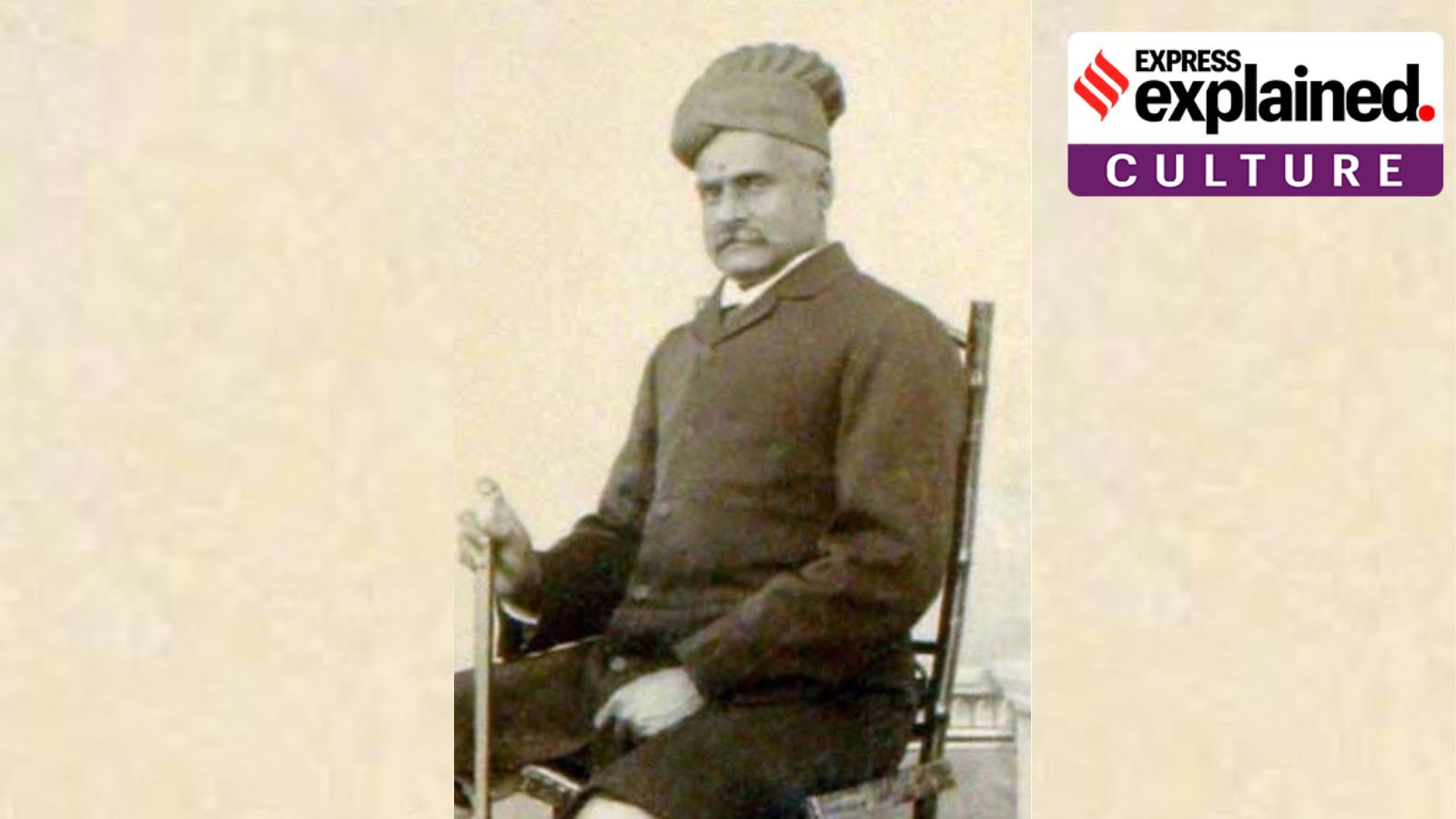
Raja Ravi Varma’s legacy at 178: How his art blended Indian themes with European sensibilities | Explained News
The rarer and less seen an artwork, the higher the price. The rule may stand true for most masters but not Raja Ravi Varma. His 1890 work, ‘Yashoda and Krishna’, which was an everyday feature across Indian households, became the most expensive Indian painting last month, fetching a staggering ₹167.2 crore. By making affordable oleographs of the masterful oil that rendered the divine as human, Ravi Varma’s FAL Press in Bombay made the now record-breaking work accessible. So what was his legacy? Democratising art, cultural iconography or a style that blended Indian themes with European sensibilities? On the artist’s 178th birth anniversary, here’s a look at why his legacy endures, his textured journey and the ecosystem that both celebrated and criticised his talent. Intent and talent Born to an aristocratic family in Kerala’s Kilimanoor, Ravi Varma found painting as his calling as a child. He began training in painting, particularly water colours, in the Travancore palace at 14 under court artist Rama Swami Naidu. He later picked up oil painting techniques by observing British painter …