How ‘Dhurandhar’ trades cinematic nuance for state glorification
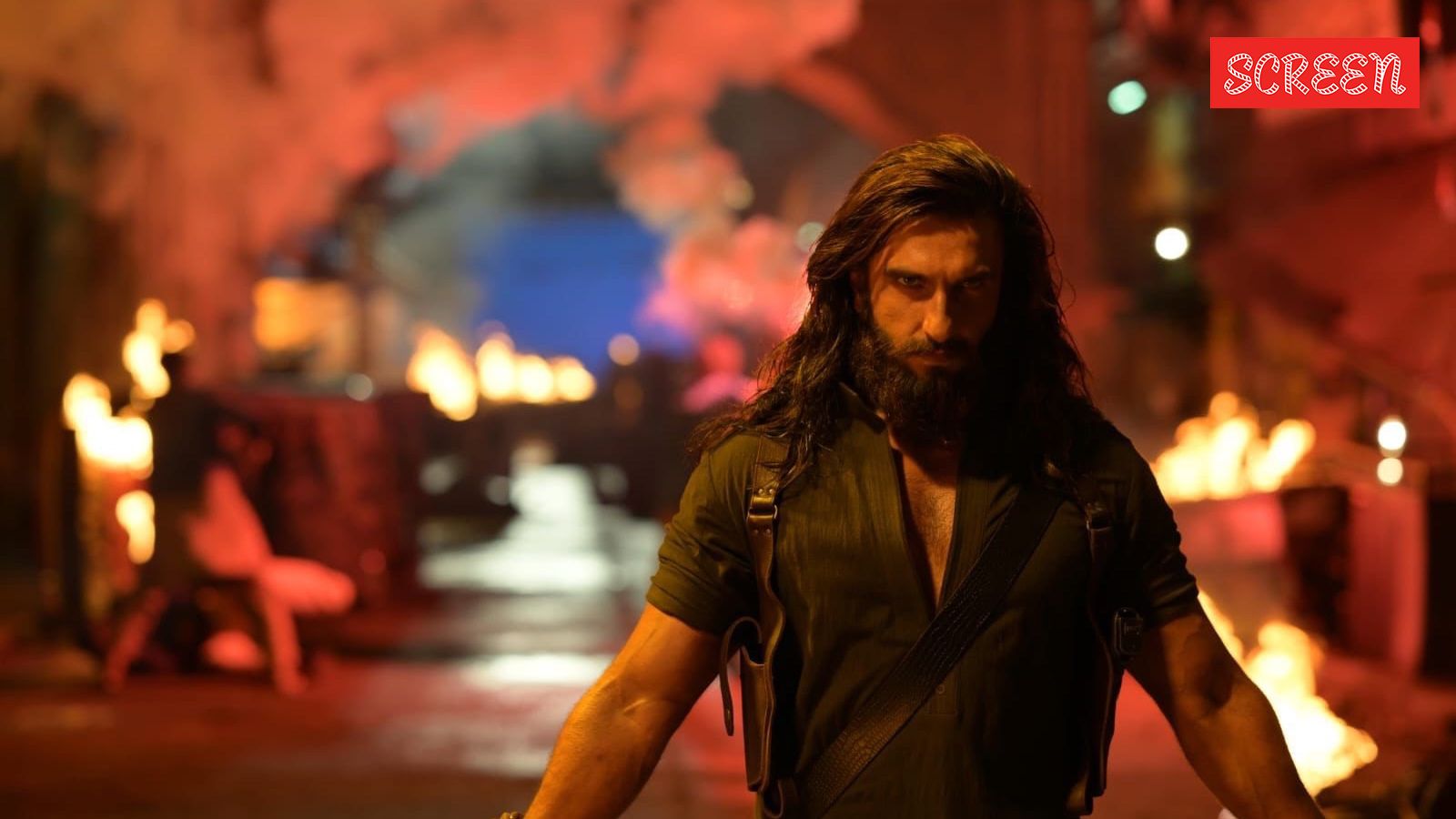
There are two scenes in Aditya Dhar’s Dhurandhar The Revenge that reveal, almost against its own instincts, what it might have been. The first comes just after the interval. Ranveer Singh, as Jaskirat Singh Rangi, stands before the remnants of his past. But in the same breath, he is already being compelled into becoming Hamza, forced to decide the fate of his handler. The second precedes it and belongs to the film’s antagonist, Major Iqbal (Arjun Rampal). If the earlier scene examines becoming, this one concerns unravelling. And, much like Singh, Rampal is divided between two failures: as a son before a father who withholds approval, and as a commander before a nation that demands certainty he is unable to provide. Both scenes settle into that uneasy space between the personal and the professional. Both scenes hint that what should be duty is contaminated by memory, what should be private has already been weaponised. Both scenes ask the film, if only briefly, to abandon its posturing, to relinquish its appetite for bloodshed, and to simply …