Look who’s calling? In the digital age, Indians need a ‘right to know the contactor’
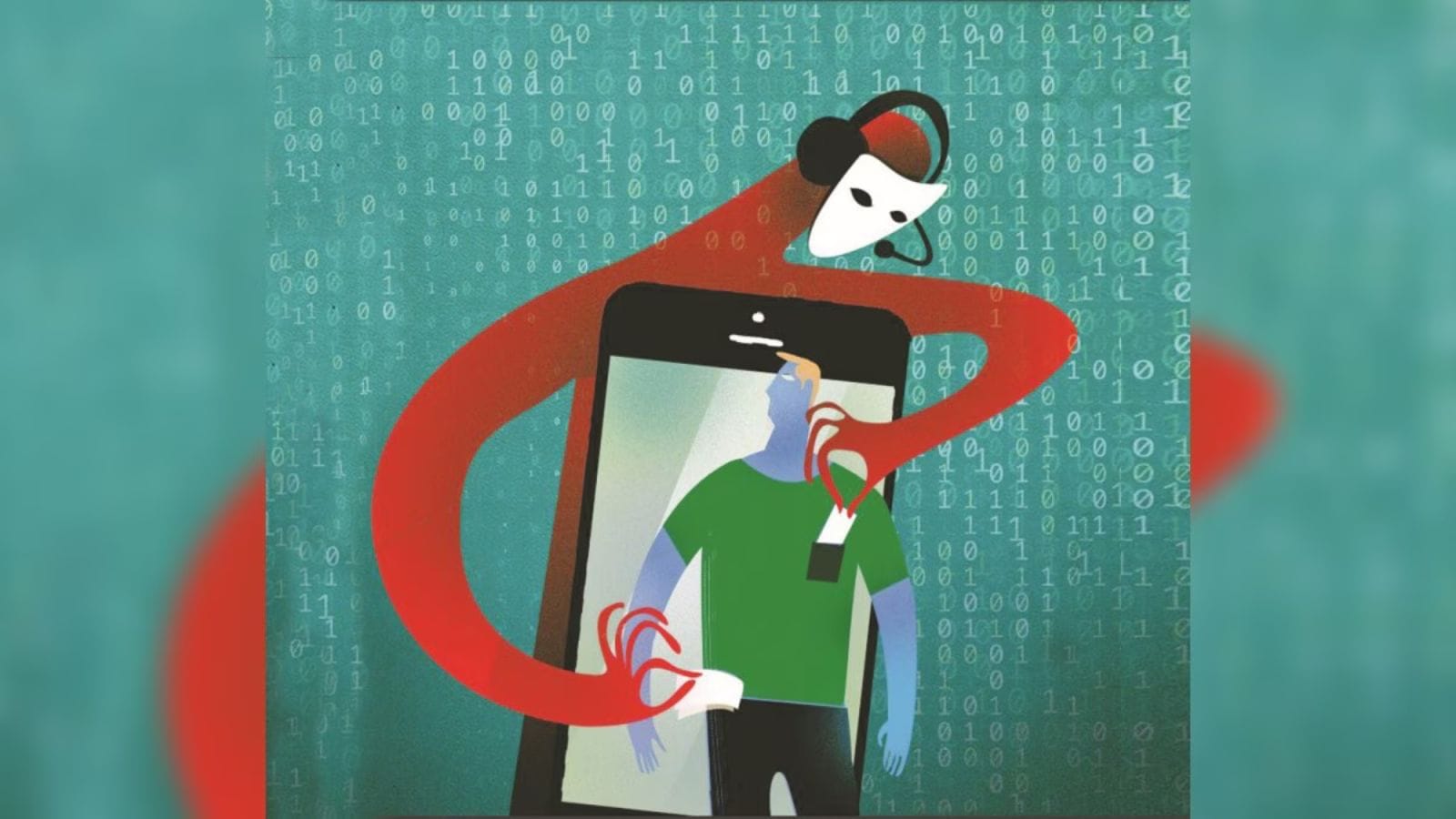
4 min readJul 31, 2026 06:07 PM IST First published on: Jul 31, 2026 at 06:06 PM IST Whenever we approach a person, organisation, or the public, we normally introduce ourselves. We tell others who we are before asking for their attention, trust, money, or cooperation. This simple social convention is one of the foundations of civilised society. Yet, every day, billions of people receive phone calls, emails, text messages, social media invitations, advertisements, business offers, investment opportunities, and countless other communications from entities whose true identities remain unknown or unverifiable. Perhaps it is time to ask a fundamental question: Should every human being have the “right to know the contactor”? If someone deliberately conceals or falsifies their identity while initiating contact, only a limited number of explanations are plausible. They may be a scammer or other malicious actor. They may be a government agent conducting lawful surveillance or an intelligence operative acting on behalf of a foreign state. Or they may fear that revealing their identity could expose them to harassment, discrimination, retaliation, or …