

Volcanoes are ecologically sensitive areas that often witness the wrath of nature. With an unstable landscape, warm temperatures, and the release of toxic gases, these areas are as unique as they are bizarre.
These volcanic regions of the world host a range of unique species that have evolved and adapted to these remarkable habitats. Here are 10 you must know about:
Land Iguana
These large cousins of the lizard are native to the Galapagos islands, thriving in intense volcanic terrains. They use the warmth from these volcanic rocks to regulate warmth inside their body. They can detect volcanic activity and feed on cactus and vegetation.
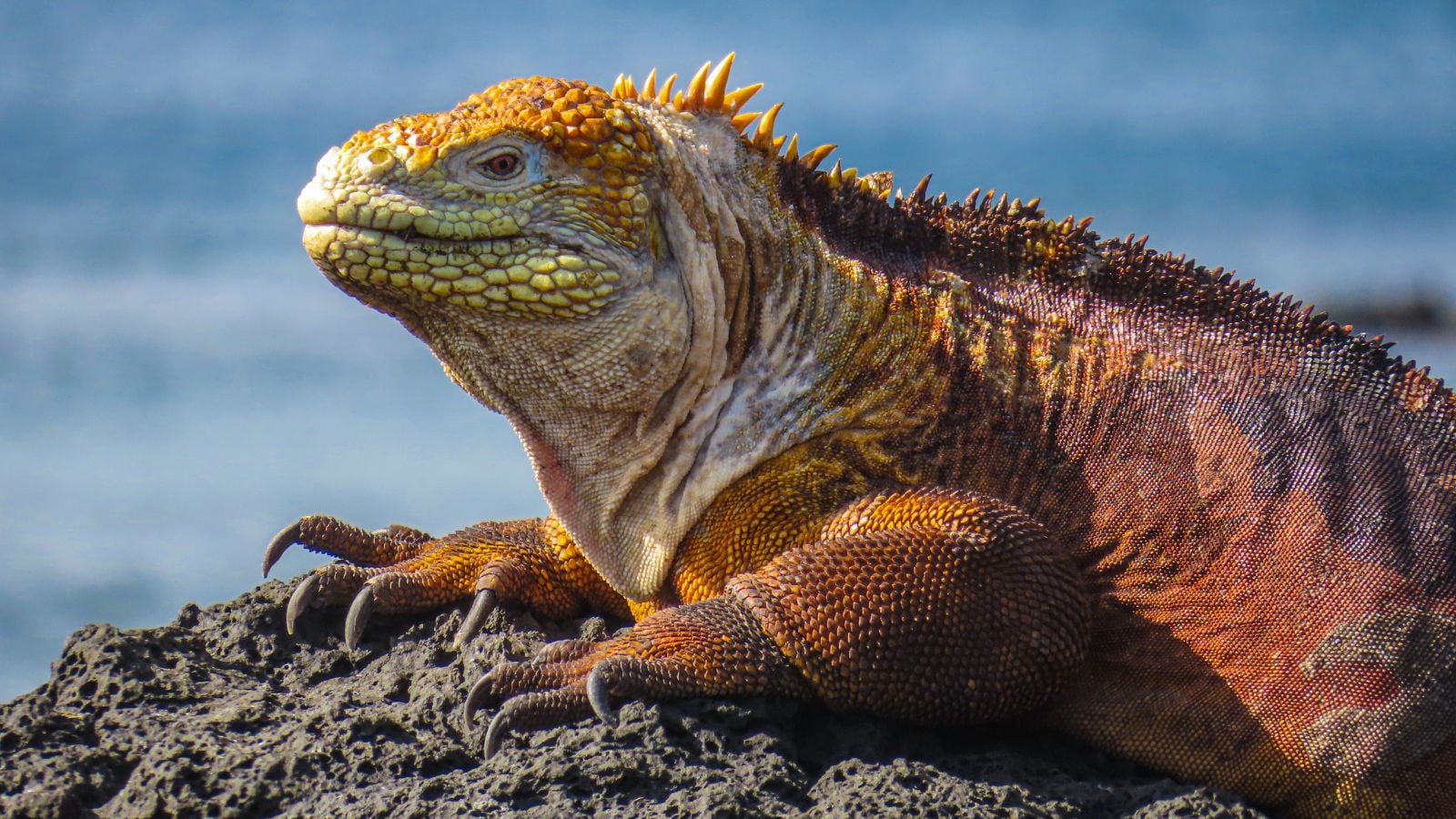 The land iguana can detect volcanic activity and feed on cactus and vegetation. (Source: Canva)
Lesser Flamingo
The lesser flamingo inhabits extremely saline lakes like Lake Natron and feeds on cyanobacteria that flourish in such locations. Its unique evolution allows it to survive in salinity levels that would be lethal to all conventional species.
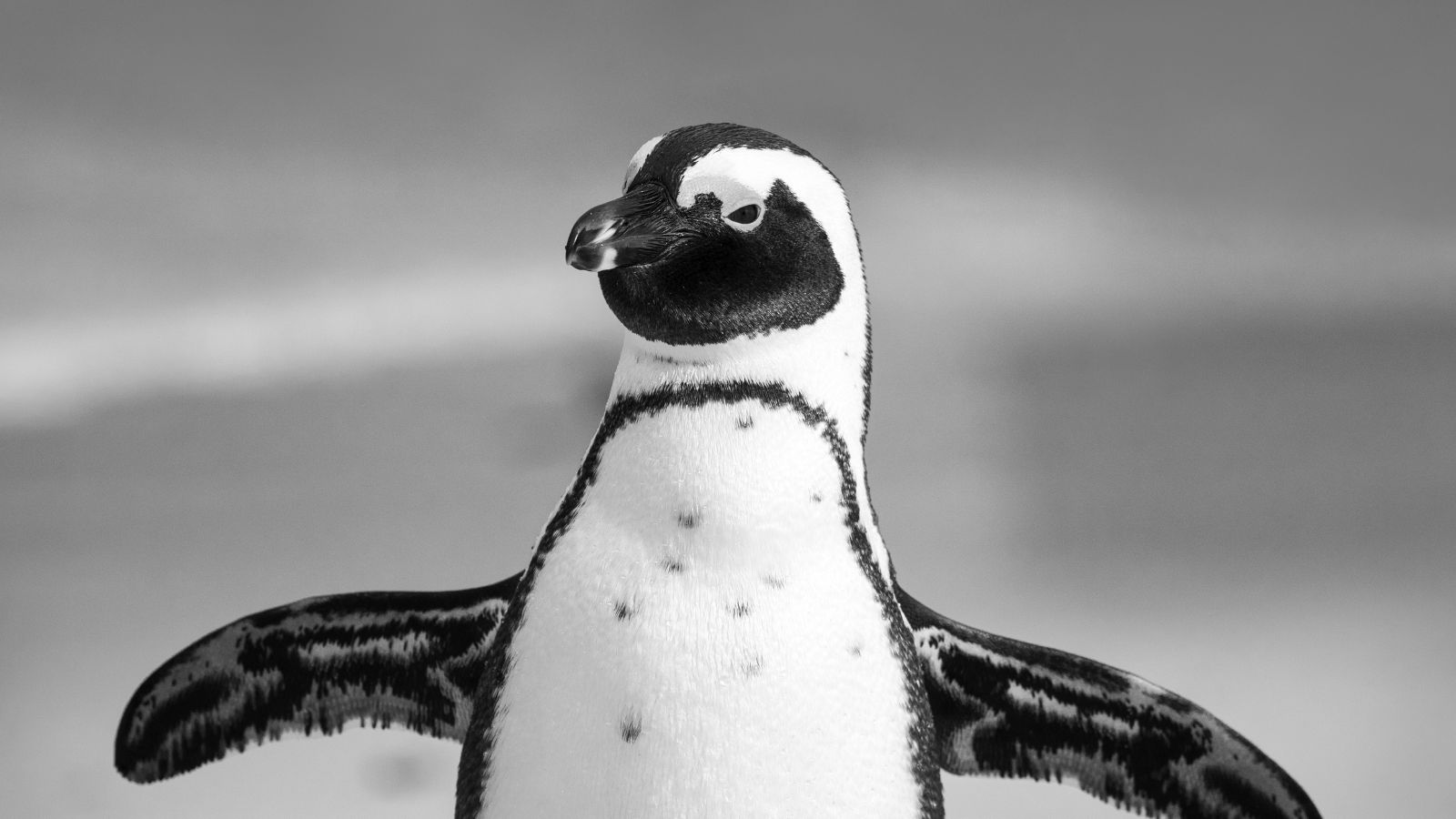
Jackass Penguin
The Jackass penguin, also known as the African penguin is known to live on the shores of volcanic islands. They use their surrounding rocks to nest and protect themselves from potential predators.
Hawaiian Blackfoot Limpet
As the name suggests, this marine gastropod is native to the volcanic islands of Hawaii. It uses its strong limbs to stay putin the water, keeping predators at bay and feeding on algae.
Vampire Ground Finch
Living in the unstable terrain of the Galapagos islands, this small bird has evolved to drink the blood of seagulls to supplement its nutritional requirements. It does so in cases of food shortages caused by volcanic activities.
Nene
The nene is a Hawaiian goose that has adapted to the rugged terrain of the volcanic islands of Hawaii. It feeds on local vegetation, living in the harsh conditions of the region with ease.
Pacific sleeper shark
This species of shark lives in deep oceans that are home to active volcanic activity. The Pacific Sleeper Shark has developed the ability to thrive in cold and high-pressure environments, making it a suited inhabitant of underwater volcanic areas.
Salamanders
This species of salamander can use their skin to permeate moisture. Thus, they often benefit from living in geothermal areas that have warm temperatures and abundant moisture.
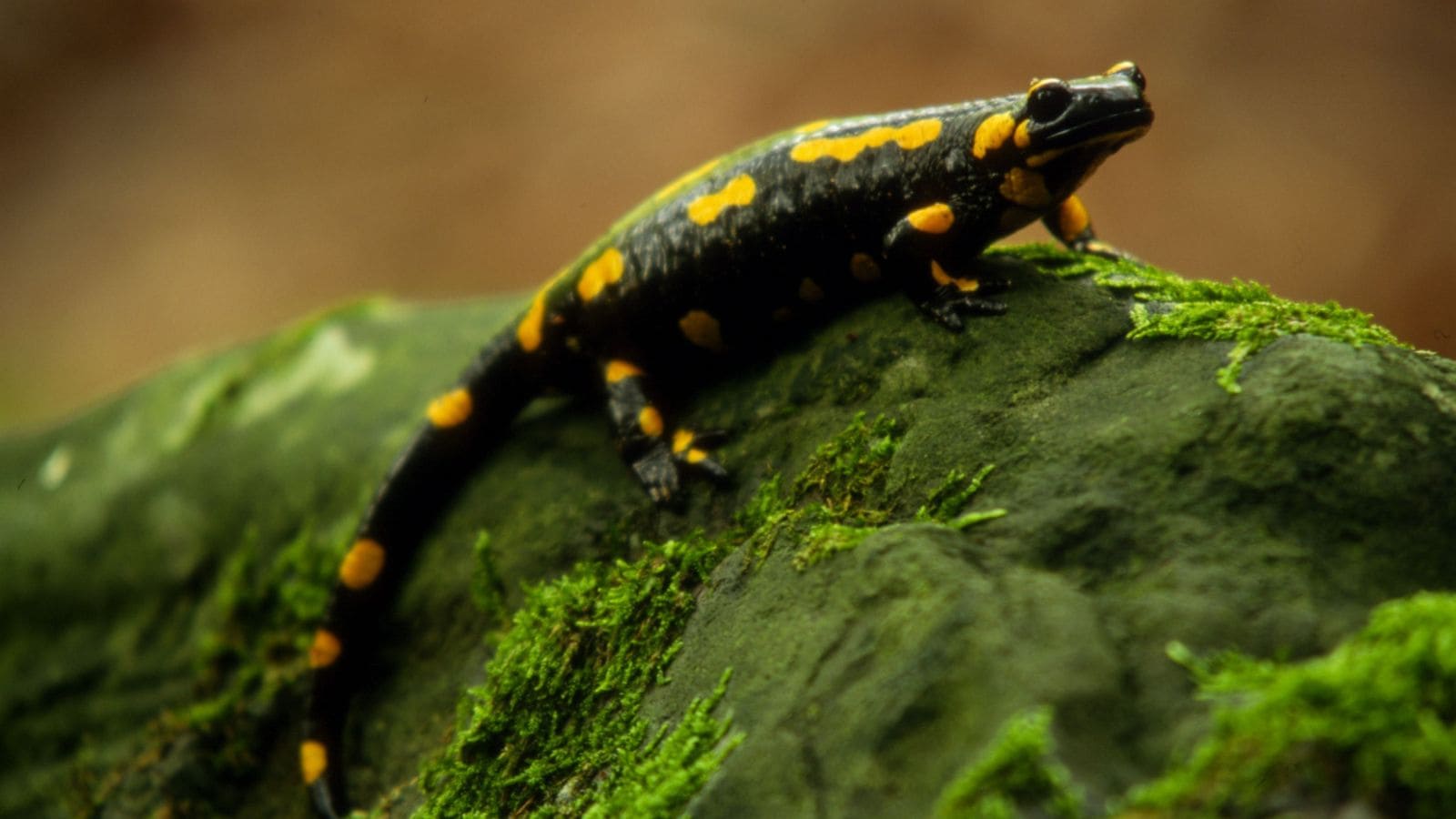 This species of salamander can use their skin to permeate moisture.
Volcano Rabbit
This rabbit has thick fur and inhabits high-altitude volcanic areas. It mainly feeds on grass and leafy vegetation that is found abundantly in mountainous terrain.
Giant Tube Worms
Found in marine geothermal locations, these worms have evolved and adapted to the extreme conditions and temperatures posed by such locations.
Discover the Benefits of Our Subscription!
Stay informed with access to our award-winning journalism.
Avoid misinformation with trusted, accurate reporting.
Make smarter decisions with insights that matter.
Choose your subscription package
📣 For more lifestyle news, click here to join our WhatsApp Channel and also follow us on Instagram
Disclaimer: We do not own any of the content, ideas, images, or text presented here. All rights belong to their respective owners. For more information and to view the original source, please visit the following link: