

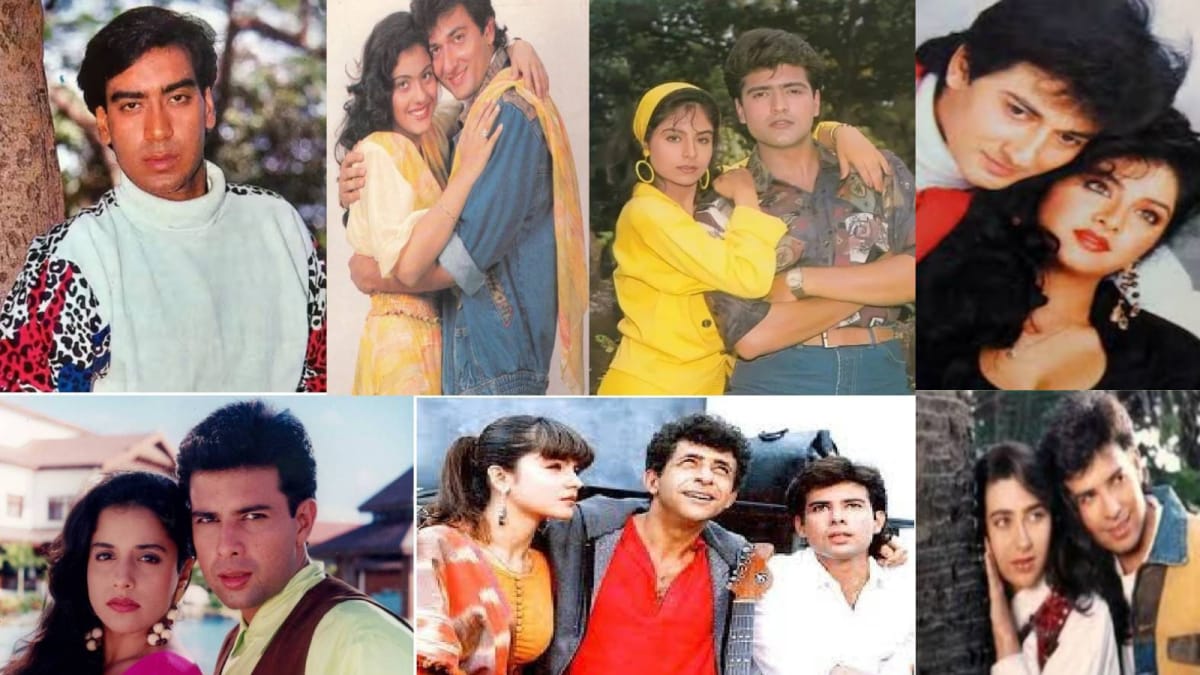
It is often said in Bollywood that luck matters just as much as a good film. Even the strongest scripts can fail, and a flop can alter the careers of directors, actors, and actresses overnight. In the 1990s, four new faces entered the Hindi film industry, yet only one of them rose to superstardom. The other three struggled to find lasting success. These four were Ajay Devgan, Armaan Kohli, Avinash Wadhawan, and Atul Agnihotri.
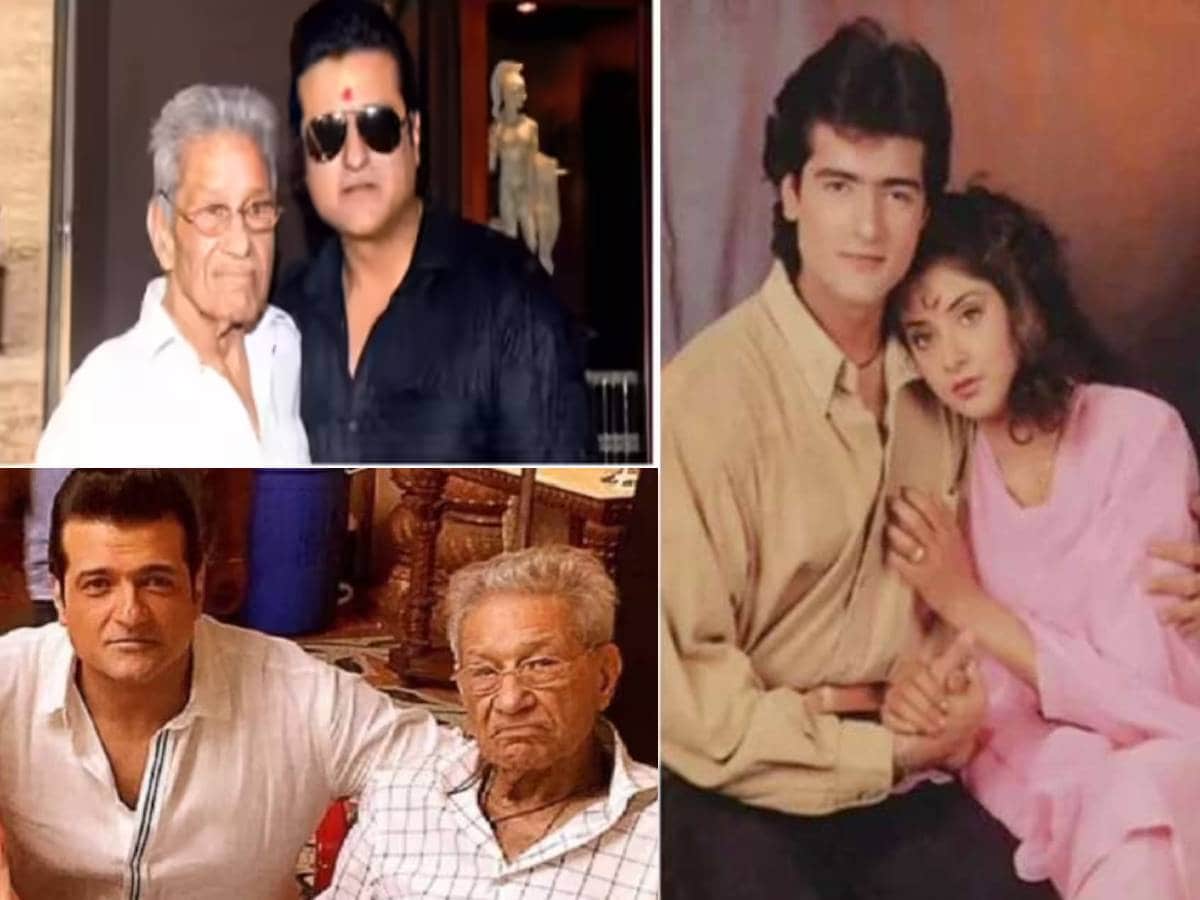
Let us begin with Armaan Kohli. The son of noted director Rajkumar Kohli, known for multi-starrers such as Nagin, Jaani Dushman, Badle Ki Aag, Naukar Biwi Ka, and Raajtilak, Armaan came from a strong film background. He made his debut in 1992 with his father’s film Virodhi, which unfortunately failed at the box office.
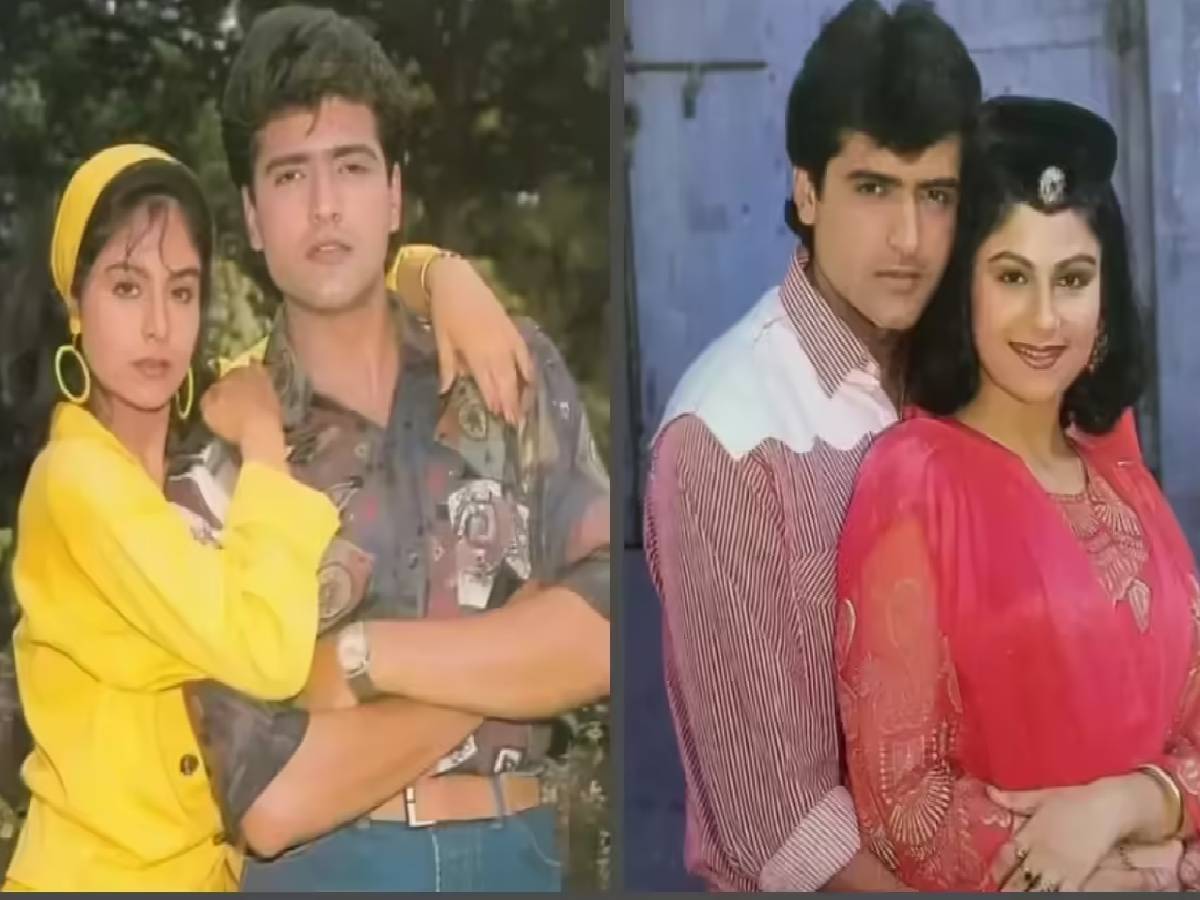
Armaan Kohli had originally been offered Deewana. However, as Rajkumar Kohli was producing Virodhi simultaneously, he insisted that Virodhi be released first. The producers of Deewana, Guddu Dhanoa, Raju Kothari, and Lalit Kapoor, refused. Armaan was dropped from the project, and the role went to Shah Rukh Khan. Deewana became a runaway hit and launched Shah Rukh Khan’s career, while Armaan’s career never recovered. Despite appearing in films such as Dushman Zamana, Anaam, Koyal, Kohra, Aulad Ke Dushman, Juaari, Veer, Kahar, Jaani Dushman: Ek Anokhi Kahani, LOC Kargil, and Prem Ratan Dhan Payo, he was unable to establish himself in Bollywood.
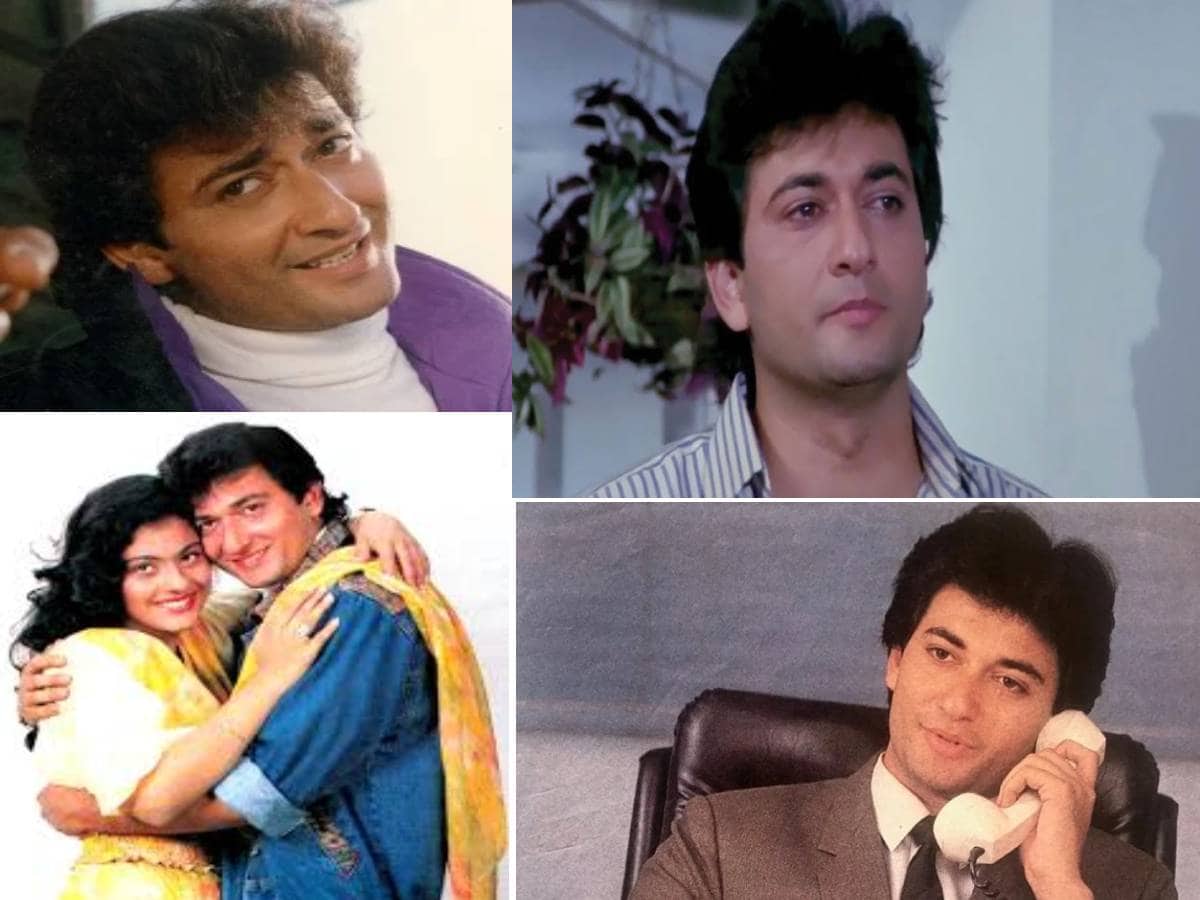
Next on the list is Avinash Wadhawan, one of the most handsome actors of the 1990s. At one point, he achieved stardom even before Shah Rukh Khan and Akshay Kumar. Born in Delhi as Rakesh Wadhawan, he moved to Mumbai to pursue an MBA. Encouraged by friends, he entered modelling and later made his film debut with Pyaar Ho Gaya (1986). He went on to appear in films such as Insaaf Ki Pukar, Aayi Milan Ki Raat, Meera Ka Mohan, Junoon, Geet, Police Aur Mujrim, and Balma. Avinash once claimed he had been offered the film Darr.
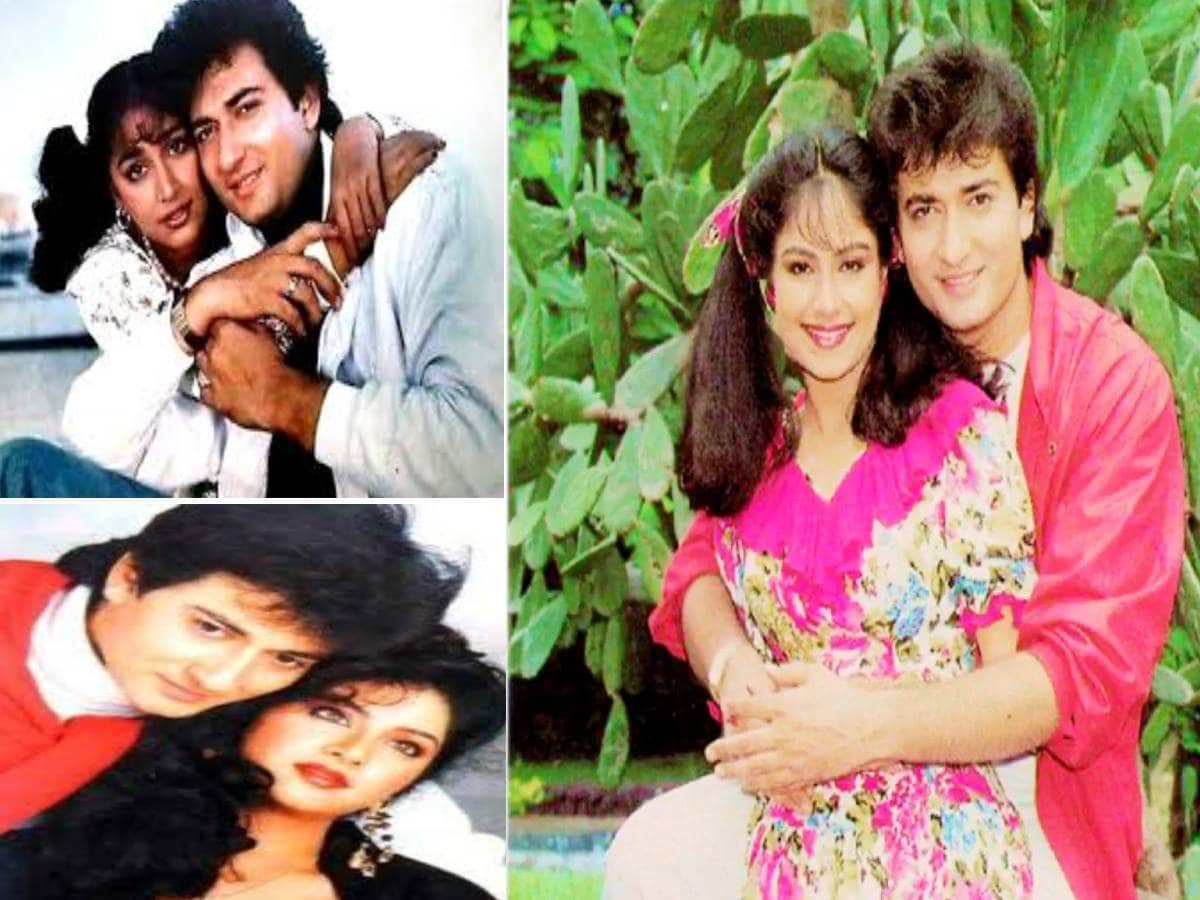
At the height of his career, his personal life derailed him. After marrying model Chaaya in 1990, increasing marital discord led him to abandon several promising projects. He eventually moved abroad, and the distance cost him his career. Though he later divorced and remarried, his time away from the film industry permanently halted his rise.
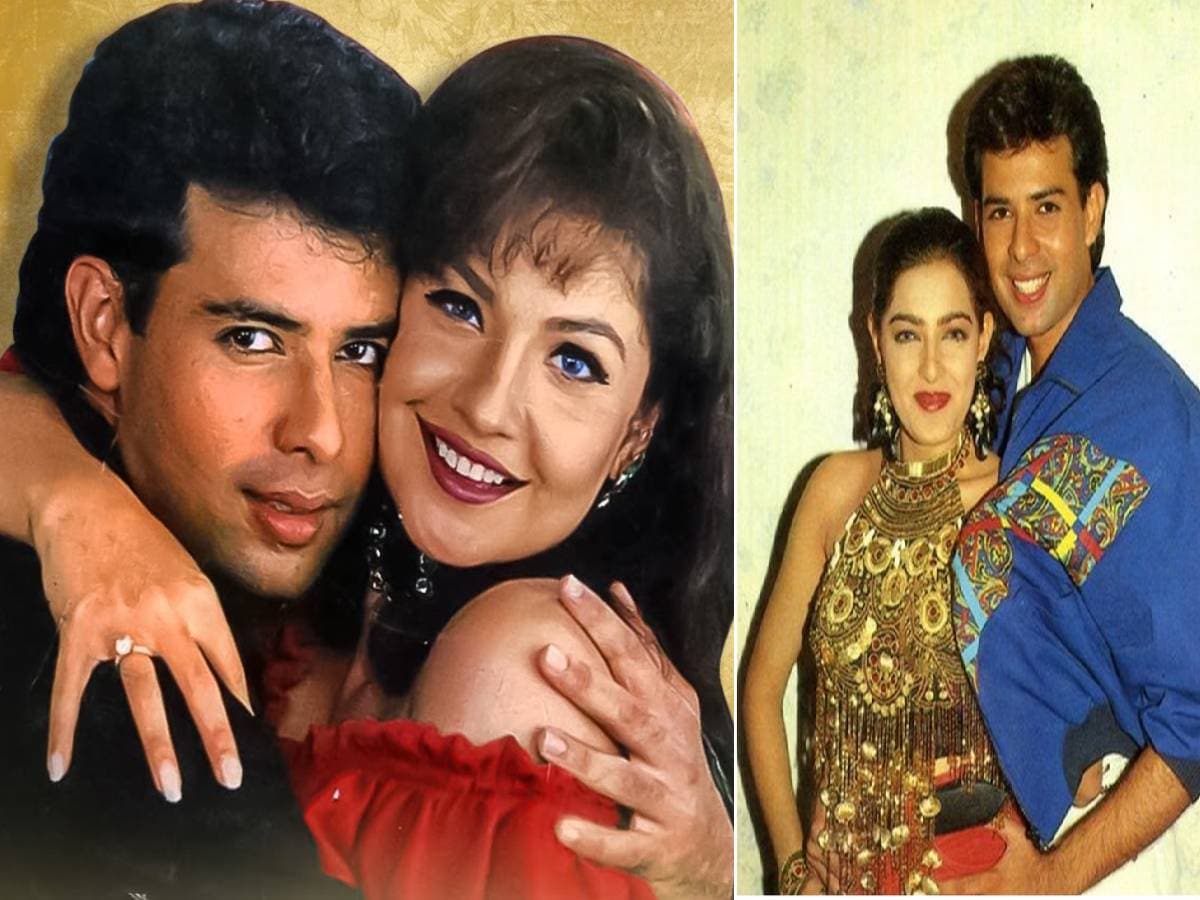
The third name is Atul Agnihotri, a relative of several prominent Bollywood figures and now best known as Salman Khan’s brother-in-law. Atul began promisingly with Sir (1993), earning praise for his performance. He was also noticed in Aatish (1994). Although Krantiveer (1994) was a blockbuster, most of the credit went to Nana Patekar. Atul worked with Nana Patekar again in Yashwant and Kohram, but his own career never truly took off.
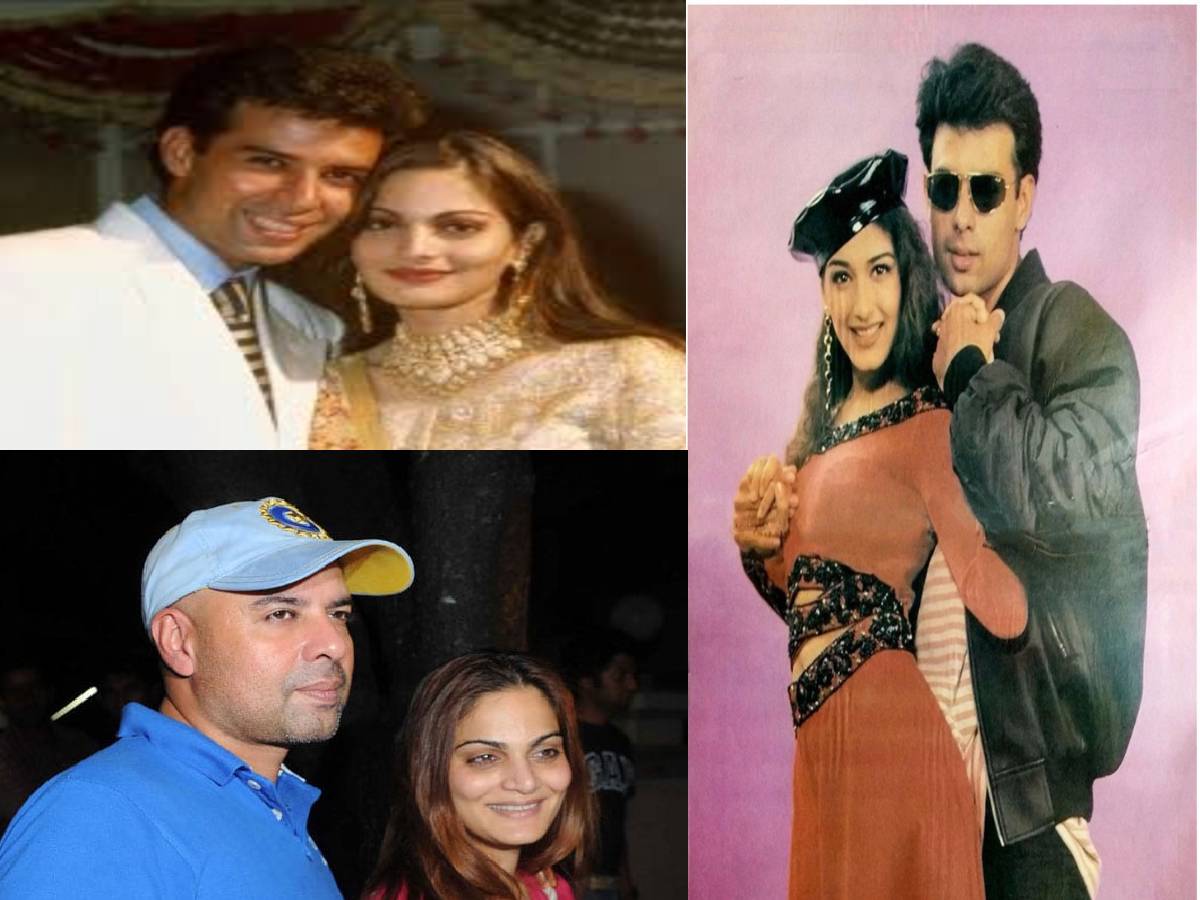
A cousin of actress Rati Agnihotri, he appeared in Veergati and Gunahgar in 1995, and later in films such as Jeevan Yudh, Chaachi 420, Hote Hote Pyar Ho Gaya, and Hum Tumhare Hain Sanam. Atul himself admitted that he was not a strong actor and often failed to choose the right films. His acting career eventually faded, leading him to direction. He directed Dil Ne Jise Apna Kaha and Hello, both of which struggled. His only major success came in 2011 with Bodyguard, starring Salman Khan and Kareena Kapoor.
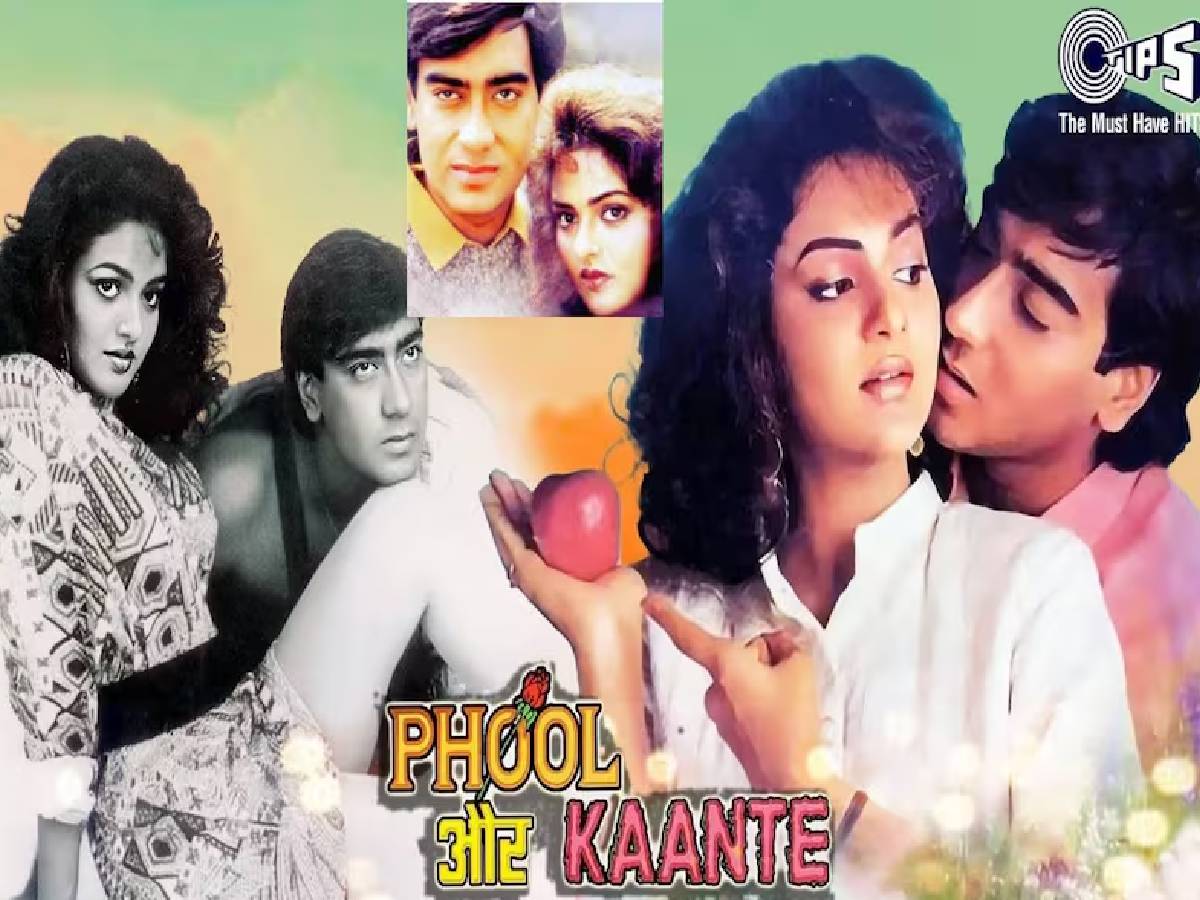
Finally, Ajay Devgan, son of action choreographer Veeru Devgan, entered Bollywood in 1991 with Phool Aur Kaante. Released on November 22, the musical romantic action film, directed by Kukku Kohli and featuring music by Nadeem–Shravan, became a sensation, particularly in small towns. The film turned Ajay Devgan into an overnight star.
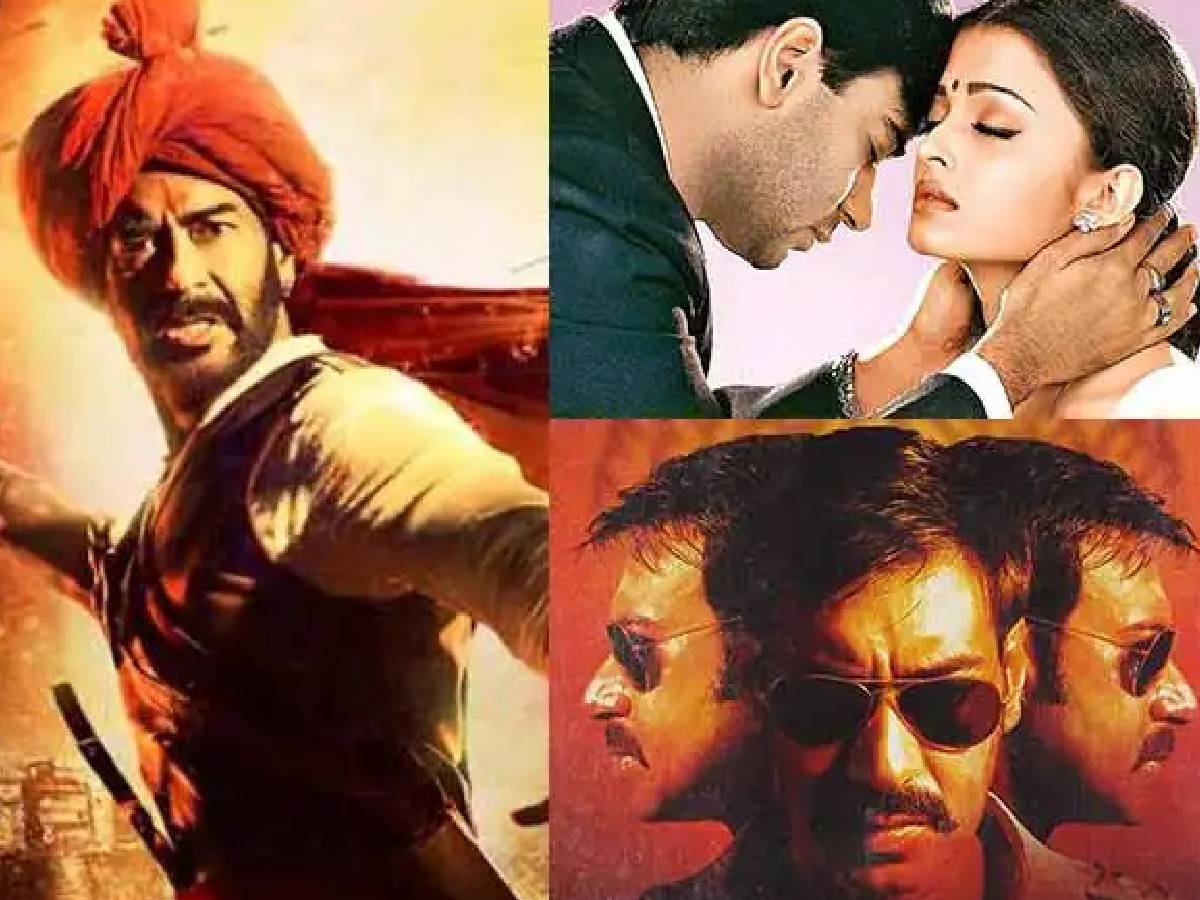
Ajay Devgn is one of the few 90s actors who not only retained but strengthened his stardom over time. Following his debut, he delivered several hits including Jigar, Jaan, Dilwale, Ishq, Hum Dil De Chuke Sanam, Golmaal, Raajneeti, Tanhaji, and Drishyam. He married Bollywood actress Kajol on February 24, 1999, another accomplished star in her own right.
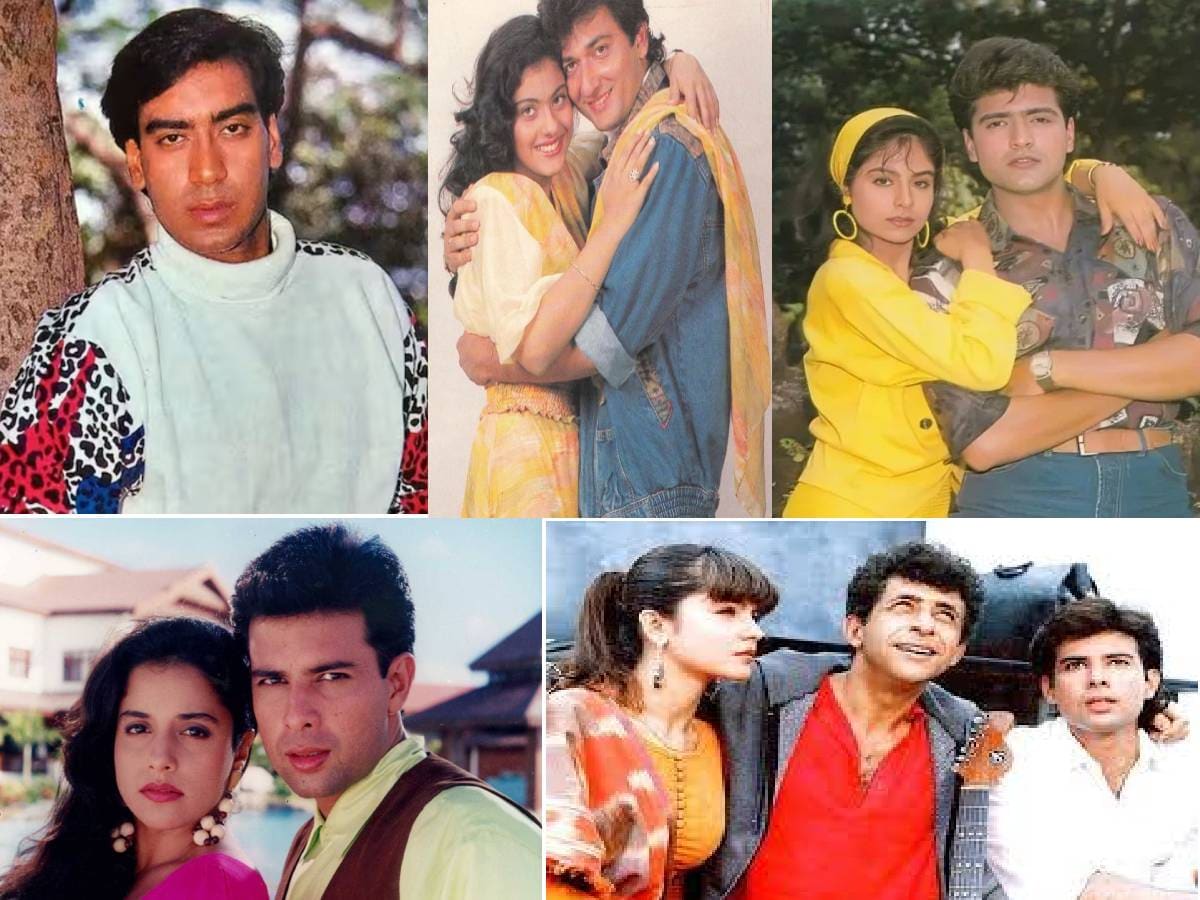
Among the four actors who emerged in the early 90s, only Ajay Devgan ultimately secured a place among Bollywood’s superstars.
Disclaimer: We do not own any of the content, ideas, images, or text presented here. All rights belong to their respective owners. For more information and to view the original source, please visit the following link: