

Last Updated:
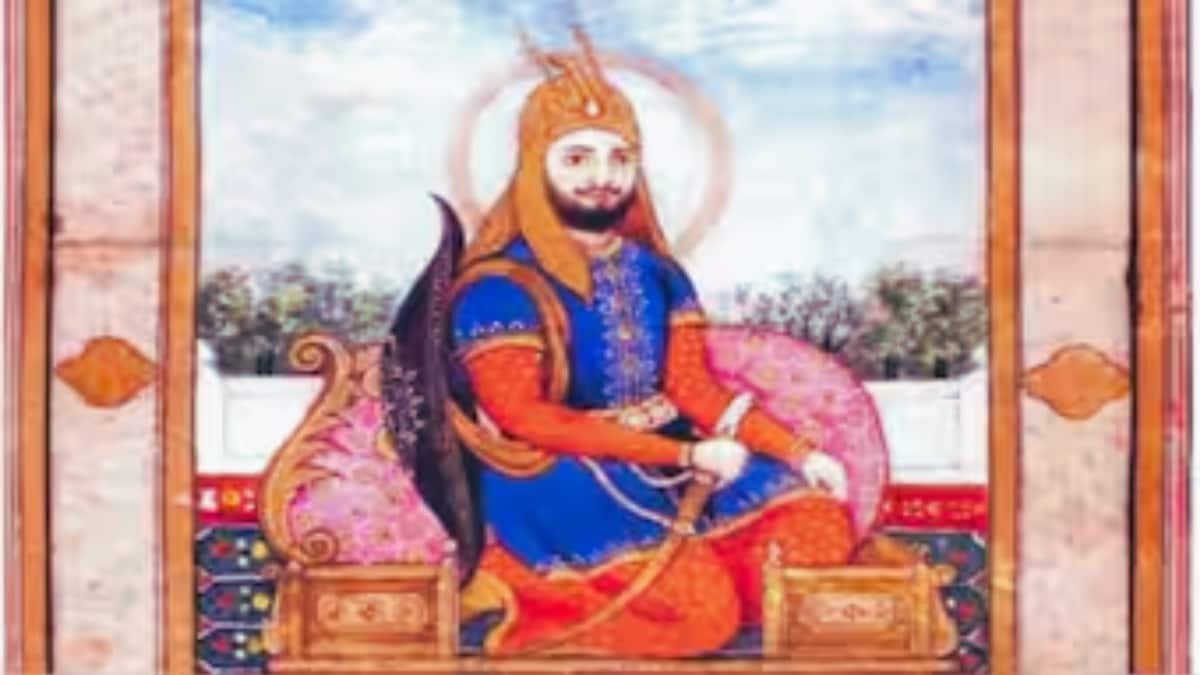
Sher Shah Suri, who ruled from 1540-1545, achieved remarkable feats. But do you know why he was called ‘Suri’? Explore the story behind the name




Sher Shah Suri’s journey from a young boy in Bihar to Sultan of Delhi remains a timeless example of struggle, strategy, and vision.
Some individuals in history have changed their fate through sheer effort, and Sher Shah Suri is one such name. Born as Farid Khan around 1486 in Sasaram, Bihar, he belonged to an Afghan family. His father, Hasan Khan Suri, was a small landlord in Bihar. Farid’s early life was challenging; his stepmother reportedly treated him poorly, prompting him to leave home.
Seeking education and a better future, he moved to Jaunpur, then a major centre of learning. There, he studied Arabic and Persian, knowledge that later formed the foundation of his remarkable administrative skills.
How Farid Khan Became Sher Khan
After completing his studies, Farid Khan entered the service of Bahar Khan Lohani, the Afghan ruler of Bihar. During a hunting expedition, a massive tiger attacked him. Fearless, Farid Khan drew his sword and killed the animal in a single blow. Impressed by his courage, Bahar Khan declared, “You are no longer Farid; from today, you are Sher Khan.”
This episode was not only a tale of bravery but also reflected Farid Khan’s confidence and leadership.
Rise To Power And Military Conquests
Belonging to the Sur tribe of Afghanistan, Sher Khan eventually established the Suri dynasty. His path to the throne of Delhi was challenging, as the Mughal ruler Humayun was in power at the time.
- Battle of Chausa (1539): Sher Shah defeated Humayun decisively.
- Battle of Kannauj (1540): Another victory that forced Humayun to retreat from India.
Following these victories, Sher Khan ascended the Delhi throne as Sher Shah Suri, ruling from 1540 to 1545.
Sher Shah Suri: The Administrator
Historians remember Sher Shah Suri not only as a warrior but also as a visionary administrator. In just five years, he implemented several reforms that had lasting effects:
- Currency Reform: Introduced the silver coin ‘Rupiya’, the precursor to today’s Indian rupee.
- Infrastructure Development: Constructed a long road from Bengal to Kabul, known today as the Grand Trunk Road, boosting trade and communication.
- Rest Houses and Postal System: Built inns along major roads and launched a horse-mounted postal system, strengthening administration and speeding information flow.
- Land Revenue System: Measured lands and collected taxes directly from farmers, reducing the influence of middlemen.
Death And Legacy
In 1545, Sher Shah Suri died when gunpowder exploded during the siege of Kalinjar Fort. Despite ruling for only five years, his reforms left a lasting impact on India’s governance.
His tomb in Sasaram, Bihar, stands as a testament to his life and is celebrated as an architectural marvel.
Sher Shah Suri’s importance lies not only in defeating the Mughals but in his administrative contributions, including the currency system, roads, postal network, and revenue reforms, which shaped the future of India’s governance.
His journey from a young boy in Bihar to Sultan of Delhi remains a timeless example of struggle, strategy, and vision.
February 20, 2026, 08:26 IST
Read More
Disclaimer: We do not own any of the content, ideas, images, or text presented here. All rights belong to their respective owners. For more information and to view the original source, please visit the following link: