

4 min readNew DelhiUpdated: Jun 27, 2026 08:27 AM IST
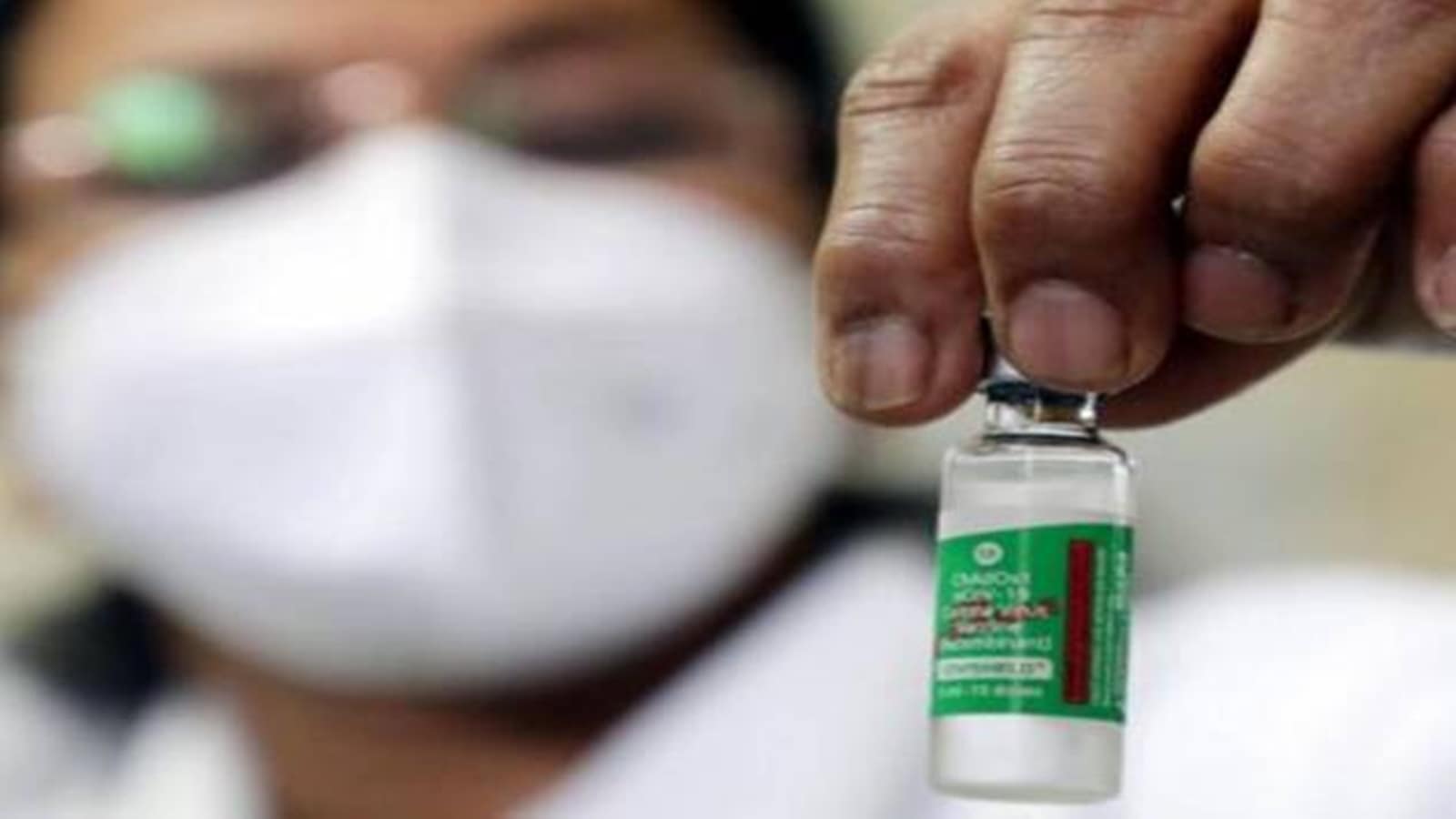
Amid a shortage of rabies vaccine across the government hospitals in the Capital, a consignment of over 1.27 lakh vials of anti-rabies vaccine meant for the city’s public healthcare facilities has remained undelivered because the designated government warehouse lacks adequate cold storage capacity, according to a letter sent by the Serum Institute of India to the Central Procurement Agency (CPA), The Indian Express has learnt.
In the letter written on June 22, the Pune-based vaccine manufacturer said it had kept the entire consignment of 1,27,223 vials ready for dispatch for “a long time” under a supply order issued by the Directorate General of Health Services (DGHS) on March 27 this year.
Sources in the state health department said there is a dire shortage of rabies vaccines across Delhi government hospitals currently. “A couple of hospitals have managed to stock up in small quantities through local purchases but the majority of the hospitals do not have it,” said an official source.
The Indian Express reached out to Serum Institute, officials at the DGHS and the CPA for a comment but a response was not received.
The firm — in the letter — said the supply order required the vaccines to be delivered to the Central Warehouse at the Super Specialty Hospital (SSH) in West Delhi’s Janakpuri. However, when its representatives approached the warehouse, they were informed by the store keeper that the consignment could not be accepted because there was no cold storage space available.
The Central Warehouse at Janakpuri Super Speciality Hospital (JSSH) manages the procurement, storage, and distribution of medical supplies, diagnostics, and medicines and maintains the vaccines and medicines that require temperature-controlled storage, commonly known as the cold chain, to remain safe and effective.
The anti-rabies vaccine requires strict temperature-controlled storage to maintain its efficacy.
In the letter, the Serum Institute requested the CPA, the nodal agency responsible for procuring medicines and equipment for public healthcare facilities, to identify an alternative delivery location where the vaccines could be received. It also sought an extension of 20 days in the delivery timeline to enable completion of the supply after receiving confirmation of the revised delivery point.
Story continues below this ad
The delay raises concerns over the availability of anti-rabies vaccines in Delhi’s government healthcare system, particularly as the vaccine is administered as post-exposure prophylaxis following dog and animal bites.
In January, the Delhi government had declared human rabies a notifiable disease under the Epidemic Diseases Act, with the objective of achieving zero human deaths from dog-mediated rabies in the national capital. The proposed notification aims to strengthen disease surveillance, ensure early reporting and a swift public health response. Notifying rabies means formally reporting suspected or confirmed cases to public health authorities. This process triggers an immediate medical response to ensure proper vaccination and life-saving treatments are provided to the exposed individuals.
The anti-rabies vaccine is important for the city as Delhi has witnessed a surge in stray dog attacks and rabies risks, with the Supreme Court last year expressing concern about such incidents.
According to the official data, Delhi recorded 51,773 dog bite cases in 2023. In 2025, the figure reached 44,995 by August, underlining the scale of exposure risk and the need for robust surveillance.
Disclaimer: We do not own any of the content, ideas, images, or text presented here. All rights belong to their respective owners. For more information and to view the original source, please visit the following link: