

Last Updated:
India began captive-breeding vultures after their numbers plummeted due to the widespread use of the cattle drug diclofenac, which had pushed the species to the brink of extinction
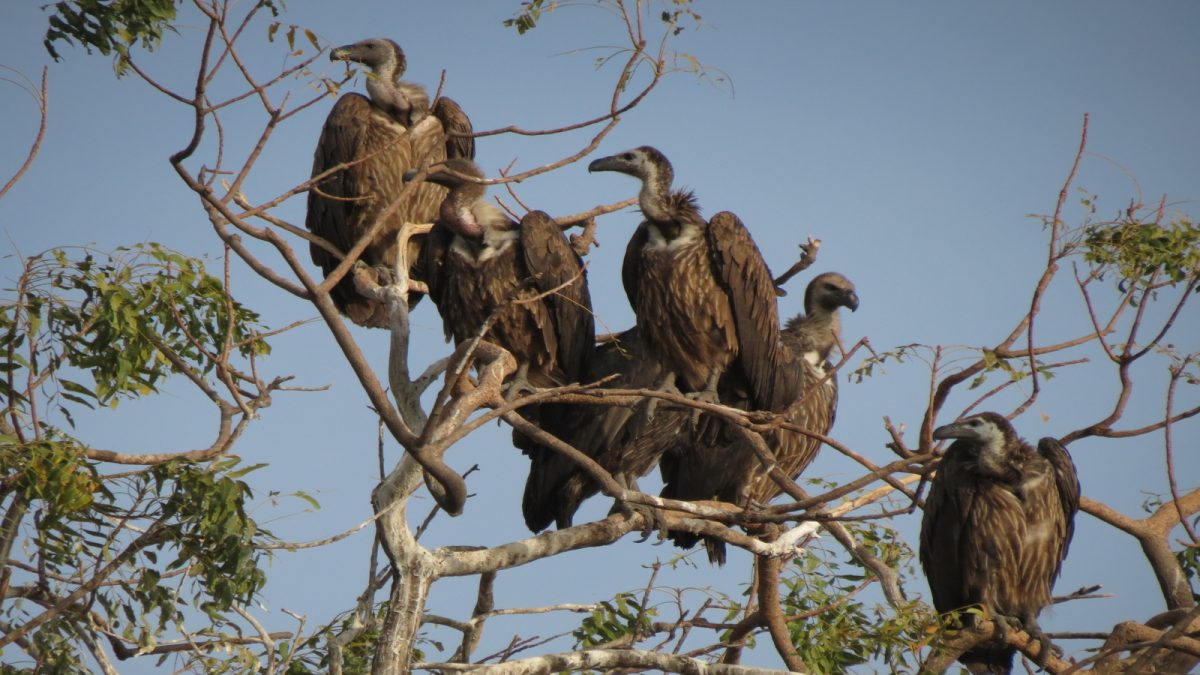
The goal is to reintroduce these magnificent birds to the forests they once called home before they were driven to the brink of extinction. Pic/Vandan Jhaveri
Assam is preparing for a historic conservation milestone—its first reintroduction of captive-born, critically endangered vultures into the wild. After raising over 800 vultures in its Conservation Breeding Centres across India, the Bombay Natural History Society (BNHS) will release 12 of them in Assam early next year.
The release from the Vulture Conservation Breeding Centre in Rani, Kamrup, is planned at two separate sites and will commence in early January, marking a major step in India’s vulture recovery efforts. “We have identified two separate locations for the release—six will be released in Kamrup and six others in Biswanath in the state. Both species—slender-billed and white-rumped vultures—are critically endangered and have been successfully bred in captivity. The release aviaries are ready, and we will first do a soft release before setting them free into the wild,” Dr Sachin Ranade, Senior Scientist and Deputy Director, BNHS, told CNN-News18.
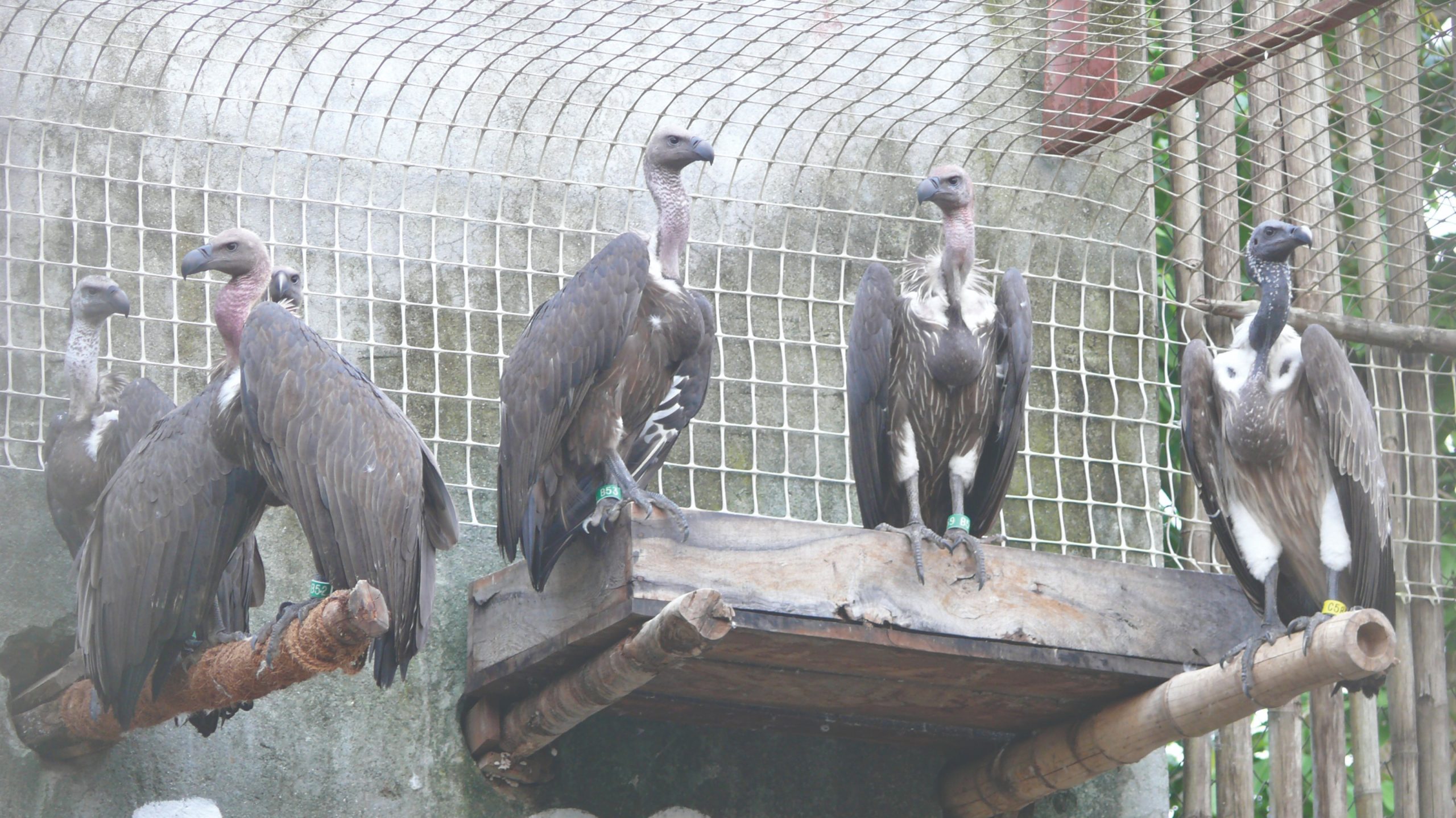
The goal is to reintroduce these magnificent birds to the forests they once called home before they were driven to the brink of extinction. The International Union for Conservation of Nature (IUCN) has classified the three Gyps species—the long-billed vulture, the white-backed vulture, and the slender-billed vulture—as “critically endangered”, warranting immediate conservation measures.
Fighting extinction
Vultures are fighting extinction due to the widespread use of the non-steroidal drug diclofenac in cattle treatment. The drug leads to fatal poisoning among vultures. Since these giant birds are scavengers and feed on cattle carcasses, their numbers drastically plummeted from millions to a few thousand between 1990 and 2016. As the use of non-steroidal anti-inflammatory drugs (NSAIDs) like diclofenac, aceclofenac, ketoprofen, and nimesulide among cattle, as well as pesticides, remains a pressing concern, the BNHS team, along with members from the Royal Society for the Protection of Birds (RSPB) and the Assam Forest Department, are working with local communities, creating awareness about vultures and their importance.
Scientists are also meeting with local veterinarians and sensitising them about the threats vultures face, urging them to be cautious while ensuring proper and safe treatment of domestic cattle. “The veterinarians who handle the medicine for livestock play a valuable role. We are requesting them to advocate and use only vulture-safe medicines like meloxicam and tolfenamic acid in cattle treatment, so the cattle and their carcasses do not have any harmful residues for vultures,” added Dr Ranade.
Assam has seen repeated incidents of poison baiting, in which locals spray pesticides on cattle carcasses to kill stray dogs. Since vultures cannot distinguish between safe and contaminated carcasses, they often fall victim to these poisoned remains. This has taken a massive toll on wild vulture populations and poses a major challenge to releasing captive-bred vultures into the wild.
“The campaign is very important for the team, as it will determine the success of the vulture release programme. Assam is a stronghold of the Slender-billed vulture in India. Saving this species will be the most important action in conservation for the global population,” said Kishore Rithe, Director, BNHS.
Saving vultures, one at a time…
Vultures have suffered the most drastic declines over the years. These birds of prey play a crucial role, as they naturally feed on cattle carcasses, helping reduce pollution from decaying remains and limit the spread of diseases. The BNHS currently has four Jatayu Conservation Breeding Centres, one each in Haryana, Madhya Pradesh, West Bengal, and Assam, set up in partnership with the respective state governments to revive the vulture population through breeding programmes.
The programme has raised over 800 birds in captivity since 2004 with support from the Ministry of Environment, Forests and Climate Change, as well as the Royal Society for the Protection of Birds. They are now being carefully released into the wild in different states—Haryana, West Bengal, Assam, and Maharashtra—to support successful breeding in the wild and ensure a balanced sex ratio at each site.
 Click here to add News18 as your preferred news source on Google.
 December 05, 2025, 07:30 IST
Read More
Disclaimer: We do not own any of the content, ideas, images, or text presented here. All rights belong to their respective owners. For more information and to view the original source, please visit the following link: