

4 min readChandigarhJun 22, 2026 10:35 PM IST
Amid mounting opposition from residents, urban planners and environmental groups to the proposed amendments to Chandigarh’s Master Plan-2031, the UT Administration has constituted a nine-member Screening Committee to examine objections and suggestions received from stakeholders.
The committee, headed by Secretary Engineering Prema Puri, has been tasked with scrutinising representations received on the draft amendments notified on May 22 and the subsequent addendum issued on May 29. The panel includes senior officials of the Chandigarh Administration, Municipal Corporation and Chandigarh Housing Board, besides urban planning experts and former town planners.
The move comes after the proposed changes triggered widespread debate across the city. Several resident welfare associations, citizen groups and planning experts have voiced concerns that the amendments could fundamentally alter Chandigarh’s planned character and place additional pressure on already stretched civic infrastructure.
Experts opposing the amendments have argued that the city is already grappling with increasing traffic congestion, a shortage of parking spaces, rising demand for water and electricity, and mounting pressure on sewage and drainage systems. They contend that any move towards higher-density development or increased commercial activity should be preceded by a comprehensive assessment of infrastructure capacity and corresponding upgrades.
Another major concern relates to the preservation of Chandigarh’s unique urban design. Opponents maintain that the city was conceived as a low-density, carefully planned urban centre with abundant green spaces and regulated land use. They fear that some of the proposed amendments could dilute these planning principles and adversely affect the city’s architectural and cultural identity.
Environmental groups have also expressed concerns over the potential impact on green belts, tree cover and air quality. Some stakeholders have sought detailed studies on the city’s carrying capacity before any significant changes to planning norms are approved.
Questions have also been raised about the adequacy of public consultation before the proposed amendments, with several organisations demanding greater transparency in the decision-making process.
Story continues below this ad
According to the Administration’s order, the Screening Committee will tabulate all objections and suggestions, conduct hearings and provide objectors an opportunity to present their views in person. The committee has been asked to submit its recommendations within one month.
The Administration has said the exercise is intended to ensure that all viewpoints are considered before a final decision is taken. Given the scale of the public response and the significance of the proposed changes, the committee’s recommendations are expected to be closely watched by residents and other stakeholders.
The constitution of the panel marks a key step in a process that could shape the future course of development in Chandigarh, a city whose planning and urban form have long been regarded as among the most distinctive in the country.
WHAT ARE THE PROPOSED AMENDMENTS?
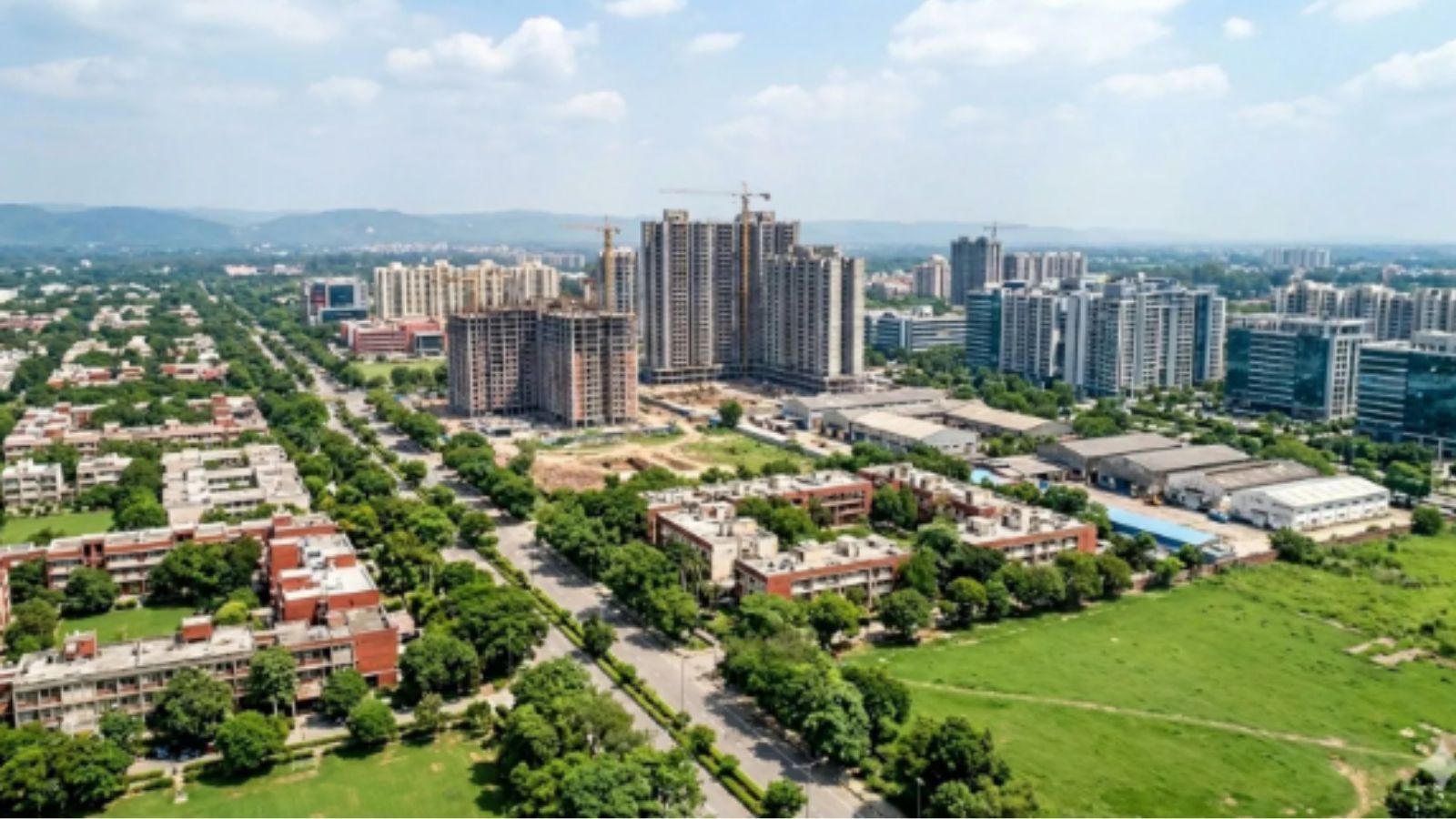
The proposed amendments to the Chandigarh Master Plan-2031 mark a significant shift from the city’s traditional low-rise development model towards higher-density and vertical growth. The draft proposes increased Floor Area Ratio (FAR), greater building heights and enhanced ground coverage norms in several parts of the city, particularly in Phase II, Phase III and peripheral sectors.
Story continues below this ad
The Administration has argued that the changes are necessary to address land scarcity, accommodate future population growth and make better use of limited urban land resources.
A key component of the proposal is the promotion of high-rise residential development, including government housing and group housing projects. The amendments seek to encourage modern residential complexes and mixed-use development corridors while restricting further expansion of traditional plotted housing in certain areas. The Administration maintains that these measures would help create additional housing stock, improve affordability and support sustainable urban growth.
The draft amendments also propose major changes for commercial and industrial areas. These include higher FAR for industrial and commercial properties, relaxation of development controls, mixed land-use provisions in select areas and the fragmentation of larger industrial plots into smaller units to facilitate more efficient land utilisation.

Stay updated with the latest – Click here to follow us on Instagram
Disclaimer: We do not own any of the content, ideas, images, or text presented here. All rights belong to their respective owners. For more information and to view the original source, please visit the following link: