

4 min readMumbaiJun 19, 2026 08:33 PM IST
If you spent too long at the nachos or hamburgers queues and ambled in late to your seats, you might miss the influence of rugby on football. At this World Cup, teams have adopted an unusual kick-off move that’s both unique and counter-intuitive.
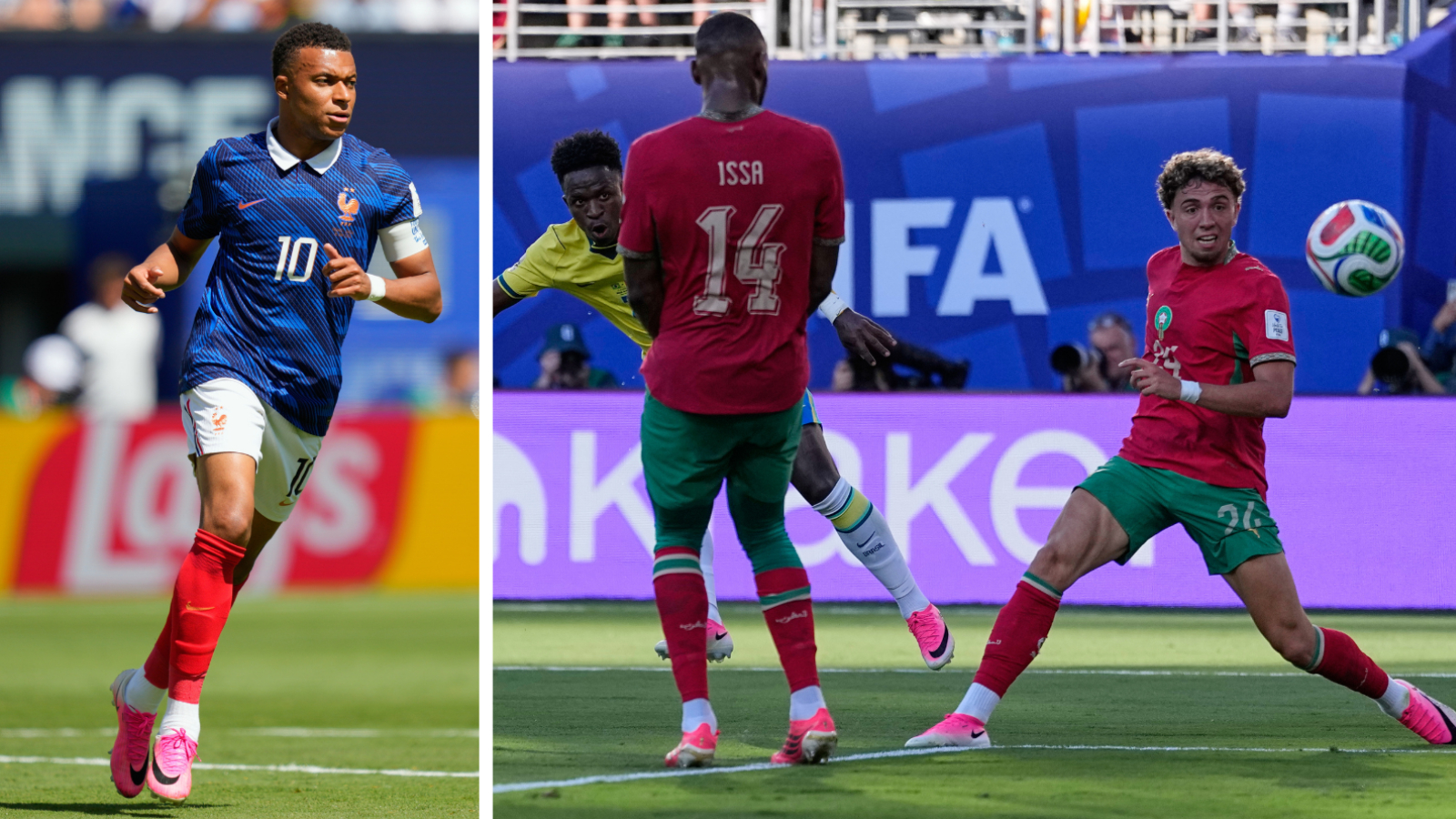
This time around, it isn’t always the good-old gentle pass to a teammate after the referee’s whistle. Top teams like France and Morocco, among others, have been commencing play with a long curling ball forward that crosses the side-line. The idea is to kick the ball as close to the corner flag so that the rivals get a throw-in in the final third of the field. So what is to be gained by losing possession? For starters it gets you to gain space and accelerates the march forward.
Like in rugby’s lineouts, the ball sent past the sideline can save on plenty of dribbling effort. Since this is at the start of the game, it provides the team a dead-ball start opportunity, pretty deep into opposition half. A full-field press for throw-ins can put pressure on the team that might be rusty or still settling in.
Rugby lineouts offer 50-50 chances for either of the jumpers to clasp the ball. It is the same with throw-ins in football. The chances of an attacking team gaining ball possession after gifting away, is bright. It gives them an early window to take a shot at the goal.
This kick-off strategy was noticed earlier this year, thanks to Paris Saint-Germain. The Champions League-winning side have been at it, since defeating Inter Milan in last year’s final. It was a standout feature of their encore against Arsenal, a month before the World Cup began. And now in the first World Cup week, several teams are trading possession for position, kicking the ball out of touch like rugby’s drop-kick.
What followed at PSG games after the ball was launched and territory gained, was an immediate influx of attackers rushing to capitalise on the usually unorganised aftermath of throw-ins.
According to Football TacticDive, the throw-ins come with a trap: they are limiting in range, because the ball doesn’t move fast enough over a long distance like a pass or cross would, when hurled with hands. Teams are not organised in a tight shape for a block, and tend to be scattered and slow to react, preventing them from starting a coordinated move. And that’s when PSG inject the throw-in zones with players for an aggressive high press. Chances of a turnover, are very high in the chaos, just like the line-outs.
Story continues below this ad
In PSG’s game against Arsenal, as many as seven players were deployed to muddy the defense, deep in the Gunners’ half. They cannoned forward right after the kick bounced out, and won back the ball from the ensuing unorganised throw-in for a blitzing transition, to attack.
While drop-kicks in rugby fly high, the hang in the air in an American football kick-off can go upto 4 seconds, helping the team to rush men forward to the throw-ins. It’s why the PSG kicks were arching parabolas.
At the World Cup, the first part of the kick-off trap is underway. The intent for giving up possession, is clear. Don’t be surprised if like Arsenal, the player taking throw-ins is ambushed within a blur of a moment.
Disclaimer: We do not own any of the content, ideas, images, or text presented here. All rights belong to their respective owners. For more information and to view the original source, please visit the following link: