

3 min readJun 30, 2026 04:24 PM IST
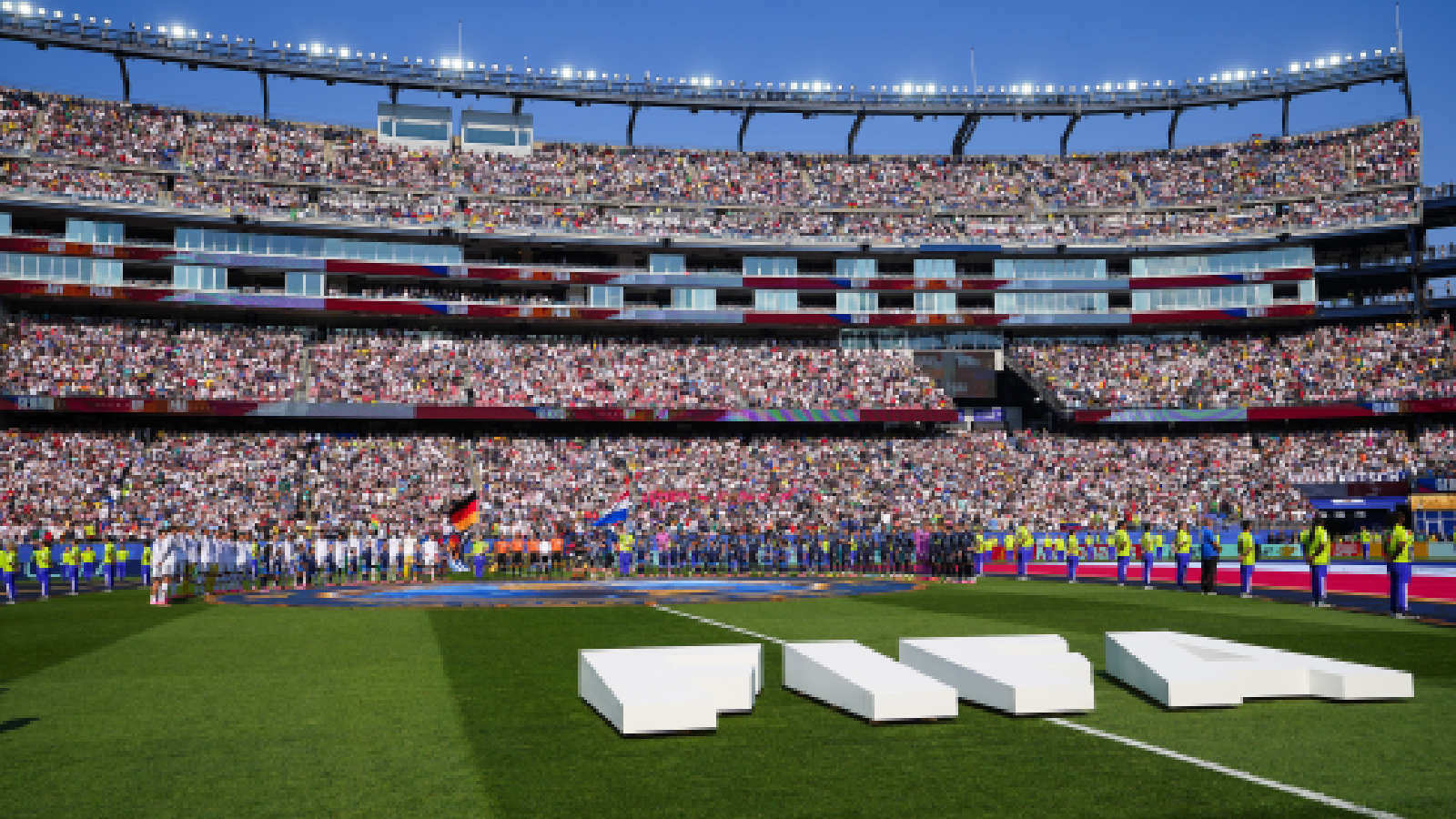
At the 2026 World Cup, music is no longer something you just hear in the background. It has become part of the tournament itself, built into the way matches are staged and experienced inside stadiums.
For a long time, World Cups were remembered through one shared soundtrack. Songs like “Waka Waka” or “La Copa de la Vida” played everywhere, from stadiums to television broadcasts. They gave each tournament a single identity – one sound that belonged to everyone, no matter which team you supported.
That is no longer the case.
The World Cup has moved away from one global anthem. Instead, there are now multiple songs and playlists tied to different teams and different moments in a match. Music is being used more deliberately, almost like another layer of the game, to shape how fans feel inside stadiums.
Each team has been allowed to choose or submit its own music for specific moments. England players and fans, for instance, sang Oasis’ “Wonderwall” after their first match, turning the 1995 hit into an unofficial team anthem during celebrations in the United States.
Even walkouts have a new sound. Teams now enter the pitch to “Sirius” by The Alan Parsons Project – a track long associated with the Chicago Bulls’ Michael Jordan era – giving matches a more dramatic, cinematic build-up. Instead of waiting for fans to create those moments, organisers are now helping shape them in advance. Music is no longer accidental. It is planned, chosen, and linked directly to match situations.
The result is that the World Cup no longer has one shared sound. There is no single anthem that defines the whole tournament. Instead, there are many different sounds running at the same time, depending on which teams are playing.
For fans, that makes the experience more personal. Supporters hear music that feels closer to their own team and culture, rather than one global track played everywhere. It also gives teams a chance to express identity in a different way, through sound as well as football.
Story continues below this ad
But it also changes how the tournament will be remembered. In the past, one song could take people straight back to a World Cup. Now, memories may be more fragmented, tied to different matches, teams, and moments.
Music is also being used more directly to highlight big moments in games. Goals, wins, and key turning points are now paired with specific tracks meant to heighten emotion in real time. It is less about background music and more about shaping the atmosphere as it unfolds.
In a way, the World Cup is becoming as much about sound as it is about football. What was once left to the stadium speakers in a loose, traditional way is now carefully planned as part of the experience. And that is the biggest change. Music is no longer something that simply follows the game. It is now built into it, helping decide how it feels while it is being played.
Disclaimer: We do not own any of the content, ideas, images, or text presented here. All rights belong to their respective owners. For more information and to view the original source, please visit the following link: