All posts tagged: AntiDoping

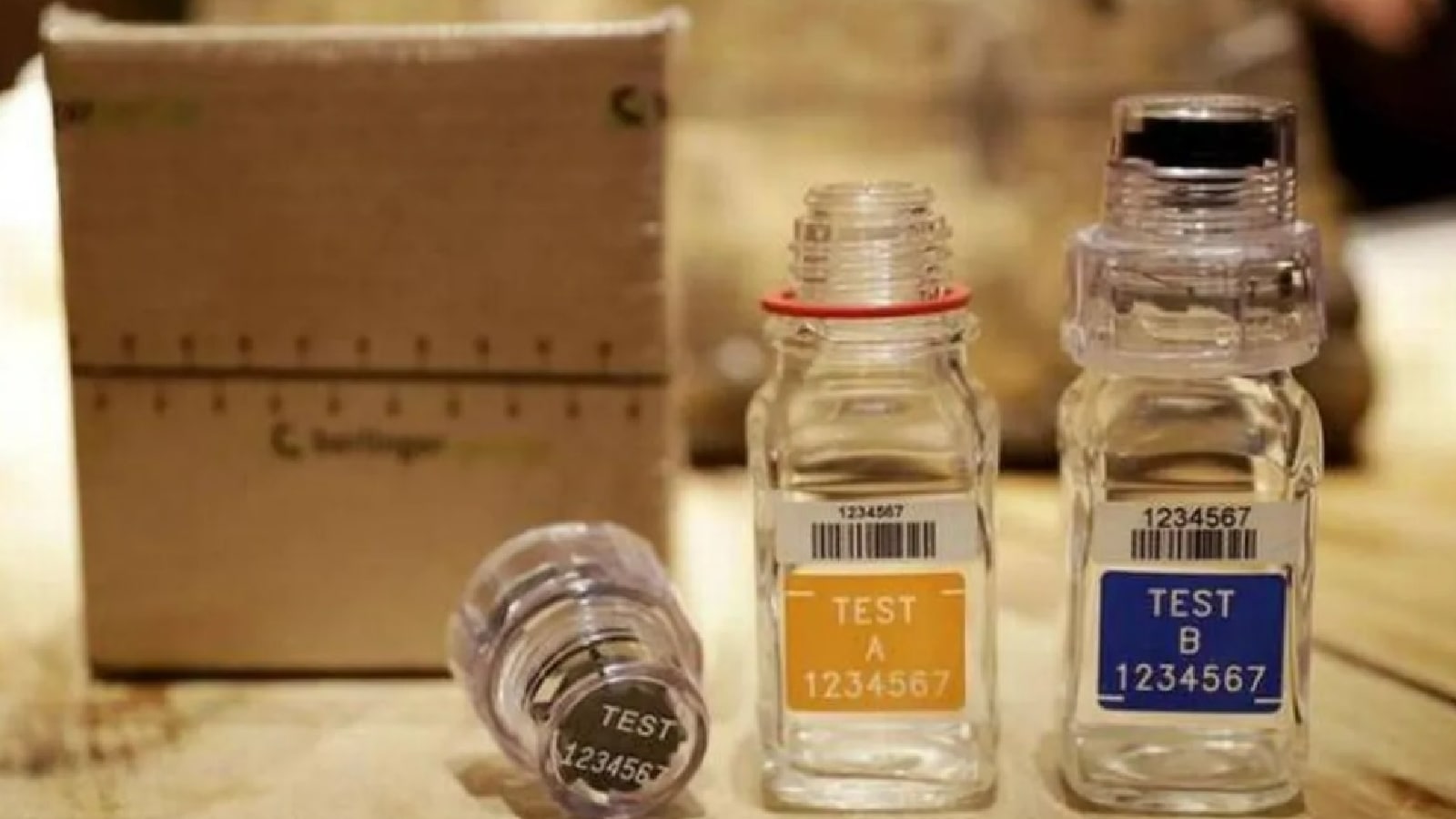
NDTL, SGT University sign MoU to advance anti-doping research

NDTL, SGT University sign MoU to advance anti-doping research

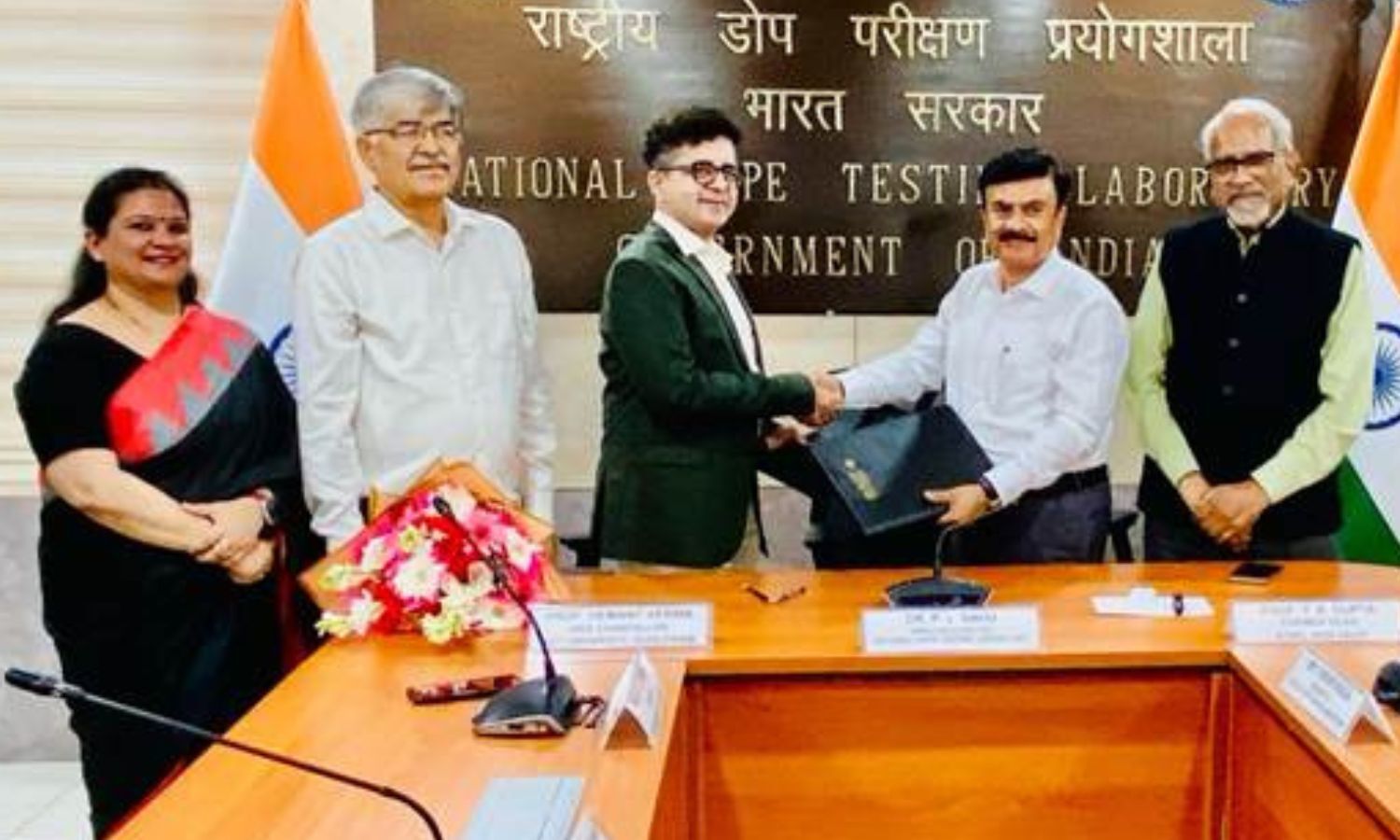
The National Dope Testing Laboratory, an autonomous body, signed a Memorandum of Understanding (MoU) with the Shree Guru Govind Singh Tricentenary University, Gurugram on Wednesday. This strategic partnership marks a significant milestone in advancing sports science education, anti-doping research, and the broader mission of drug-free sports in India. The MoU was signed in the presence of senior officials from both institutions, underscoring the shared commitment to scientific excellence, ethical sportsmanship, and the holistic development of athletes across the country. The collaboration seeks to provide students and faculty members with opportunities for advanced training, internships, research projects, expert lectures, and exposure to state-of-the-art laboratory practices. The partnership will also facilitate joint research initiatives, knowledge exchange programmes, and capacity-building activities in areas related to analytical testing, anti-doping sciences, forensic analysis, and healthcare diagnostics. Director NDTL, Dr PL Sahu expressed his enthusiasm for the collaboration and highlighted the importance of academic-industry partnerships in developing skilled professionals and advancing scientific research. He emphasized that the MoU will contribute to strengthening the ecosystem of scientific education and laboratory excellence in …
What does India’s proposed criminal anti-doping provisions actually say?

What does India’s proposed criminal anti-doping provisions actually say?

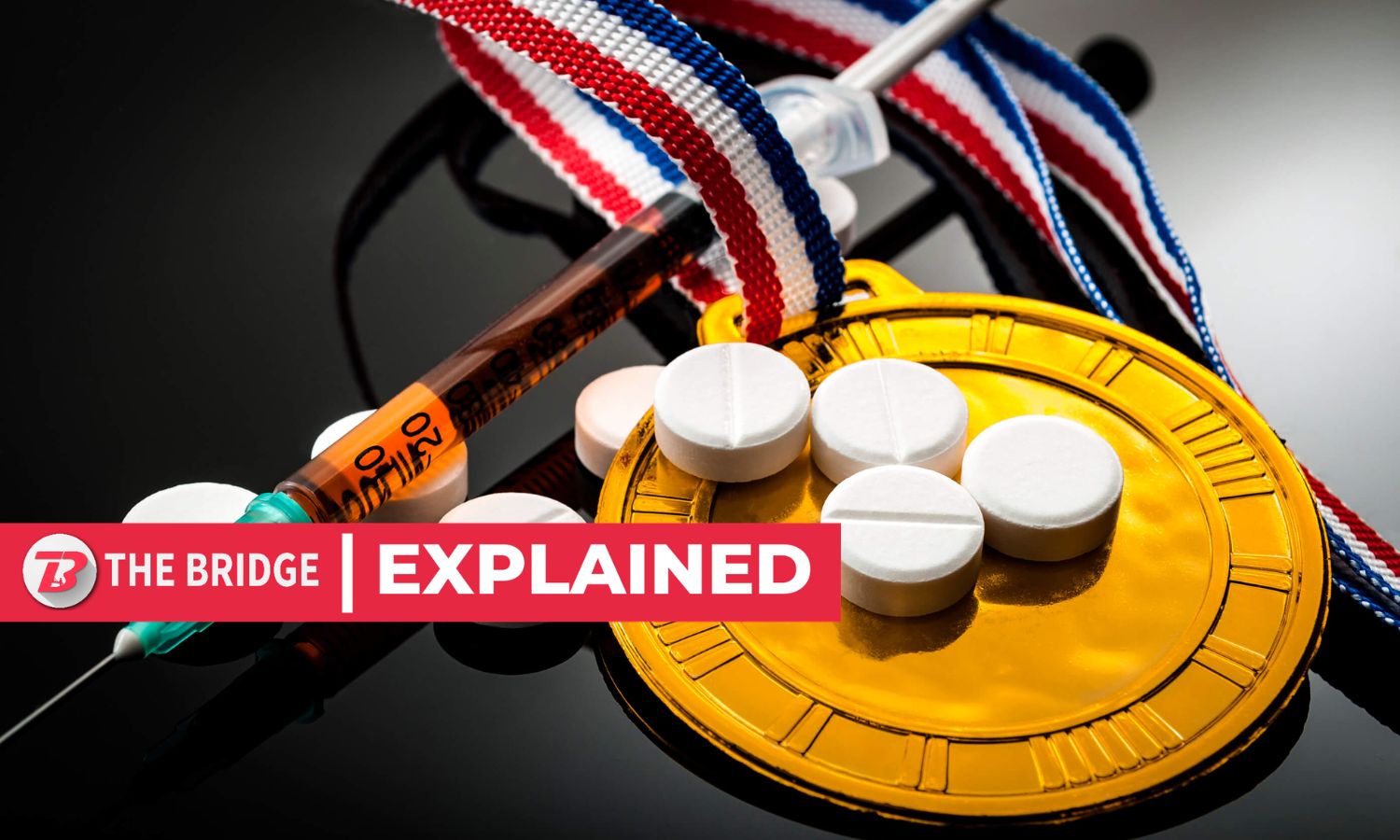
India is preparing for a major shift in how it tackles doping in sport. The Ministry of Youth Affairs and Sports has placed proposed amendments to the National Anti-Doping Act, 2022, in the public domain for consultation, seeking to criminalise organised doping-related activities such as trafficking, illegal supply, administration and commercial promotion of banned substances. The consultation process will remain open until June 18, 2026. At the heart of the proposal is a clear message: the government no longer wants anti-doping enforcement to focus only on athletes who test positive. Instead, it wants to target the wider ecosystem that enables doping, traffickers, illegal suppliers, organised syndicates, unscrupulous coaches, support personnel and commercial operators profiting from banned substances. The ministry said the proposed amendments are aimed at addressing the “growing organised ecosystem” involved in the trafficking and illegal distribution of performance-enhancing substances and methods in sport. Why is this proposal significant? For years, India’s anti-doping system has largely functioned within the sporting framework. Athletes who failed tests were punished through suspensions, disqualifications, stripped medals and bans …

India needs anti-doping reforms if it wants to host 2036 Olympics: ITA head | Sports News

India needs anti-doping reforms if it wants to host 2036 Olympics: ITA head | Sports News

4 min readMay 2, 2026 10:08 PM IST The head of the International Testing Agency (ITA), which oversees anti-doping programmes at the Olympic Games and other major global events, has raised concerns about the high number of doping cases in India, including reports that athletes receive “advance notice prior to testing” and avoid providing samples. ITA Director General Benjamin Cohen said in a report that the International Olympic Committee (IOC) has conveyed that if India aims to host the 2036 Olympics, it must undertake “a lot of governance and structural reforms”. “We’re concerned in general with the state of doping in India and we’re hearing a lot of things happening on the ground,” Cohen was quoted as saying by The Athletic, a sports publication of The New York Times. “We also hear stories of athletes running away when there is a doping control, and we hear of advance notice (given to athletes prior to testing).” In addition to managing anti-doping testing for the IOC, the Lausanne-based ITA also runs programmes for around 50 international sports …

WADA considering independent organisation for dope testing, instead of national anti-doping agencies screening own athletes: Report | Sport-others News

WADA considering independent organisation for dope testing, instead of national anti-doping agencies screening own athletes: Report | Sport-others News

After a scandal involving Chinese swimmers at the 2021 summer Olympics, the World Anti-Doping Agency (WADA) is inching towards constituting a new system in which an independent organization would conduct at least part of the dope tests, rather than relying on countries to clean up their own mess, according to the New York Times. NYT called it a major change to testing rules before major events like the Olympics. ‘WADA has commissioned a working group to study the feasibility of such a change. The discussions are occurring too late to affect the Winter Olympics that begin this week in Italy, but they could come into play before Los Angeles hosts the Summer Olympics in 2028,’ it wrote. The American publication noted that Chinese swimmers won their Olympic races, stepped onto the podiums and posed for photos with their medals in 2021. ‘Years later, the world learned that they had been cleared to compete despite failing doping tests. The revelation, first published by The New York Times in 2024, created a crisis for the World Anti-Doping …

Winter Olympics anti-doping tests could begin at airports itself, overruling privacy concerns | Sport-others News

Winter Olympics anti-doping tests could begin at airports itself, overruling privacy concerns | Sport-others News

3 min readFeb 3, 2026 12:41 PM IST Korean website Chosun has reported that enforcement of doping controls could begin at the airport upon athletes entry into Italy during the the 2026 Milan-Cortina Winter Olympics. The International Testing Agency (ITA) has announced plans to implement a high-intensity testing system spanning the entire event, starting at arrival. Quoting the global sports media outlet Inside the Games, the Korean website reported that the ITA will conduct unannounced inspections and testing systems from the time of the participants’ arrival. ‘This measure accounts for increasingly sophisticated methods of concealing prohibited substances. While privacy infringement concerns may arise, the message prioritizing fairness is clear,’ Chosun noted. The New York Times also reported that testing could soon be handed over to independent authorities supervised by WADA, after years of leaving it to national anti-doping agencies. But doping controls announced for the Winter Games, could see it become the norm at future Summer Olympics too.‘The starting line is not the stadium but the airport,’ Chosun wrote. ‘Doping is the most serious violation …

Badminton player Krishna Prasad Garaga cleared as Anti-Doping Panel quashes four-year ban

Badminton player Krishna Prasad Garaga cleared as Anti-Doping Panel quashes four-year ban

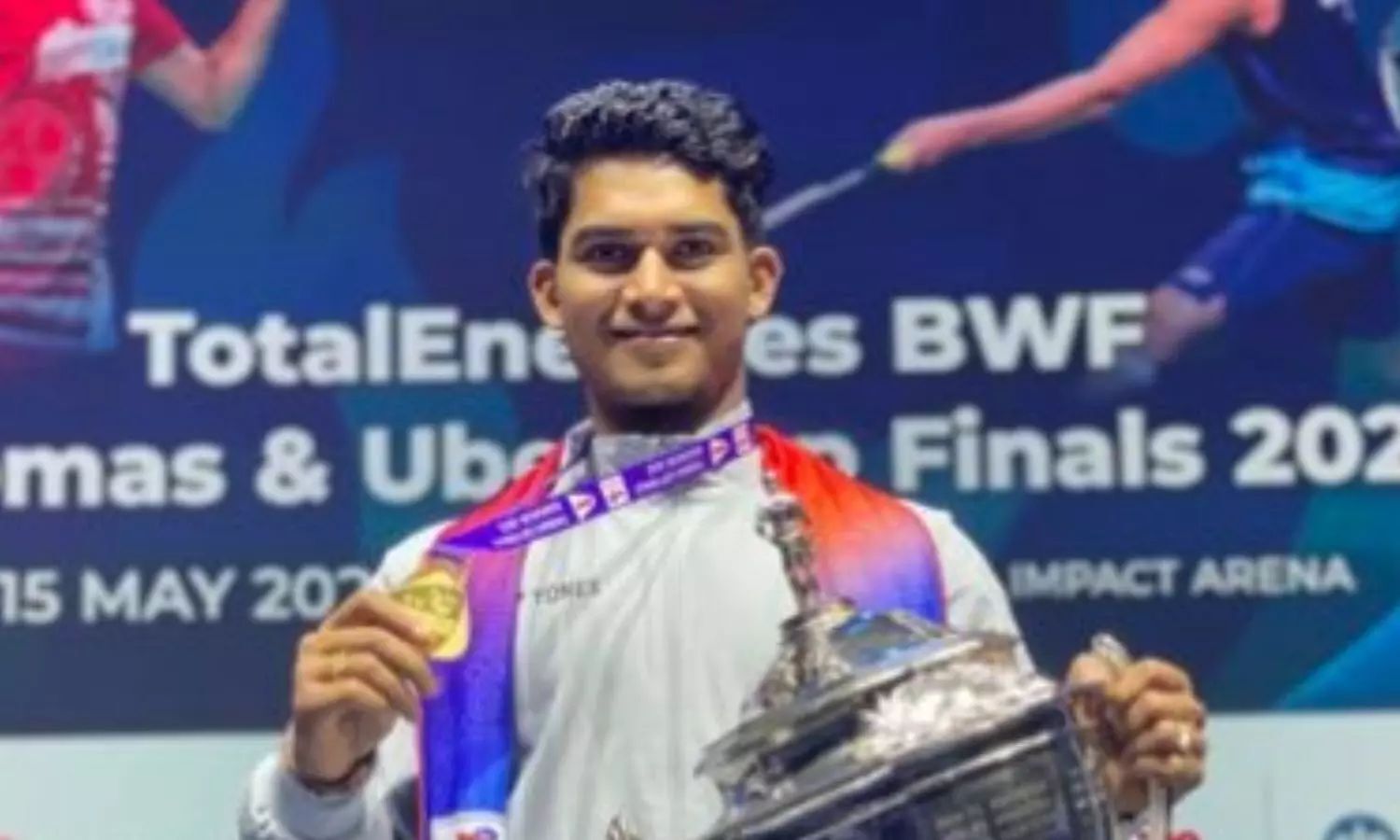
Indian badminton player Krishna Prasad Garaga has been fully exonerated after the Anti-Doping Appeal Panel (ADAP) set aside the four-year ban imposed on him by the National Anti-Doping Agency (NADA), restoring his competitive results, rankings and eligibility. In a detailed judgment dated January 18, 2026, the ADAP overturned the earlier order of the Anti-Doping Disciplinary Panel, which had found Garaga guilty of violating the National Anti-Doping Rules, 2021, and imposed the maximum sanction of four years’ ineligibility. The appeal panel concluded that the evidence did not establish, to the required standard, that the prohibited substance detected in Garaga’s sample originated from doping. The case stemmed from an out-of-competition test conducted in February 2024, in which low levels of human chorionic gonadotropin (hCG) were detected. While NADA maintained that the finding amounted to an anti-doping rule violation under the principle of strict liability, Garaga argued that the hormone levels were endogenous and unrelated to any performance-enhancing substance use. The ADAP accepted the athlete’s defence, placing significant reliance on expert medical opinions and biochemical data. The panel …

Pramod Bhagat and the art of not giving up: How former Paralympics champion shuttler bounced back from anti-doping ban | Badminton News

Pramod Bhagat and the art of not giving up: How former Paralympics champion shuttler bounced back from anti-doping ban | Badminton News

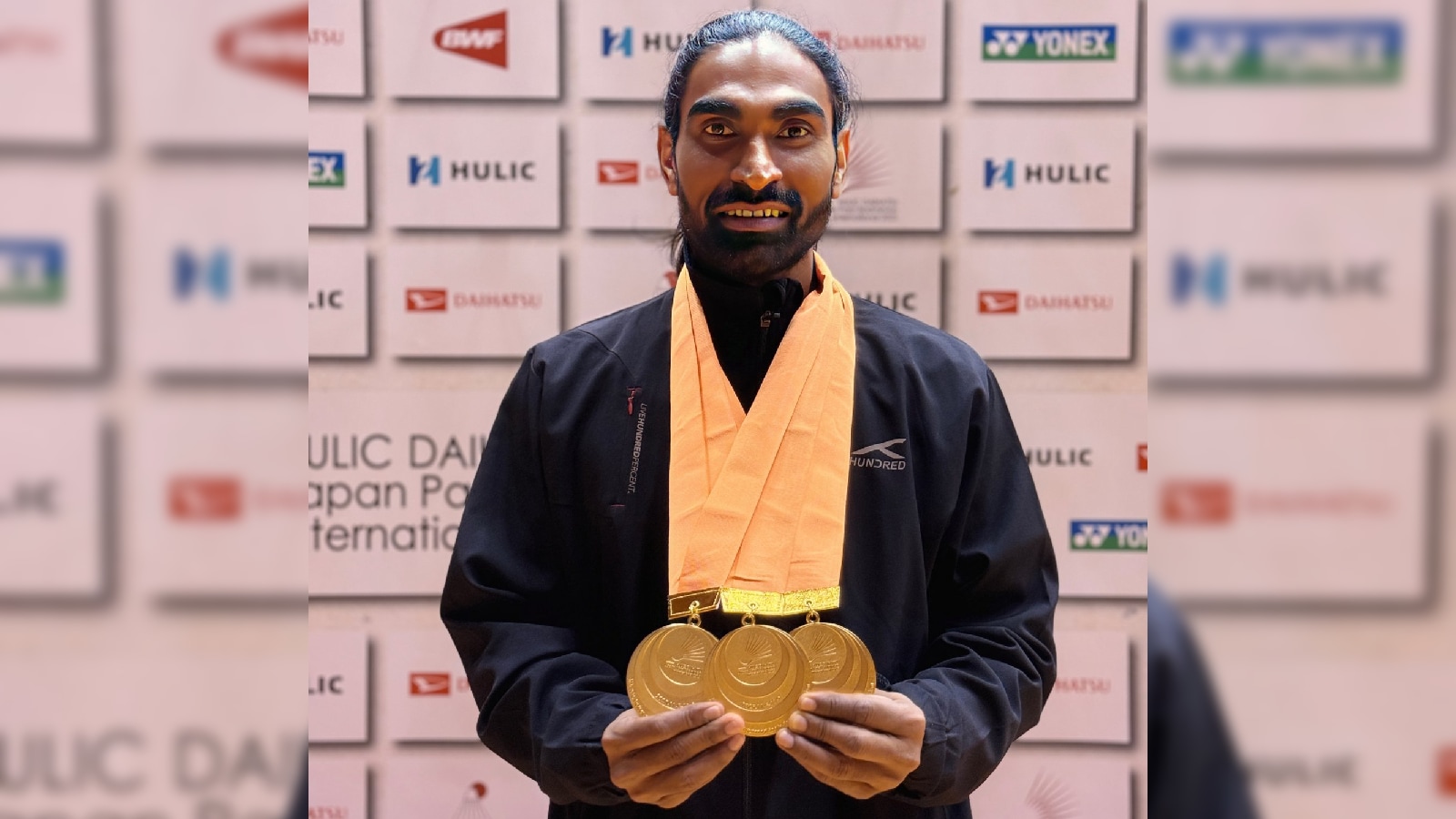
Thinking like a pugilist is something four-time para badminton world champion Pramod Bhagat had taught himself to learn. Like a prizefighter of yore, Bhagat reckoned that no matter how shockingly success had slid from his grasp, opponents couldn’t be allowed to think they could defeat him easily when he resurfaced after serving a whereabouts-related anti-doping ban. “I fought in the final at China, my first tournament on return, for 2 hours 10 minutes. I needed that title immediately because I couldn’t let other players think my domination was finished after being away for 1.5 years,” he said. After missing the Paris Paralympics as he was serving suspension, Bhagat is now back in the top 5 of singles in para badminton’s SL-3 category. It wasn’t ‘aham’ (ego) as some might think it to be. But a large part of the Odia shuttler’s success has been based on maintaining that mental grip over opponents who know he simply won’t give up — not in a rally, not a match, a title, or his career. Afflicted by polio …

Jannik Sinner Affair Shows Tennis Anti-Doping ‘Broken’, Leaves Players ‘Scared’

Jannik Sinner Affair Shows Tennis Anti-Doping ‘Broken’, Leaves Players ‘Scared’

World number five Jessica Pegula believes the handling of high-profile doping cases involving Jannik Sinner and Iga Swiatek has shown that the “process is completely broken”. And top-ranked Aryna Sabalenka admits she cannot trust the tennis anti-doping system and has become “too scared” of it. Sinner’s long doping saga came to an end on Saturday after he agreed to a three-month ban from tennis, the world number one admitting “partial responsibility” for team mistakes which led to him twice testing positive for traces of clostebol in March last year. Sinner was facing a potential ban of two years after the World Anti-Doping Agency (WADA) appealed to the Court of Arbitration for Sport (CAS) against his initial exoneration by the International Tennis Integrity Agency (ITIA), announced in August. In a surprising move, WADA withdrew its appeal and came to an agreement with Sinner to accept a three-month ban. In a statement, WADA said “Sinner did not intend to cheat” but would serve his suspension as he is responsible for the actions of his entourage. …

NADA suspends Bajrang Punia for four years for violation of anti-doping code | Sport-others News

NADA suspends Bajrang Punia for four years for violation of anti-doping code | Sport-others News

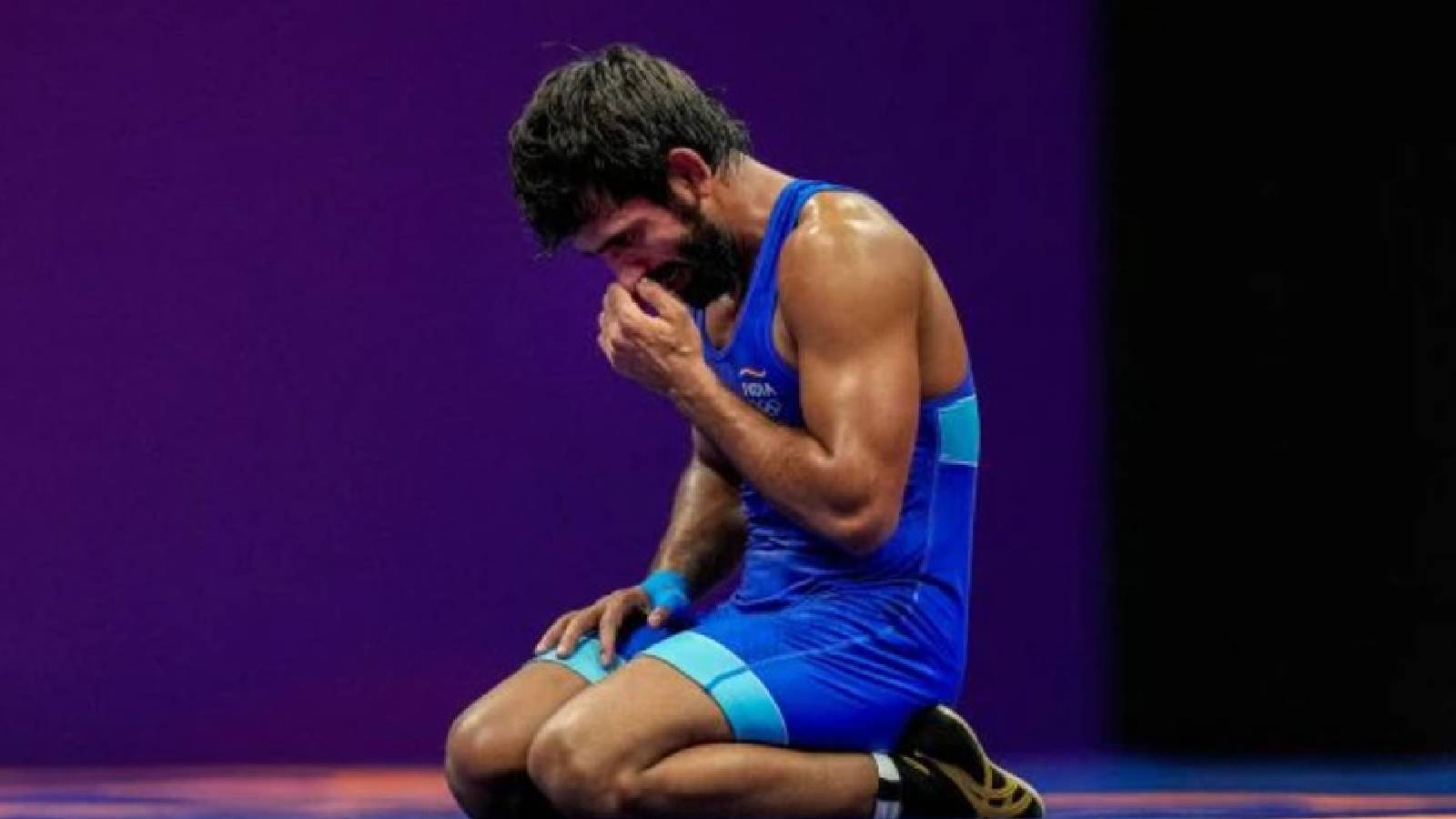
The National Anti-Doping Agency on Tuesday suspended Bajrang Punia for four years for his refusal to provide his sample for dope test on March 10 during selection trials for the national team. NADA had first suspended the Tokyo Games bronze medallist wrestler on April 23 for the offence following which, the World Governing body UWW had also suspended him. Bajrang had appealed against the provisional suspension and NADA’s Anti-Disciplinary Doping panel (ADDP) had revoked it on May 31 till NADA issues the notice of charge. NADA, then on June 23 served the notice to the wrestler. Bajrang, who joined Congress along with fellow wrestler Vinesh Phogat and was given charge of All India Kisan Congress, had challenged the charge on July 11 in a written submission following which hearings were held on September 20 and October 4. “The Panel holds that the Athlete is liable for sanctions under Article 10.3.1 and liable for ineligibility for a period of 4 years,” the ADDP said in its order. The suspension means that Bajrang will not be able …

Bajrang Punia Suspended For Four Years By National Anti-Doping Body Due To Violation Of Code

Bajrang Punia Suspended For Four Years By National Anti-Doping Body Due To Violation Of Code

The National Anti-Doping Agency on Tuesday suspended Bajrang Punia for four years for his refusal to provide his sample for dope test on March 10 during selection trials for the national team. NADA had first suspended the Tokyo Games bronze medallist wrestler on April 23 for the offence following which, the World Governing body UWW had also suspended him. Bajrang had appealed against the provisional suspension and NADA’s Anti-Disciplinary Doping panel (ADDP) had revoked it on May 31 till NADA issues the notice of charge. NADA, then on June 23 served the notice to the wrestler. Bajrang, who joined Congress along with fellow wrestler Vinesh Phogat and was given charge of All India Kisan Congress, had challenged the charge on July 11 in a written submission following which hearings were held on September 20 and October 4. “The Panel holds that the Athlete is liable for sanctions under Article 10.3.1 and liable for ineligibility for a period of 4 years,” the ADDP said in its order. The suspension means that Bajrang will not …