Know Your City: From sanitation tracks in colonial era to public spaces, the evolution of Bengaluru’s conservancy lanes | Bangalore News
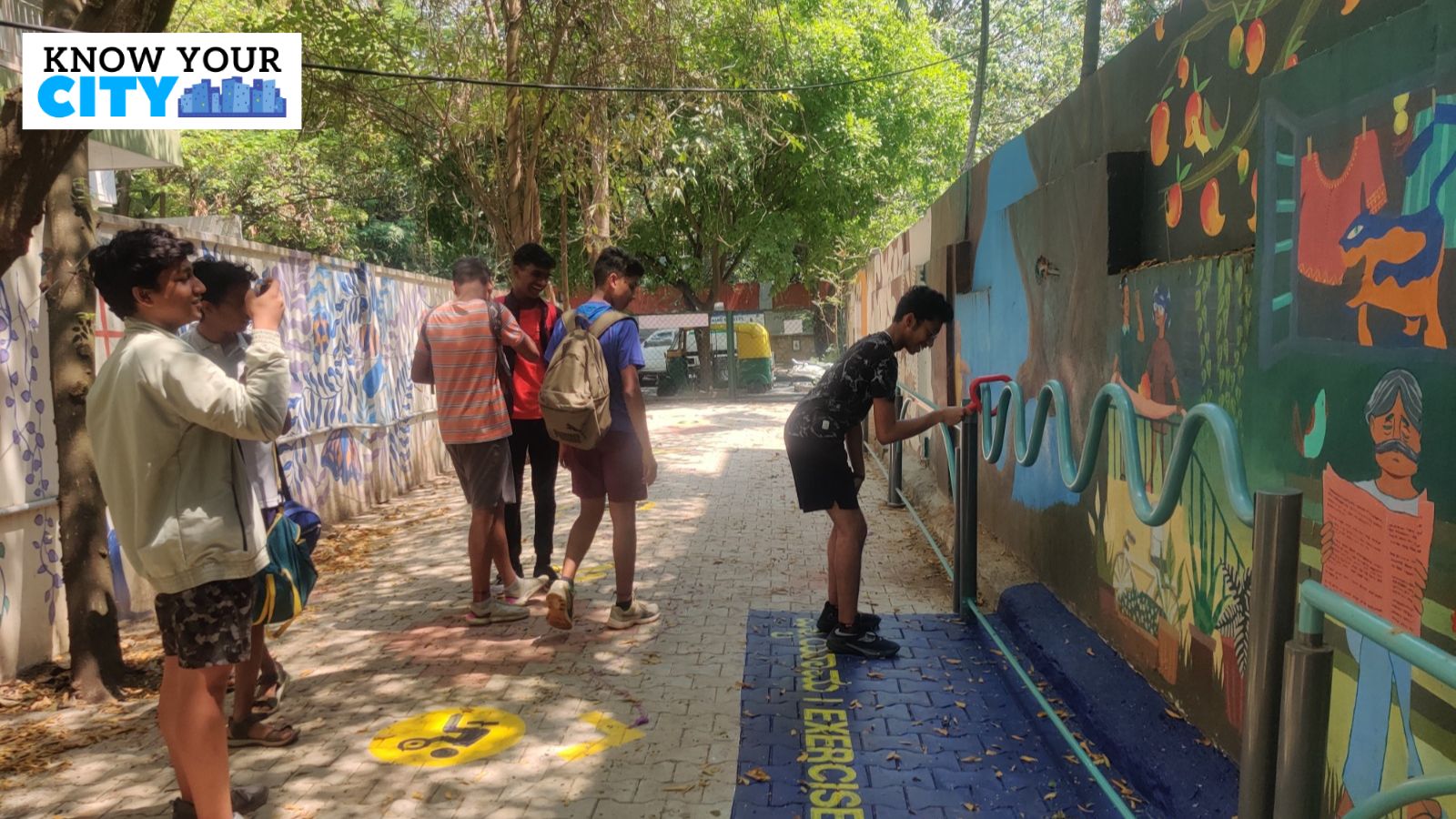
As the 19th century drew to a close in Bengaluru, an old enemy reared its head once more – the plague. After the first case in the wave was reported in 1898, the disease claimed hundreds of lives, and lingered on in the city’s pockets for years afterwards. While inextricably linked, the Cantonment area and the old town or “pete” area of Bangalore were physically apart from each other but still the British administration took action, if only out of self-interest, to remedy unsanitary conditions in the Indian quarters. Besides the threat of potentially undermining the stability of the regime, the British themselves were not insulated from the disease in the Cantonment. Soldiers could hardly be expected to remain in their accommodations at all hours, and even Englishmen and women lower down on the social rung had several Indian servants. Figures such as a young Winston Churchill would go so far as to borrow money from local moneylenders to keep up such appearances In this context, the close of the 1800s and early 1900s saw …

![Tiku Talsania shares insights on Bollywood’s evolution, state of comedy today and more [Exclusive]](https://st1.bollywoodlife.com/wp-content/uploads/2025/05/Yellow-Pink-Illustration-Tutorial-Korean-Food-YouTube-Thumbnail-2.jpg "Tiku Talsania shares insights on Bollywood’s evolution, state of comedy today and more [Exclusive]")