How Israeli Strikes Triggered Toxic Fallout
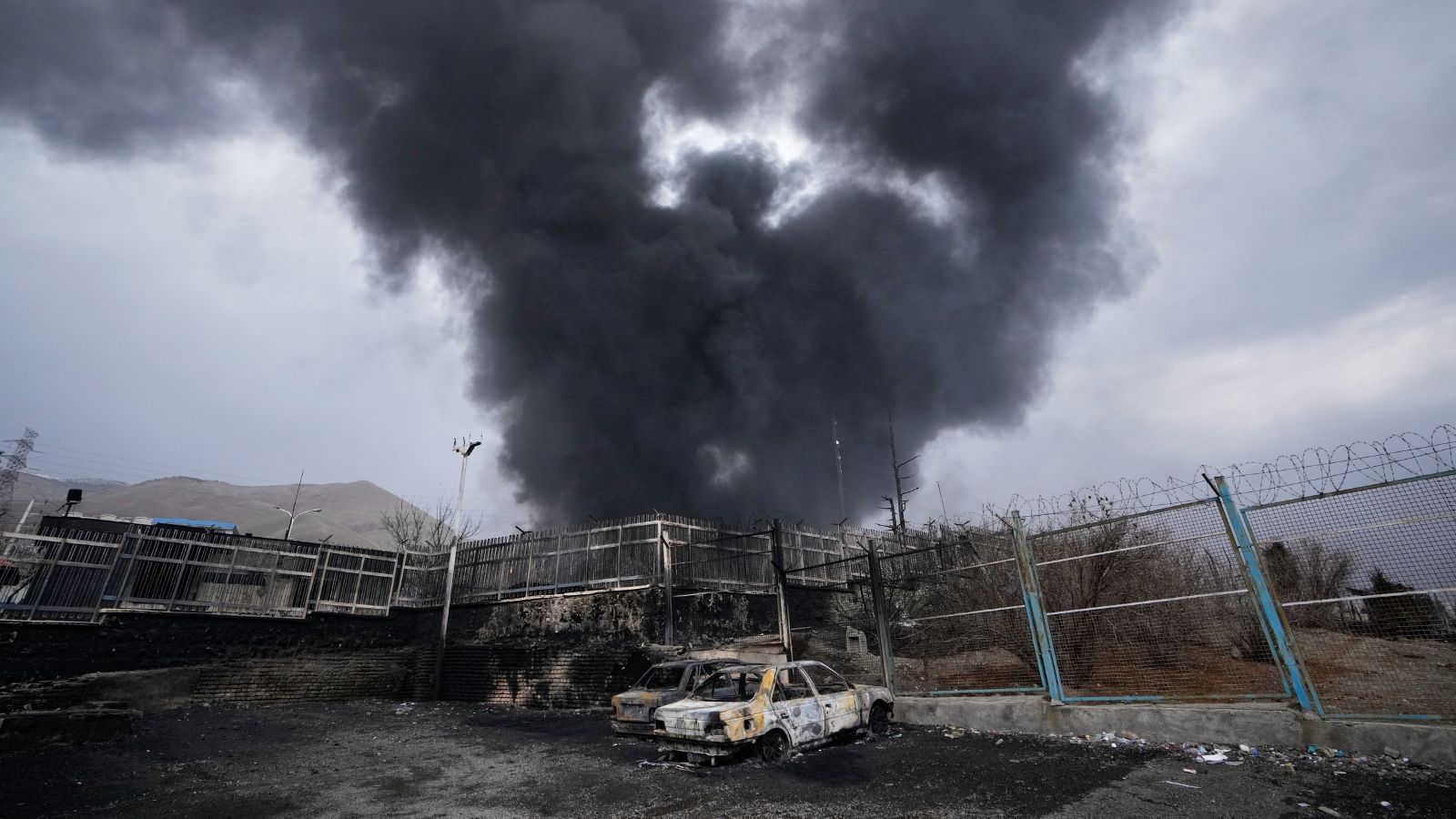
When Tehran residents stepped outside on Sunday morning, something was very wrong with the rain. It wasn’t the usual grey drizzle. It was black — oily, soot-laden droplets coating cars, clothes, and skin, falling dozens of miles from the source of the disaster. This was “black rain” in Iran and it has become one of the war’s most alarming consequences. On the night of March 7-8, Israeli strikes hit four oil storage facilities and an oil production transfer centre in Tehran and the province of Alborz, igniting large fires that burned for hours. The targeted sites included the Aghdasieh oil warehouse in northeast Tehran, the Shahran oil depot, and the Tehran refinery in the south. The Iranian Red Crescent was quoted by The Times of Israel as saying that the explosions released significant quantities of toxic hydrocarbon compounds, sulfur, and nitrogen oxides into the air. As rain moved through the pollutant-saturated skies over the city, it absorbed these chemicals — and fell back down as oily, blackened precipitation. Scientists explained that the black rain resulted …