Dharmendra Pradhan’s resignation was a victory for CJP — and Modi. Here’s why
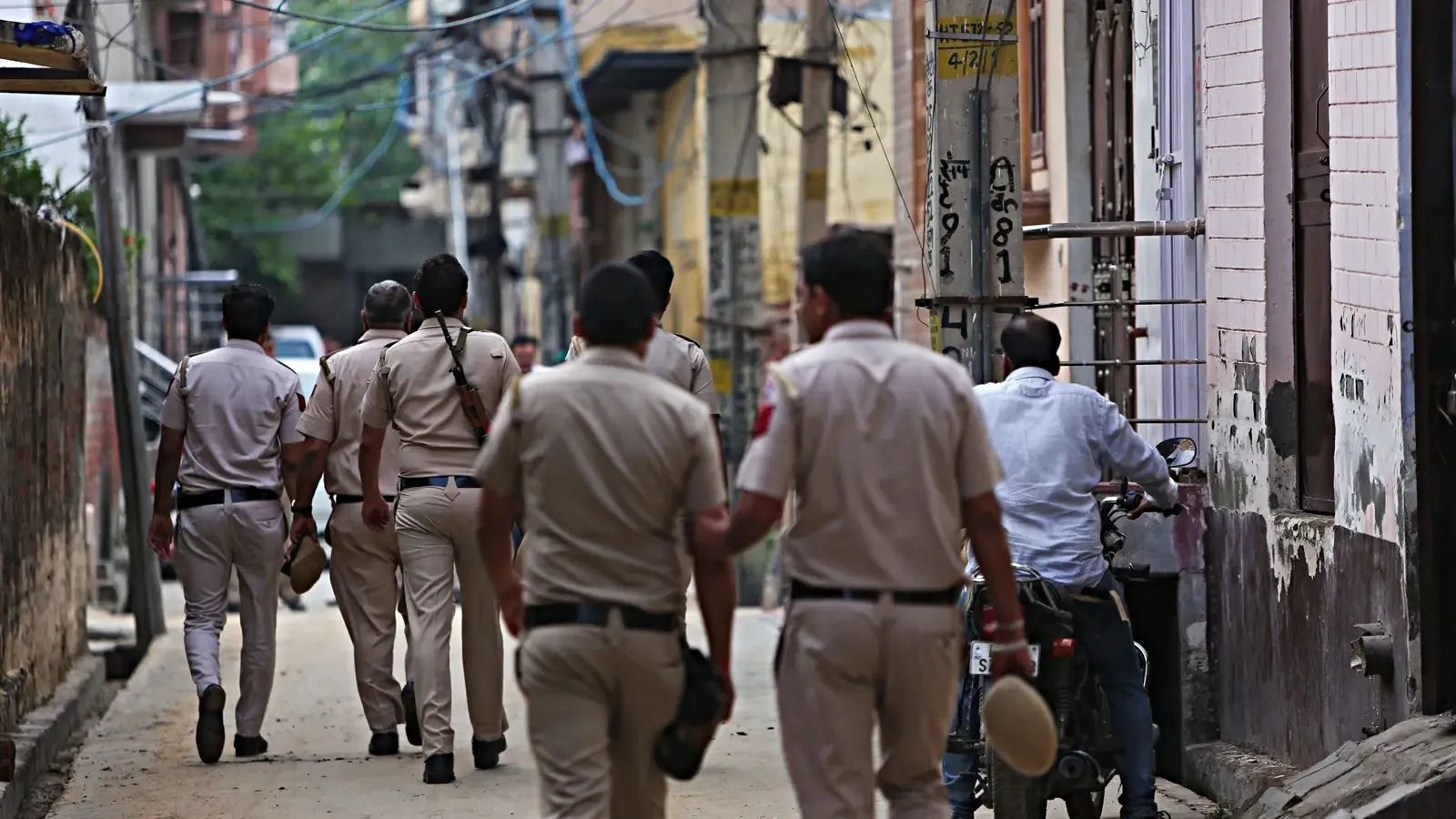
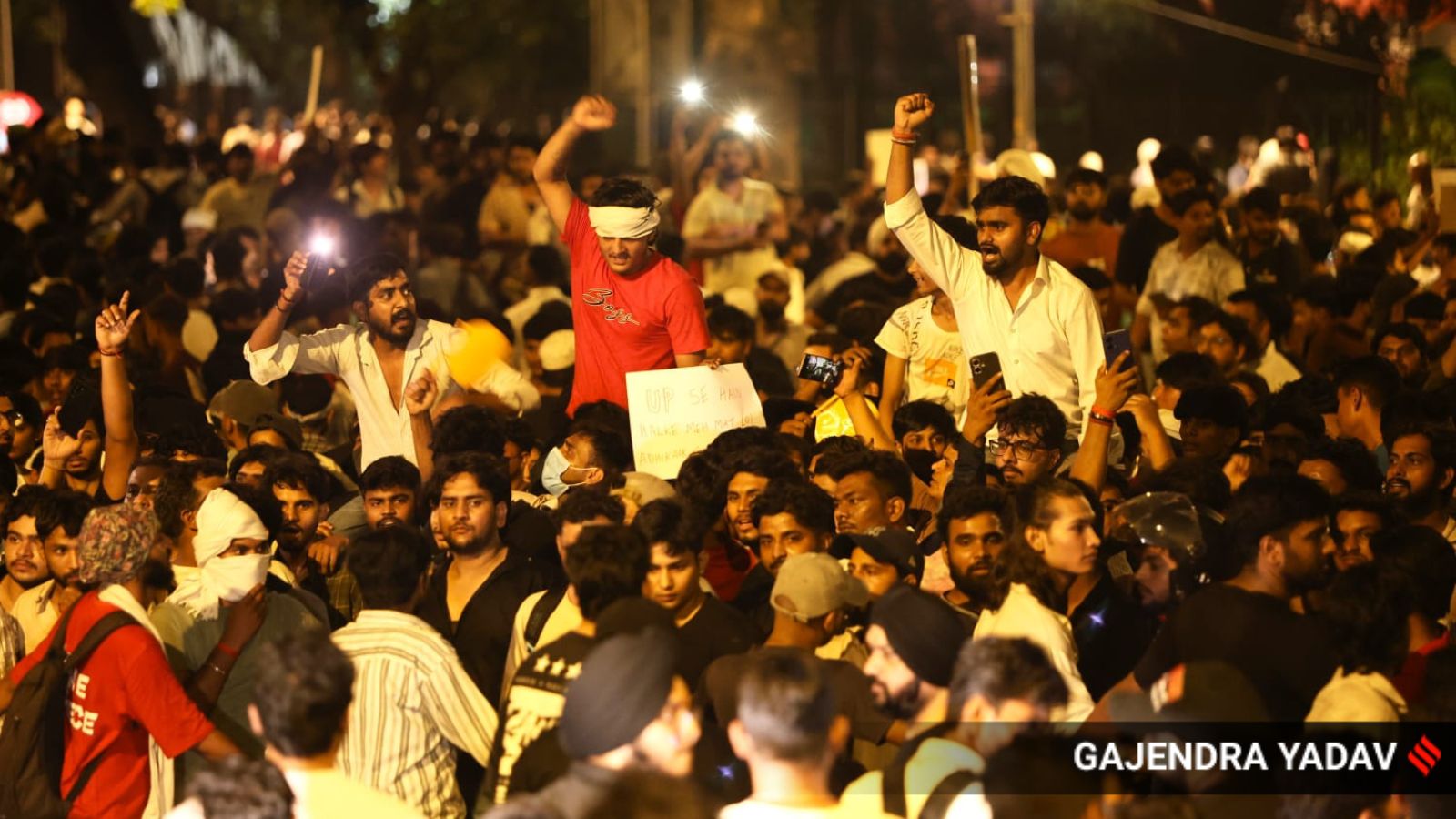
Rarely does a mass movement end with every major stakeholder claiming some measure of success. The Cockroach Janta Party (CJP) movement demanding Dharmendra Pradhan’s resignation as India’s Education Minister is such a moment. While Pradhan resigned, the movement also reshaped Indian politics by creating unexpected winners. Prime Minister Narendra Modi, unlikely winner Many viewed his acceptance of Pradhan’s resignation as a capitulation. Yet, by conceding to the protesters’ principal demand, Modi demonstrated political pragmatism. His government initially followed its familiar script — questioning the motives of Sonam Wangchuk and other leaders, and attempting to weaken the movement by removing Wangchuk from Jantar Mantar. Instead, those actions strengthened public resolve and expanded youth participation. The turning point came on July 20, when lakhs of young people marched towards Parliament. The scale of mobilisation caught the government completely off guard. Although police resorted to lathi-charges and tear gas, protesters remained disciplined, preventing a confrontation that could have turned violent. As negotiations failed to defuse the movement and protests spread across the country, the government realised that the …