All posts tagged: Urdu

From the Urdu Press: ‘BJP should come clean on Ram temple theft row’; ‘Govt must hold talks with Cockroach Janta Party’ | Political Pulse News

From the Urdu Press: ‘BJP should come clean on Ram temple theft row’; ‘Govt must hold talks with Cockroach Janta Party’ | Political Pulse News

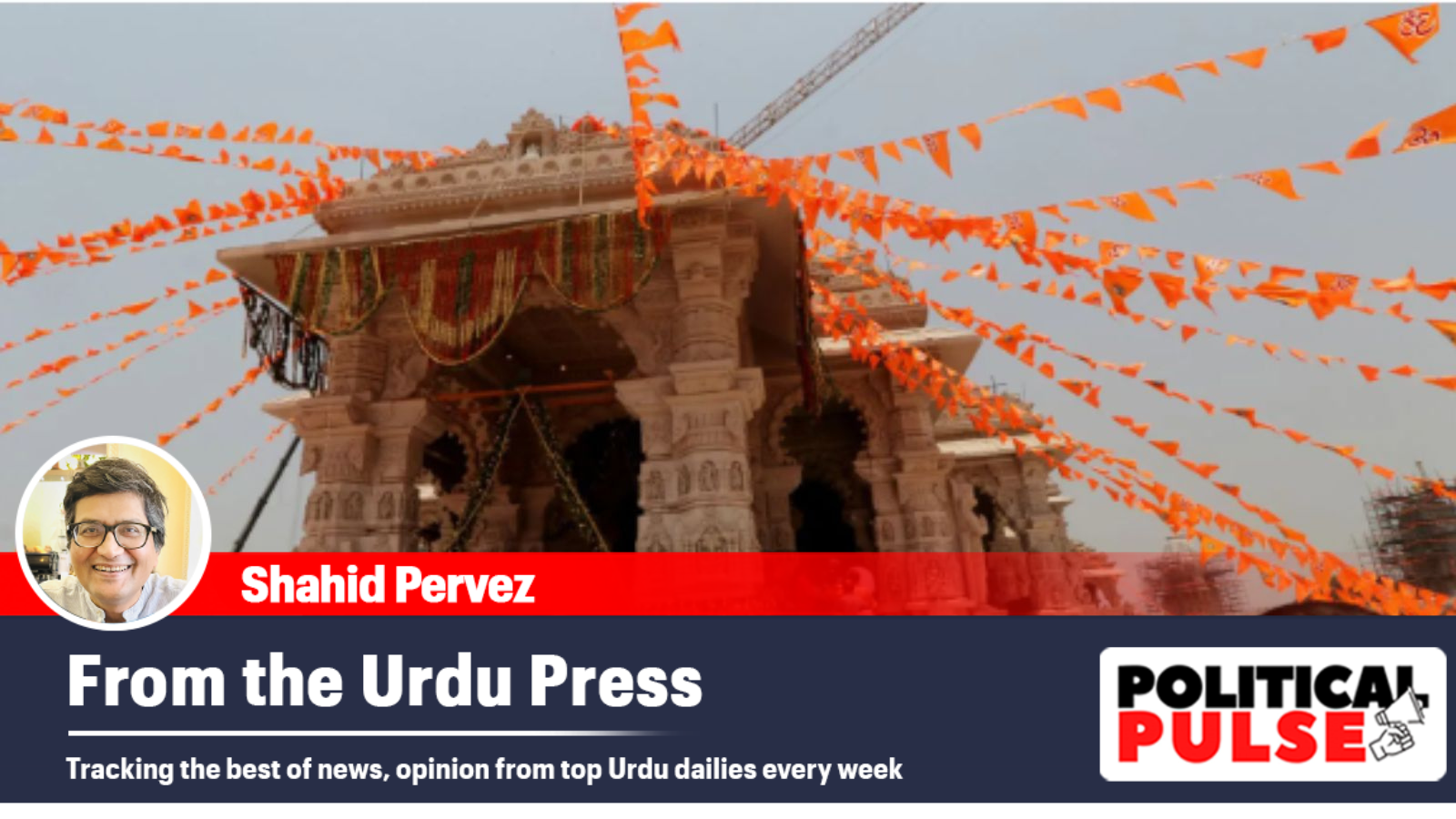
With the Cockroach Janta Party (CJP)’s protest continuing at Delhi’s Jantar Mantar, demanding accountability and resignation of Union Education Minister Dharmendra Pradhan over various alleged irregularities in the education sector including paper leaks, prominent activist Sonam Wangchuk has now also joined its stir, undertaking an indefinite hunger strike. This youth protest remained a key focus of the Urdu dailies through the week, which also put a spotlight on the raging controversy over the alleged embezzlement of funds and valuables donated to the Ayodhya Ram temple and its political ramifications. Highlighting the Cockroach Janta Party’s stir, the Hyderabad-based Siasat, in its June 24 editorial, points out that the CJP activists and supporters have been holding a peaceful sit-in in the heart of the national capital since June 20 to protest alleged irregularities in various entrance and recruitment exams such as the NEET paper leak, but it has not had any impact on the central government so far. “It is the government’s responsibility to reach out to the protesting students and youths and resolve their concerns, but …

Ghalib, Mir and Faiz: What we no longer hear in Urdu poetry | Books and Literature News

Ghalib, Mir and Faiz: What we no longer hear in Urdu poetry | Books and Literature News

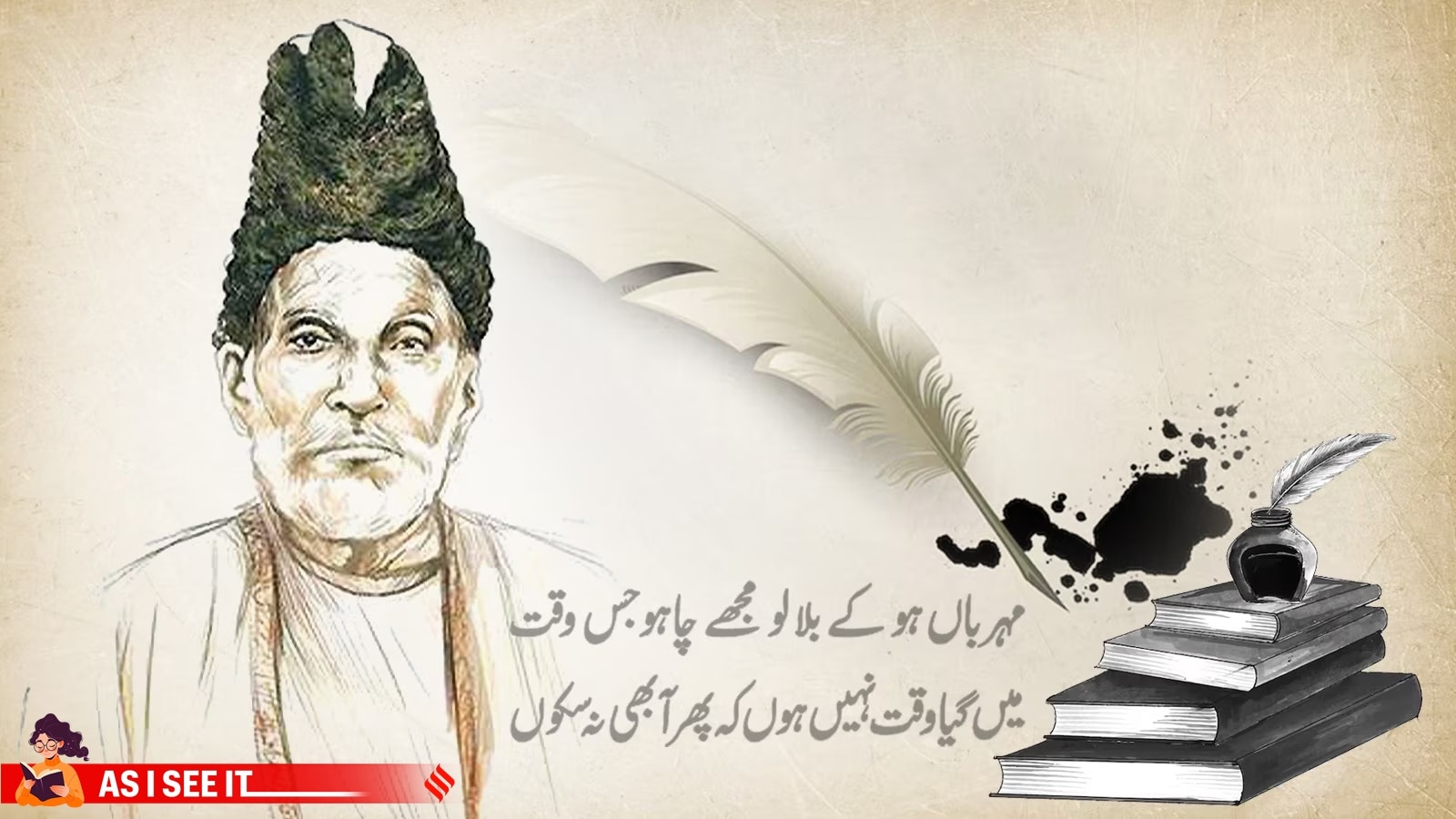
Ghalib has become safe. This is the most consequential literary fact about contemporary Indian culture and among the least examined. His couplets end corporate emails. His name is invoked at literary festivals as proof of civilisational coexistence. His complaints about God are received as charming skepticism, the posture of a witty agnostic born before agnosticism had a name. And the entire theological universe that made his poetry possible, that gave it its specific gravity and daring and precision, is treated as historical background rather than living argument. This transformation did not happen through hostility. Nobody burned Ghalib’s books or banned his verses. The secular reception of Urdu poetry, consolidated across seventy years of post-Independence cultural life, did not attack the tradition. It curated it. It selected from it the elements most easily received without theological commitment, amplified those elements into the dominant understanding of what the tradition is, and allowed the rest to recede without announcement. The result is a version of Urdu poetry that is widely loved and partially understood. The vocabulary and its …

From the Urdu Press: ‘Behind Shivakumar’s elevation, Rahul Gandhi’s new politics’; ‘BJP top brass must defuse Bengal storm’ | Political Pulse News

From the Urdu Press: ‘Behind Shivakumar’s elevation, Rahul Gandhi’s new politics’; ‘BJP top brass must defuse Bengal storm’ | Political Pulse News

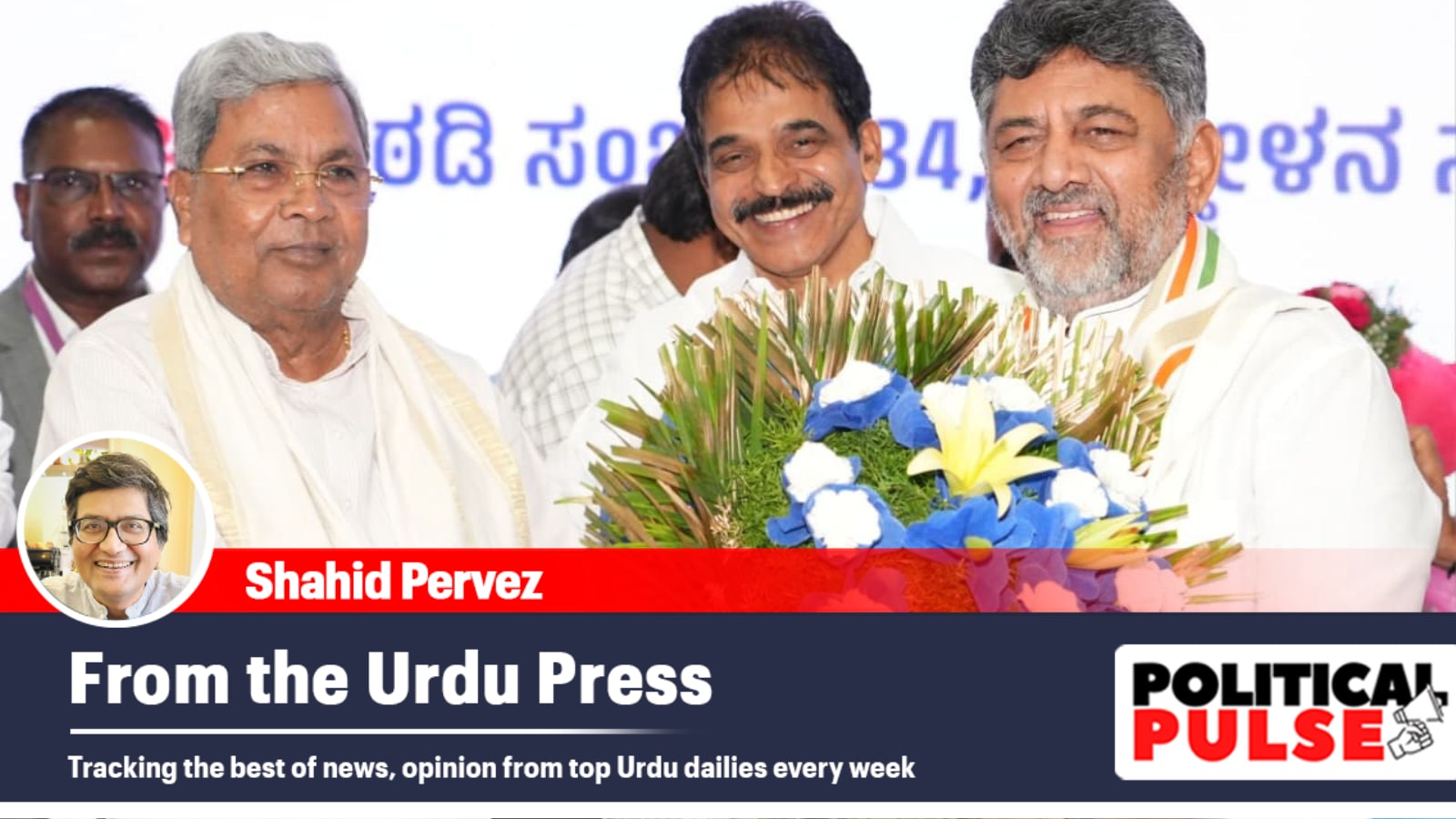
From politics to education, the changing of the guard in the Congress government in Karnataka to the NEET-CBSE rows and youth protests — the Urdu dailies covered multiple grounds over the week, spotlighting the concerns and anguish of millions of young students and their families. The dailies also kept the focus on the fraught political situation in West Bengal turning more volatile in the first month of the first-ever BJP government. Referring to Karnataka Deputy Chief Minister D K Shivakumar’s elevation as a successor to CM Siddaramaiah, the New Delhi edition of Inquilab, in its May 31 editorial, says the development indicated that the Congress high command was no longer in a mood to let itself be held hostage to the intra-party power struggle and factional feuds in the state. “The Congress leadership seems to have learnt an essential lesson by its failures to tackle similar tussles in some other states in the past, such as between Ashok Gehlot and Sachin Pilot in Rajasthan, or between Bhupesh Baghel and T S Singh Deo in Chhattisgarh, …

Bashir Badr, celebrated Urdu poet and Padma Shri recipient, passes away at 91

Bashir Badr, celebrated Urdu poet and Padma Shri recipient, passes away at 91

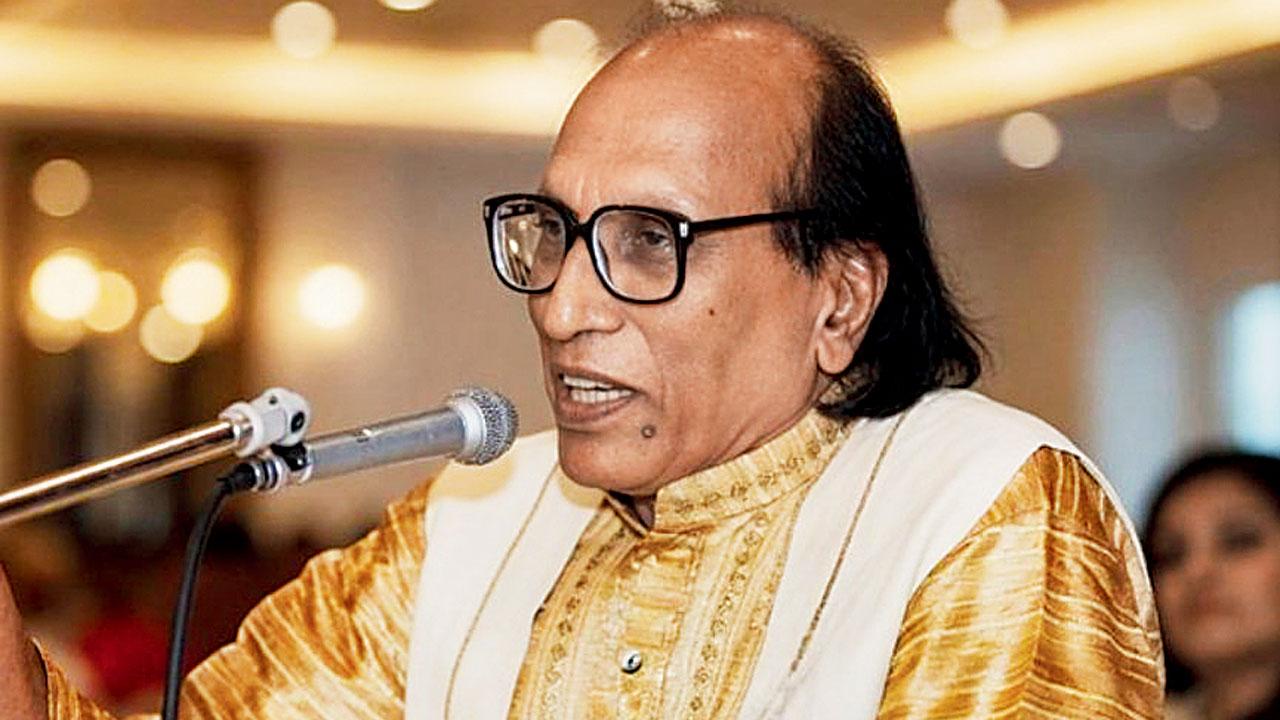
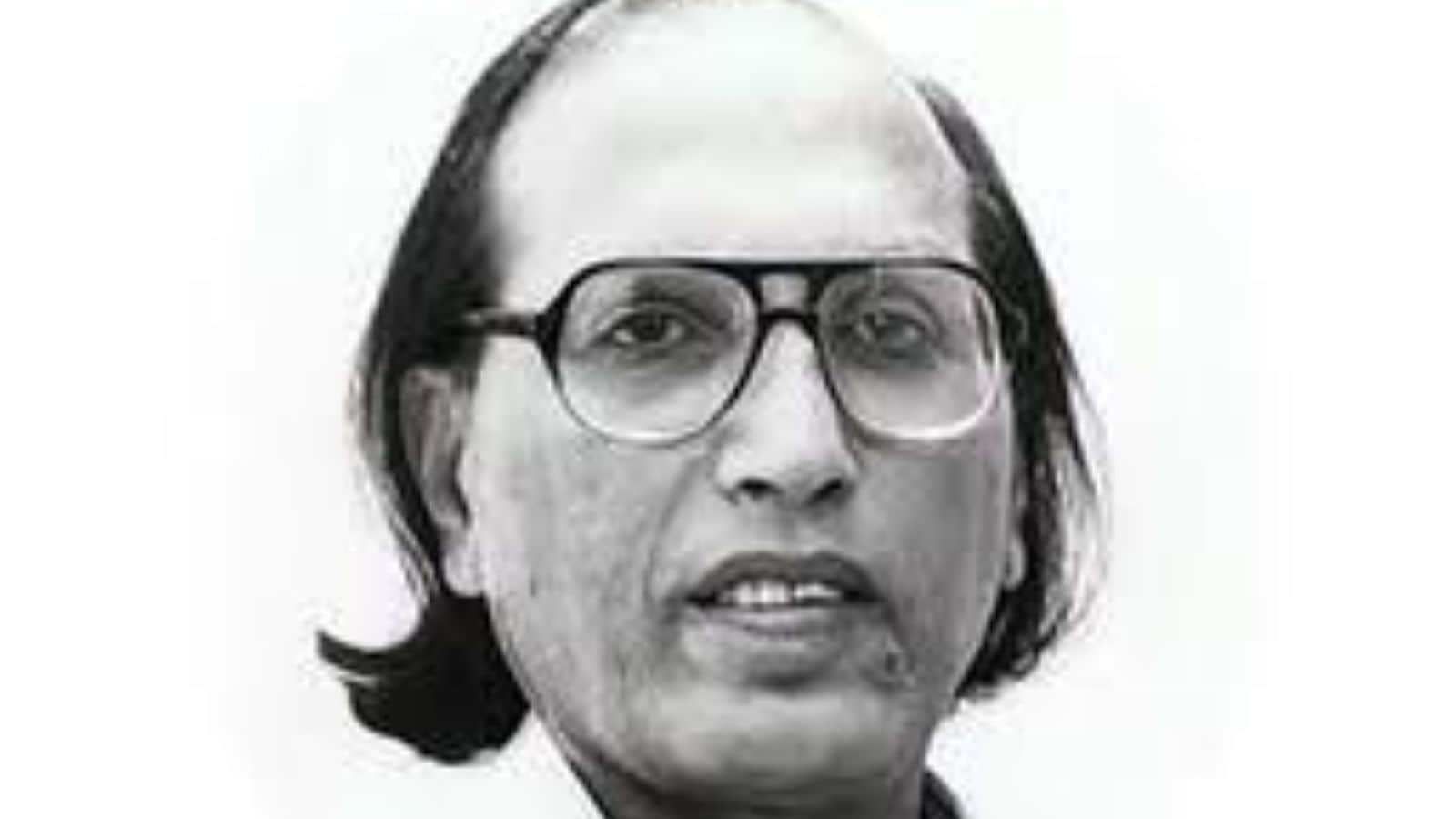
Legendary poet Bashir Badr, a Padma Shri awardee who wrote famous couplets like ‘Ujale apni yaadon ke hamare saath rehne do’, passed away at his home in Bhopal on Thursday. He was 91. During the Shimla Agreement between India and Pakistan in 1972, Badr wrote the famous couplet ‘Dushmani jam kar karo lekin ye gunjaish rahe, jab kabhi hum dost ho jayein to sharminda na hon’. This story has been sourced from a third party syndicated feed, agencies. Mid-day accepts no responsibility or liability for its dependability, trustworthiness, reliability and data of the text. Mid-day management/mid-day.com reserves the sole right to alter, delete or remove (without notice) the content in its absolute discretion for any reason whatsoever Disclaimer: We do not own any of the content, ideas, images, or text presented here. All rights belong to their respective owners. For more information and to view the original source, please visit the following link: Source link

‘Dushmani jam kar karo lekin…’ : Bashir Badr, poet who modernised the Urdu ghazal, passes away at 91 | Books and Literature News

‘Dushmani jam kar karo lekin…’ : Bashir Badr, poet who modernised the Urdu ghazal, passes away at 91 | Books and Literature News

4 min readUpdated: May 28, 2026 10:42 PM IST In July 1972, when former Pakistan Prime Minister Zulfeqar Ali Bhutto came to India to sign the landmark Simla Agreement on bilateral relations between India and Pakistan, he reached for an Urdu couplet to capture the moment. The couplet, he chose—Dushmani jam kar karo lekin ye gunjaaish rahe, jab kabhi hum dost hojaayein to sharmindah na hon (Perform your duty as the enemy wholeheartedly, but make sure that if we ever become friends, we are not embarrassed)–had been written by the poet Bashir Badr, who passed away at his home in Bhopal on Thursday. He was 91. Born in the winter of 1935 in Ayodhya, which was then part of the United Province in British India, to a civil servant father and “pious” mother, Bashir was a prodigious child. He composed his first couplet when he was just seven, reciting his first ghazal before an audience in 1946 in the city of Etawah, where he was given the title, Badr, meaning the moon, which he chose …

Famous Urdu poet Bashir Badr dies in Bhopal

Famous Urdu poet Bashir Badr dies in Bhopal

Renowned Urdu poet and Padam Shri awardee Bashir Badr passed away at the age of 91 at his residence, Bashir Manzil in Bhopal, after prolonged illness, his family said. Born in Ayodhya, Uttar Pradesh on February 15, 1935, educated in Etawah and Aligarh, and later serving in Meerut, he eventually settled in Bhopal at Bashir Manzil in Fatehgarh area of Bhopal. (X) “Bashir Sahib left us… Prayers,” his wife, Rahat Badr, said in a social media post. He is survived by his wife and two children. According to this family, he breathed his last in the room where he used to conduct poetic gatherings. Born in Ayodhya, Uttar Pradesh on February 15, 1935, educated in Etawah and Aligarh, and later serving in Meerut, he eventually settled in Bhopal at Bashir Manzil in Fatehgarh area of Bhopal. Badr earned his bachelors and doctorate from Aligarh Muslim University (AMU), where he taught Urdu for several years before heading the Urdu department at Meerut College for 17 years. His early poetic work was included in the AMU’s curriculum …

Viraha: Understanding the sacred ache of longing through Urdu poetry and the monsoon | Eye News

Viraha: Understanding the sacred ache of longing through Urdu poetry and the monsoon | Eye News

It begins not with a sound, but with the absence of one. The room still holding the echo of laughter, the residue of revelry, the shimmer of voices that rose and receded, of glasses set down too quickly, of bodies that leaned in just a little too close, of eyes that promised something and meant something else. And now, nothing. Just the low, lingering, liquid hum of the sea pressing itself against Bombay’s edges, as if the city is breathing in my place, because I have forgotten how. This—this quiet, creeping, consuming ache—has a name. Viraha. In the languages of the subcontinent, Viraha is not simply longing, not merely missing someone. It is the sacred, searing space between presence and absence. It is love stretched across distance, across time, across impossibility. It is the moment when you are fine all day—fluid, functional, forward—until you are not. It is the body remembering what the world has taken away. It is desire without destination, devotion without fulfilment. It is grief that glows, absence that arrives, loss that …

Urdu Press Flags 89 Lakh Deleted Voters in Bengal as US-Iran Peace Talks Collapse in Islamabad

Urdu Press Flags 89 Lakh Deleted Voters in Bengal as US-Iran Peace Talks Collapse in Islamabad

6 min readNew DelhiApr 14, 2026 08:10 PM IST First published on: Apr 14, 2026 at 08:09 PM IST While the West Asia crisis continues to dominate the coverage of the Urdu dailies, with the breakdown of the US-Iran peace talks and its follow-up shaping their front-pages, they have kept the focus on the ongoing Assembly polls too. Over the week, the dailies put the spotlight on the West Bengal elections, flagging the plight of lakhs of state voters whose names have been deleted from the electoral rolls in the wake of the controversial Special Intensive Revision (SIR)-adjudication exercise. Siasat Commenting on the collapse of the unprecedented direct talks between the United States and Iran in Islamabad amid the two-week ceasefire, the Hyderabad-based Siasat, in its April 13 editorial, points out that their differences over Tehran’s nuclear programme and the reopening of the Strait of Hormuz seemed to be the “dealbreaker”. This led to President Donald Trump’s decision that the US will blockade the Strait, the critical Gulf chokepoint for transit of 20% of the …

‘What kind of question is this?’: Exasparated Javed Akhtar on Sanskrit, Urdu, Tamil and the politics of language | Bollywood News

‘What kind of question is this?’: Exasparated Javed Akhtar on Sanskrit, Urdu, Tamil and the politics of language | Bollywood News

It was a clumsy question designed to provoke, or perhaps to trap. An audience member asked Javed Akhtar, the poet and Bollywood lyricist, which language was older: Urdu or Sanskrit. The writer — who until then had been interceding with the organisers on the audience’s behalf, indulging questioner after questioner — looked on incredulously. “What kind of question have you asked me?” he responded, his voice a mix of bafflement and gentle admonishment. “Urdu is Sanskrit’s younger sister (chotti behen). Sanskrit is the world’s second-oldest living language. Urdu is not even a thousand years old.” The questioner, backtracking, then reframed the query: what about Tamil and Sanskrit? Javed Akhtar clarified that Tamil is recognised as the world’s oldest living language, while Sanskrit is the second oldest. A more sensible question, he said, would have been, if he had been asked about Greek or Latin. Learning words as a game Earlier, asked about his mother, Javed Akhtar had begun with a soft deflection. “At this age I should be speaking about my granddaughter,” he said, before …

Dharmendra had a ‘tough time’ dubbing for Ikkis, recalls director; says late star would rewrite his lines in Urdu | Bollywood News

Dharmendra had a ‘tough time’ dubbing for Ikkis, recalls director; says late star would rewrite his lines in Urdu | Bollywood News

Sriram Raghavan’s upcoming war drama Ikkis is the final film of late icon Dharmendra’s illustrious acting career. Unfortunately, he passed away on November 24, a month before the release of the film. In a recent interview, Sriram revealed that the actor wasn’t feeling his best while dubbing for the film in October. He also recalled his experience of working with Dharmendra, and how the star would to rewrite his lines in Urdu. During a candid conversation with Galatta Plus, he shared, “We had some dubbing with him in October. Before that also, he used to keep asking about how the movie was shaping up and when I would show it to him. I told him he could watch it before the dubbing, but he had some work, so he asked to watch it on another day. But, he saw around 50-70% of the film, he sort of liked it.” Sriram continued, “At that time, I could see that he was having a tough time dubbing. I told him to get better soon. We had finished …