All posts tagged: water scarcity

Low rainfall pushes up water tanker demand across Marathwada

Low rainfall pushes up water tanker demand across Marathwada

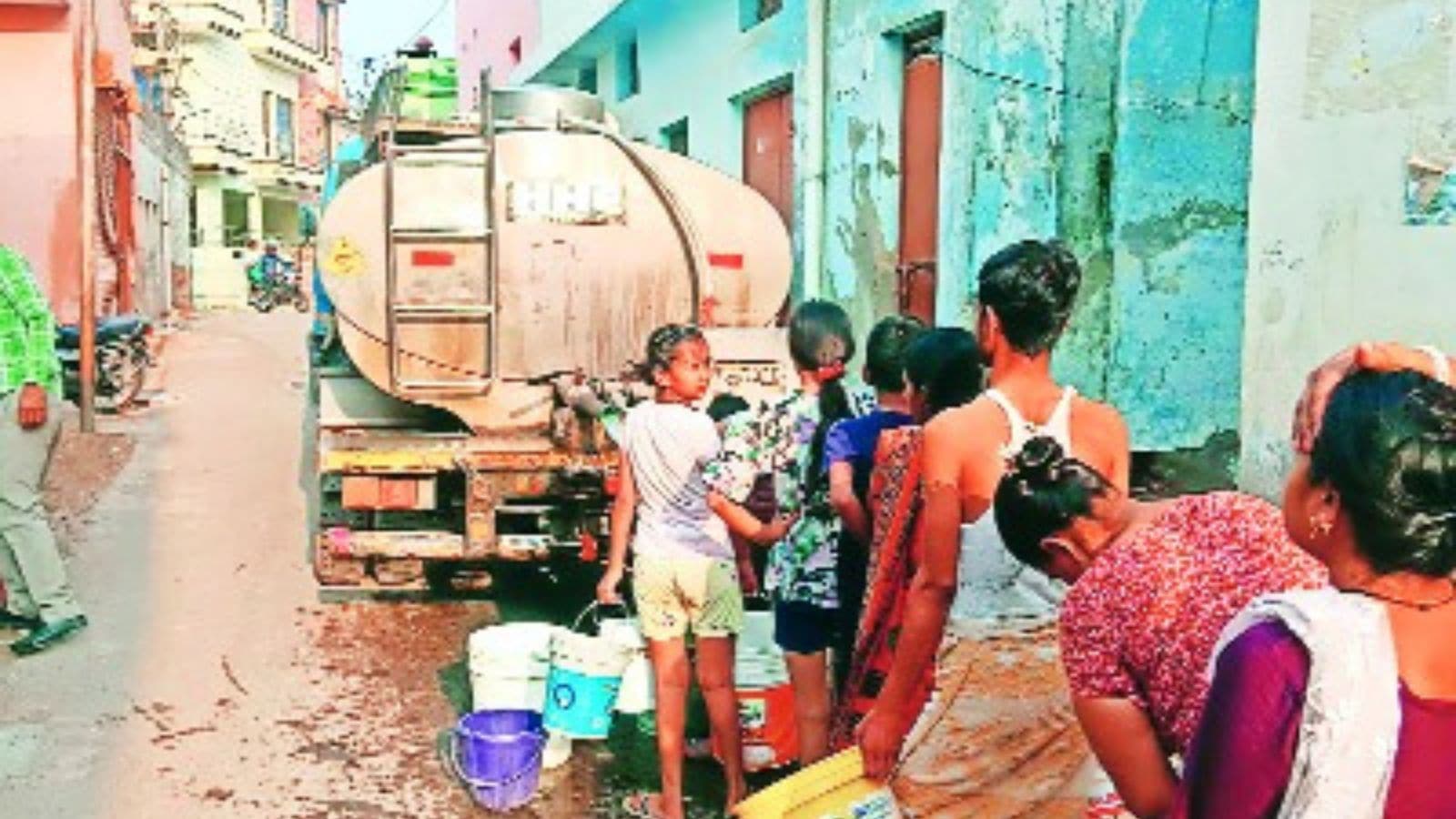
A prolonged spell of below-average rainfall has led to a sharp increase in the number of water tankers supplying villages across Maharashtra’s Marathwada region, according to the local administration, reported the PTI. Officials said that the number of tankers has risen by more than 100 in just one week as water shortages continue to affect several rural areas. Marathwada, which comprises the districts of Chhatrapati Sambhajinagar, Jalna, Beed, Nanded, Hingoli, Dharashiv, Latur and Parbhani, has received 163.7 mm of rainfall against the seasonal average of 218.1 mm up to July 14, the news agency reported. It means the region has recorded only around 75 per cent of its expected rainfall so far, increasing pressure on water resources. More villages now depend on tankers According to a report by the Divisional Commissioner’s office, the number of water tankers supplying villages increased from 200 on July 7 to 303 by 13 July. The report also noted that 182 villages and 117 settlements across seven districts are now dependent on tanker supplies for drinking water. Dharashiv is the …


Water shortage to affect parts of Karnataka in summer: Report| India News

Water shortage to affect parts of Karnataka in summer: Report| India News

Parts of Karnataka are likely to face drinking water shortages this summer, with several regions already under stress, according to a report by the State Level Weather Watch Committee. Water shortage to affect parts of Karnataka in summer: Report The report estimates that 207 taluks could experience water scarcity in the coming months, while 60 taluks are already affected. At the village level, 2,258 gram panchayats have been identified as vulnerable, including 212 that are currently facing severe shortages. The impact is concentrated in certain districts, said the report. Uttara Kannada, Belagavi, Kalaburagi and Tumakuru account for the highest number of affected taluks. At the gram panchayat level, Kalaburagi has the largest number of affected local bodies, followed by Uttara Kannada, Haveri, Mandya and Belagavi. “Authorities have begun mitigation efforts, deploying four government tankers and 56 private tankers to supply water in affected areas. In addition, 270 private borewells have been pressed into service, providing water to 246 villages,” said an official in the know of the development. Officials warned that conditions may worsen as …

Every drop tells a story

Every drop tells a story

India holds around 4% of the world’s freshwater for approximately 16-17% of its population. The instinct is to read that as alarm. But India has always been a nation that adapts in the face of adversity and on water, the signs of that adaptation are everywhere, if you know where to look. Water (Pexels) The debate around water typically centres on the looming threat of scarcity. What it should centre on is something more actionable: Effective management. The challenge India faces is less about how much water exists and more about how intelligently we use, reuse, and distribute what we have. Viewed through that lens, this is not a story of crisis alone. It is a story of an extraordinary civilisation arriving at a genuine reckoning with a resource it can no longer afford to take for granted. Understanding India’s water story requires a layered lens. Agriculture accounts for nearly 87% of extracted groundwater used for irrigation and it remains an inseparable pillar of the national economy. Restricting agricultural water use outright is neither realistic …

A model tribal school in Maharashtra battles water scarcity to fight migration

A model tribal school in Maharashtra battles water scarcity to fight migration

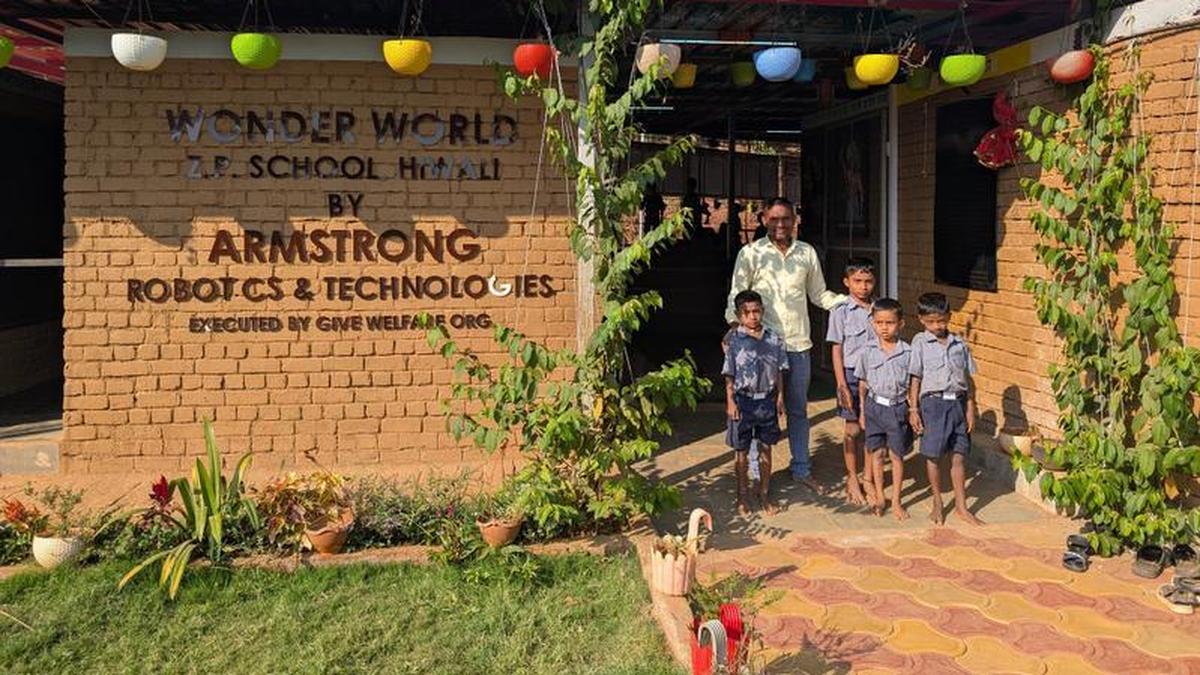
Six-year-old Ananya Gavit can write with both her hands, read English textbooks meant for sixth graders and recite articles from the Constitution of India. Like her, 59 children who come to the Zilla Parishad School in Hiwali, a remote tribal hamlet in Maharashtra’s Tryambakeshwar taluka in Nashik district, find second home here. They are protected from seasonal migration. The school runs 365 days of the year, 12 hours a day, providing two meals to all the enrolled children. There are no weekends, no public holidays. The teachers come every day, so do students, many from as far as 22 km. In fact, one parent from a tribal district which is over 110 km away from this school, has taken a room on rent in the hamlet to ensure education for his child. The dropout rate is zero, prides the school. The focus is on activity-based, experiential and hands-on learning, with an emphasis on vocational training, agriculture. The children are also prepared for competitive examinations. The impact of the school and the attention it has garnered, …

Muddy water, dry tanks: Chandigarh reels under worsening water crisis | Chandigarh News

Muddy water, dry tanks: Chandigarh reels under worsening water crisis | Chandigarh News

Once a symbol of modern urban planning, Chandigarh is now battling an intensifying water crisis. Across sectors and peripheral villages, residents are receiving muddy, low-pressure water — or none at all. Amid rising temperatures and monsoon warnings, frustration is mounting over the administration’s slow response and ageing infrastructure. In Sector 19, Vijaypal Singh, Chandigarh president of Aam Aadmi Party and former Deputy Superintendent of Police, described the situation as dire. “We’ve been getting dirty water for the past 15 days. Villages were already suffering, and now even urban sectors are in the same situation. In Kaimbwala, residents are forced to drink cow’s milk because there’s no water at all. Animals are going without water too. We pay high taxes and steep water bills, but can’t even get clean drinking water. It’s unacceptable.” Story continues below this ad Even in Sector 16, one of the city’s most affluent neighbourhoods, residents are grappling with discoloured water. “We receive water twice a day — morning and evening — and for the first 30 minutes both times, it’s completely …

Fearing water shortage, PCMC announces emergency measures. Here’s what they are | Pune News

Fearing water shortage, PCMC announces emergency measures. Here’s what they are | Pune News

With the demand for drinking water rising and the threat of water scarcity looming large, the Pimpri Chinchwad Municipal Corporation (PCMC) on Thursday announced a series of urgent measures to ensure uninterrupted supply of potable water to citizens until the arrival of monsoon. “Considering the city’s growing population, the PCMC remains committed to supplying safe drinking water to all residents. Citizens must avoid water wastage, especially during the summer, and cooperate with the administration,” said Pradip Jambhale Patil, acting PCMC Commissioner. Civic officials said current water reserves in the dam are only expected to last until July. Groundwater levels have dropped significantly, many borewells have dried up, and water tanker prices are soaring, officials further said, adding that inactive sewage treatment plants, rising unauthorised water connections, and the misuse of drinking water for washing vehicles, etc, were adding to the problem. Story continues below this ad Urging citizens to use water judiciously until monsoon arrives, Ajay Suryawanshi, Joint City Engineer, PCMC, said, “Strict action will be taken against those wasting water or using it through …

Govt developing Heat Resilience Framework as pilot project for Mumbai, Thane and Nagpur | Mumbai News

Govt developing Heat Resilience Framework as pilot project for Mumbai, Thane and Nagpur | Mumbai News

With extreme heat related events on the rise, Maharashtra government is developing a first-of-its-kind Heat Resilience Framework for Mumbai, Thane and Nagpur cities in a pilot project which seeks to enhance preparedness and responsiveness during heatwave events. The framework will conduct a ward level analysis to map areas facing the highest risk of heat duress, while assessing the cities’ vulnerabilities on five parameters ranging from social to economic factors. According to senior officials, the project seeks to adopt a structured approach to address heat-related challenges and access vulnerabilities at the local level. Speaking at the National Disaster Management Authority’s International workshop on heatwave in February earlier this year, Maharashtra Chief Secretary Sujata Saunik said the initiative will support urban bodies in identifying key areas requiring intervention to strengthen resilience against rising temperatures, as opposed to having a generic approach to heat action at local level. “By enabling local self-governments to analyze various indicators—such as access to essential services, economic stability, and environmental risks—it aims to facilitate targeted policy actions and improve preparedness for extreme heat …