

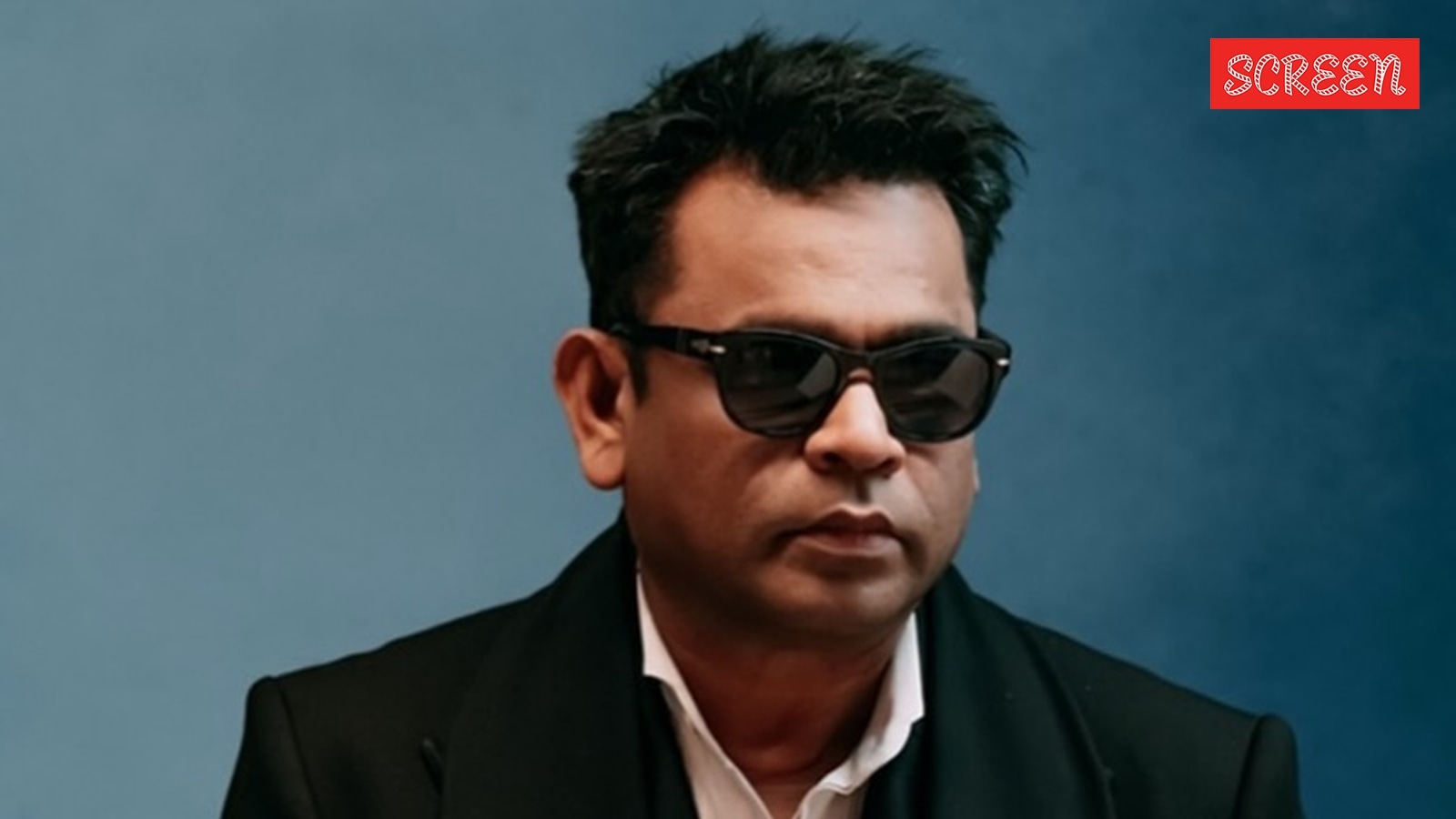
Playback singer and independent musician Sona Mohapatra, known for chart-toppers such as Ambarsariya, Bedardi Raja and Jiya Laage Na, among others, spoke to The Indian Express about Oscar and Grammy-winning composer AR Rahman’s recent BBC interview that sparked intense public debate and said that “the facts simply don’t support AR’s communal assertion“.
In his interview, the Chennai-based composer spoke of a “power shift” in the Hindi film industry, besides losing out on work in the last eight years due to the communal environment in India. After much backlash, Rahman came out with a clarification, calling India his inspiration. “I understand that intentions can sometimes be misunderstood. But my purpose has always been to uplift, honour and serve through music,” he said in a video statement.
ALSO READ: ‘We need to weigh our words carefully,’ says Manoj Muntashir amid AR Rahman’s ‘communal bias’ remark
“He scored Chhaava. He is scoring Ramayana. He continues to be attached to some of the biggest, most high-profile projects in the country, while also being globally active and constantly travelling and likely not available to many projects. By any objective measure, that is not marginalisation,” Mohapatra told The Indian Express.
She said that she would even argue the opposite, as she thinks that Rahman remains a “first-call composer for prestige projects” and that in the case of Chhaava one could argue that the choice of Rahman over composers like Ajay-Atul, “who may be more culturally embedded in that specific sonic landscape, was not merely aesthetic but also symbolic.” “It makes a statement about a plural, pan-Indian idea of culture. Similarly, Ramayana being scored by Rahman and not, say, Ram Sampath, tells us something about how scale, international visibility, and brand stature increasingly influence these decisions,” said Mohapatra, who added that it is important to examine these power dynamics honestly and “explore how many equally capable musicians remain outside these circles not because of lack of merit, but because of how the system privileges familiarity and symbolism,” said Mohapatra.
Mohapatra, whose last film outing was in Kiran Rao’s Laapataa Ladies under the baton of composer and husband Ram Sampath, also iterated that what she’s saying “isn’t a critique of Rahman’s talent, which without doubt is beyond question,” but according to her, “it does complicate the narrative that he’s being edged out.”
Talking about how the industry operates, Mohapatra said, “What we’re really seeing is how Bollywood today functions through a mix of optics, global positioning, legacy names, and risk-averse commissioning.”
Disclaimer: We do not own any of the content, ideas, images, or text presented here. All rights belong to their respective owners. For more information and to view the original source, please visit the following link: