

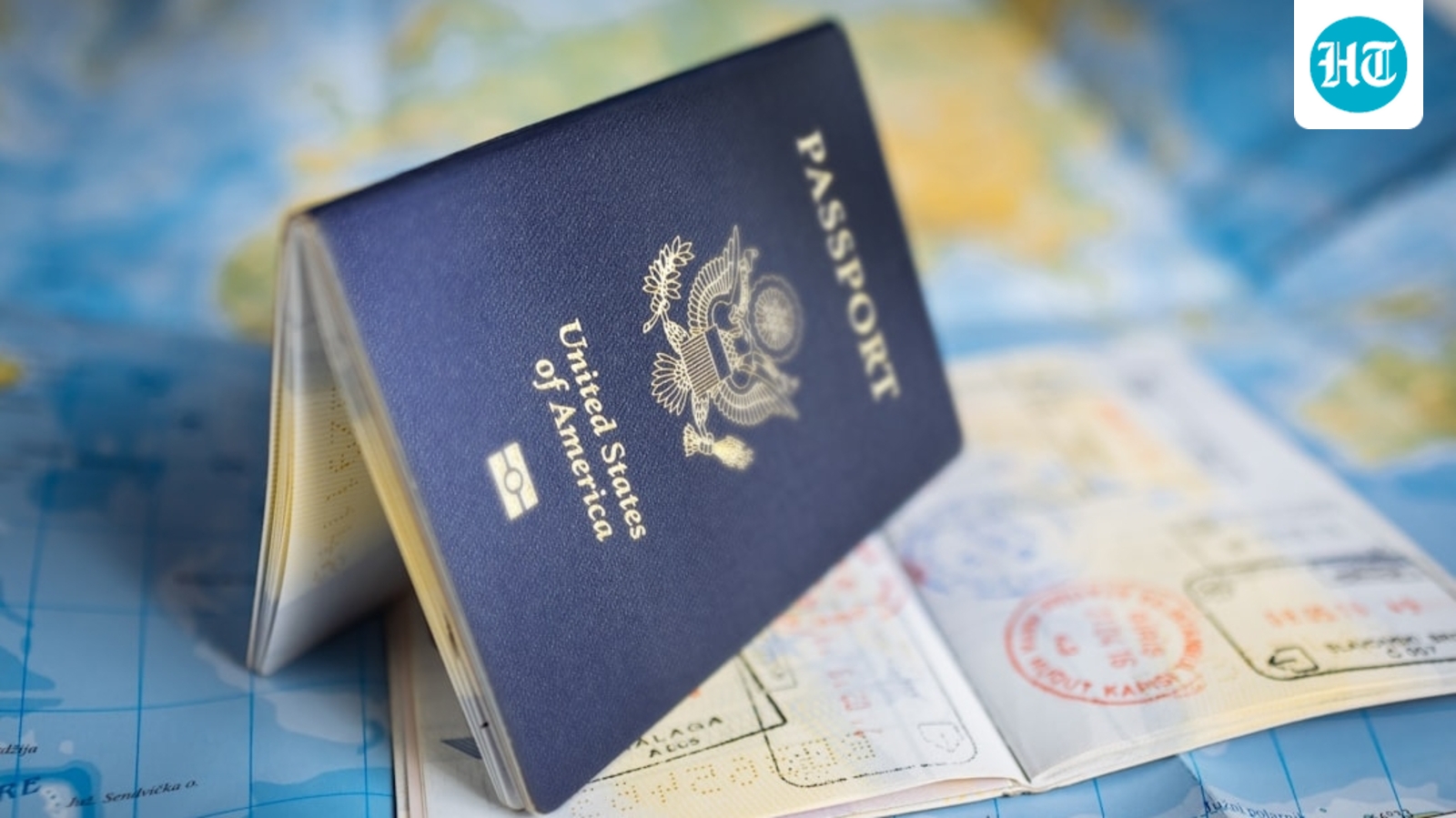
The US passport has slipped to its lowest position in a decade, ranking 10th in the 2026 Henley Passport Index as countries across Asia and Europe continue to widen visa-free travel access for their citizens. Singapore retained the top spot, while according to the latest rankings, more than 30 countries now offer greater travel freedom than the United States.
The Henley Passport Index, one of the world’s most closely watched passport rankings, evaluates travel freedom by measuring how many destinations passport holders can enter without obtaining a visa before departure. The 2026 edition compares 199 passports across 227 travel destinations, making it a widely used benchmark for assessing the strength of passports based on visa-free or visa-on-arrival access.
A decade-long slide
The latest ranking continues a gradual decline for the US passport over the past decade. After holding fourth place in 2016, it slipped to fifth in both 2017 and 2018, dropped to sixth in 2019 and then remained in seventh place through 2024. The passport fell to ninth last year before dropping another place to 10th in the latest index, where it is now tied with Iceland.
The ranking, however, does not suggest that the US passport has become significantly weaker. Instead, it highlights how other countries have expanded visa-free access for their citizens through new bilateral agreements and diplomatic arrangements. As more nations open their borders to one another, the number of destinations that can be visited without securing a visa in advance has increased, allowing several countries to overtake the United States in the rankings.
For American travelers, the shift means that passport holders now require visas or prior travel authorizations for a greater number of destinations than citizens of many higher-ranked countries. The index reflects relative travel freedom rather than overall diplomatic or economic influence, making changes in rankings a result of evolving visa policies across the world.
Where does India stand?
India is ranked 81st in the 2026 Henley Passport Index, giving Indian passport holders access to 55 destinations without needing a prior visa. Although India has improved from its 85th position in 2025, the number of visa-free destinations has declined from 57 to 55, reflecting changes in visa policies by some countries rather than a significant expansion in travel access.
Singapore leads, Asia stays strong
Singapore retained the title of the world’s most powerful passport in the latest rankings. Japan, South Korea and the United Arab Emirates shared second place, while Sweden secured third. Several European nations, including Belgium, Denmark, Finland, Germany, Ireland, Italy, Luxembourg, the Netherlands, Norway and Spain, were also among the highest-ranked passports, underscoring the continued dominance of Europe and Asia in global mobility. Countries such as the United Kingdom, New Zealand, Canada, Switzerland, Austria and Greece also featured in the top 10.
The latest rankings underline the changing dynamics of international travel, where visa-free mobility has become an increasingly important measure of global connectivity. While the US passport remains one of the world’s strongest travel documents, the 2026 index shows that other countries have been expanding travel access at a faster pace, reshaping the global passport rankings.
Disclaimer: We do not own any of the content, ideas, images, or text presented here. All rights belong to their respective owners. For more information and to view the original source, please visit the following link: