

Last Updated:
Doctors say the answer lies not in viral forwards but in decades of scientific evidence, population studies and real-world data from countries that introduced vaccination years ago




As misinformation circulates, some public figures and clinicians have taken to social media to counter it. (AP)
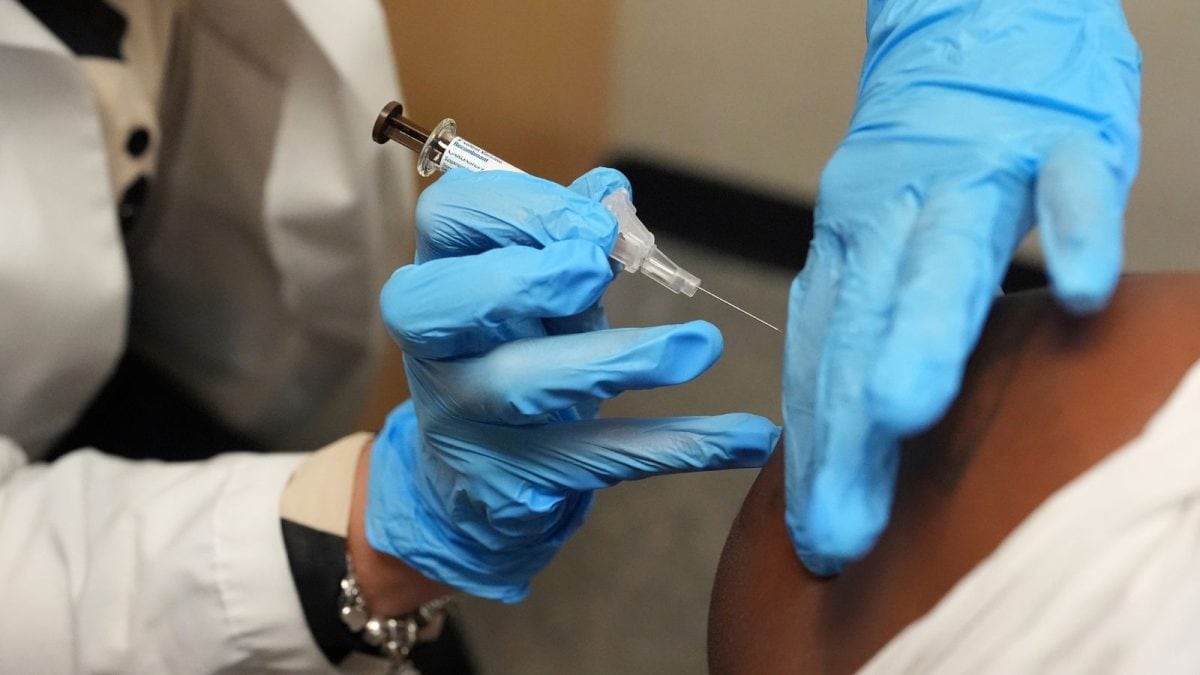
As India rolls out its nationwide HPV vaccination campaign from Saturday, social media platforms are buzzing. Some posts amplify fears, questioning safety, fertility, dosage, and long-term effects. Others cite global data, research, and cancer reduction trends to defend the vaccine.
So, who is right? What should parents believe?
Doctors say the answer lies not in viral forwards but in decades of scientific evidence, large population studies and real-world data from countries that introduced HPV vaccination years ago.
Before making any health decision, experts advise families to consult their doctors. But here’s what clinicians and published science currently show.
What Doctors Say
Medical experts told News18 that much of the current anxiety is “recycled misinformation” that has circulated globally for years.
According to Neelam Mohan, senior director, Medanta Medicity Hospitals, Gurugram, the confusion around dosage is one of the most persistent myths. “Misinformation around the HPV vaccine continues to fuel unnecessary fear, particularly on social media platforms where unverified claims spread rapidly. A key myth is that the vaccine requires multiple doses to be effective. While earlier guidelines recommended two doses for adolescents, the World Health Organisation has reviewed robust emerging evidence and endorsed that a single dose administered between 9–14 years provides comparable and durable protection. This evidence-based shift has simplified implementation, improved coverage, and strengthened the feasibility of large-scale national immunisation drives.”
Concerns about infection or infertility are also common online. Doctors say these fears are not supported by science.
“The vaccine does not contain a live virus capable of causing infection. Additionally, extensive global data over more than a decade show no association between HPV vaccination and infertility. Its safety profile remains strong across millions of doses administered worldwide.”
Similarly, Dr Mukesh Gupta, obstetrician & gynaecologist, Lenest, Malad, Mumbai, says long-term real-world use matters.
“First, the HPV vaccine has been widely used globally for over 15 years. Millions of adolescents and young adults have received it, and robust global data clearly demonstrate both its safety and effectiveness. The vaccine protects against high-risk strains of the human papillomavirus that can cause multiple cancers, including cervical, vaginal, vulvar, anal, and certain throat cancers in women, and anal, oropharyngeal, and penile cancers in men.”
He also addresses the myth that vaccination is only for girls. “Data from countries such as Australia, which implemented school-based vaccination programmes for both boys and girls, show long-term advantages including reduced transmission and stronger herd immunity.”
Another misconception, he says, is relying solely on screening. “Another misconception is that screening alone is sufficient. Screening methods such as Pap tests and HPV tests are forms of secondary prevention, they detect disease early. Vaccination, however, is primary prevention; it prevents infection in the first place. When vaccination and screening work together, they significantly reduce disease burden.”
What The Latest Global Study Found
Beyond expert opinion, recent peer-reviewed research adds to the evidence base.
A nationwide, register-based study published in BMJ on February 25 this year titled “Extended follow-up of invasive cervical cancer risk after quadrivalent HPV vaccination” examined long-term outcomes. The study reported, “930 cases of invasive cervical cancer were identified, including 97 in vaccinated and 833 cases in unvaccinated individuals.”
The authors concluded, “A significantly reduced risk of invasive cervical cancer following quadrivalent HPV vaccination persisted throughout long term follow-up, with no indication of waning protection.”
In simple terms, the study found strong and sustained reduction in invasive cervical cancer risk, lasting more than a decade, particularly when vaccination occurred in adolescence.
What Peer-Reviewed Literature Says
A review published on ScienceDirect examining HPV vaccine hesitancy and safety myths addresses several recurring claims.
On the concern that the vaccine is “too new” to understand long-term safety, the review notes that we have “25 years of experience with the vaccines” and “15 years of real-life experience with several hundred million doses distributed worldwide.”
It adds: “The possible side effects are well documented” and “Vaccine safety has been confirmed by WHO, CDC, and many other authorities.”
On infertility fears, the review said, “No connection between HPV vaccination and ovarian failure has been observed, following observation of 1 million females.”
Addressing claims linking the vaccine to autoimmune or neurological disorders, it notes: “The incidence of autoimmune or neurological conditions and death is the same in HPV-vaccinated and unvaccinated populations.”
The review also clarifies that screening alone is not enough. Screening detects disease early — it is secondary prevention. Vaccination prevents infection in the first place — it is primary prevention.
The Social Media Divide
As misinformation circulates, some public figures and clinicians have taken to social media to counter it.
On X, Dr Anurag Agrawal noted that “about 160 countries take it including most high income ones. Japan had some concerns, stopped, investigated, but found no problem and restarted. Countries where vaccination has been going for long time have already seen reduction in cervical cancer.”
In another post, he said, “High-income countries such as the UK, Sweden, Denmark, and the Netherlands have long-standing HPV vaccination programmes, achieving over 85% reduction in HPV-related cervical cancer.”
He also wrote, “Sad to see misinformation circulating regarding HPV vaccination on social media. Clinical trials show that HPV vaccines provide close to 100% protection against cervical pre-cancers. Its inclusion in national programmes is a consistent recommendation from experts.”
Serum Institute of India chief executive officer Adar Poonawalla wrote that it was “heartening to see the Government of India and @MoHFW_INDIA roll out the HPV vaccine to help prevent cervical cancer in young girls and women,” adding that HPV vaccines have a strong safety and efficacy record globally.
As India begins its national drive, experts stress that decisions should be guided by peer-reviewed evidence and consultation with healthcare professionals — not unverified claims circulating online.
February 28, 2026, 16:17 IST
Read More
Disclaimer: We do not own any of the content, ideas, images, or text presented here. All rights belong to their respective owners. For more information and to view the original source, please visit the following link: