

4 min readJun 23, 2026 09:42 AM IST
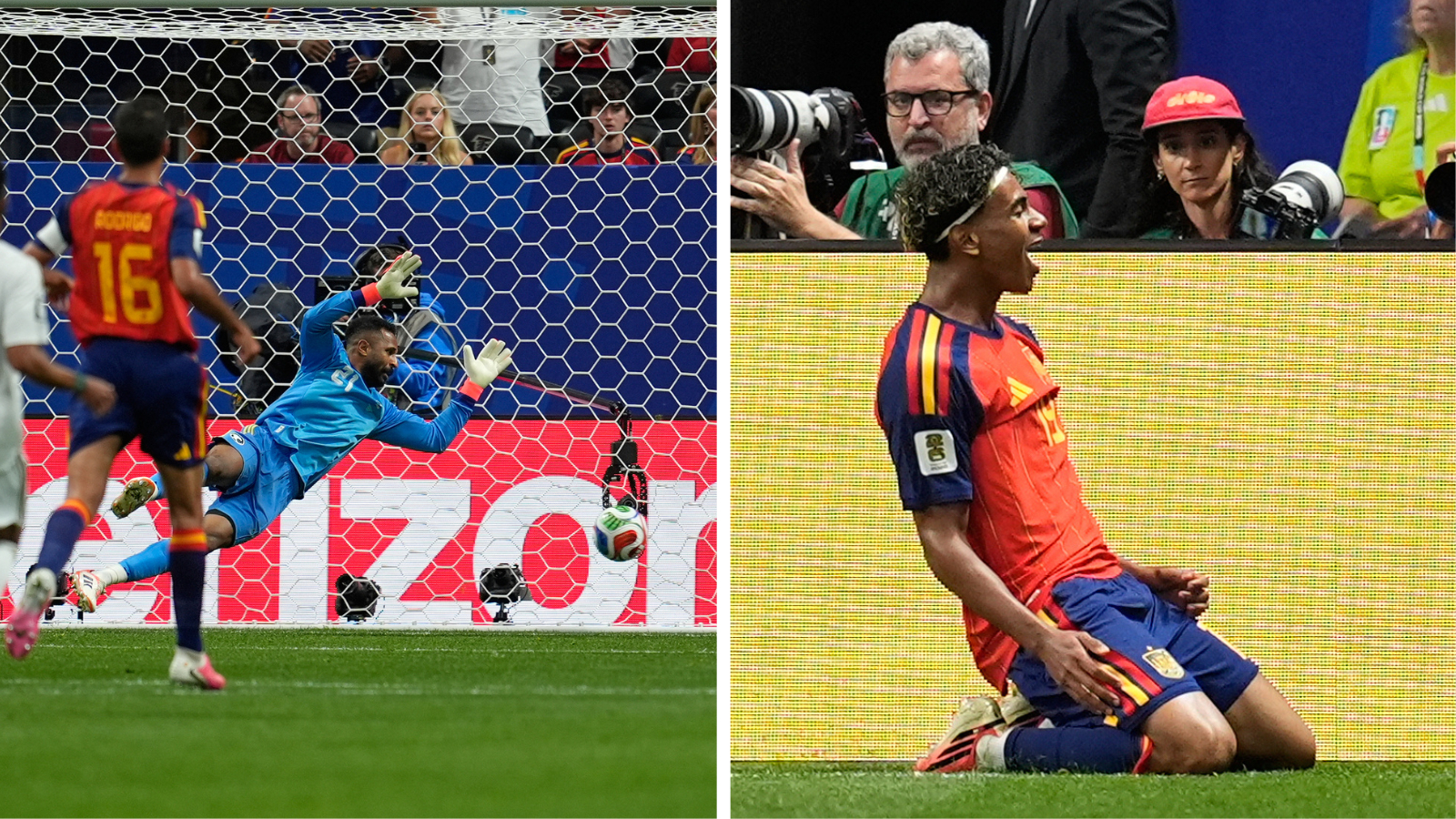
Lamine Yamal’s goal against Saudi Arabia looked simple. That was exactly the point.
The move began with Spain breaking down the left before Mikel Oyarzabal whipped a low pass across the six-yard box. Yamal arrived at the far post and tapped in. No complicated build-up, just a hard ball across goal and a runner arriving at the right moment.
Yet that goal may have captured one of the defining attacking trends of this World Cup.
ALSO READ | Mbappé approaching Messi’s 18-goal record in World Cup’s leaderboard charge
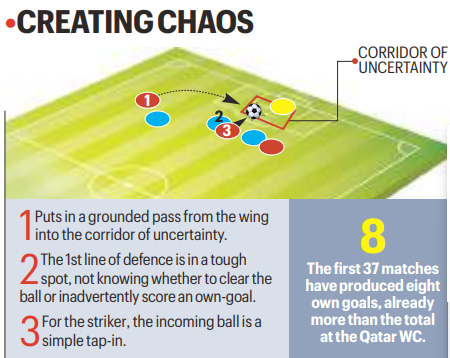
For all the talk about spectacular long-range strikes, teams are increasingly finding success with football’s most ruthless weapon: the low ball flashed across the face of goal. Coaches often talk about the ‘corridor of uncertainty’ – the space between the goalkeeper and the defensive line. Low crosses target exactly that zone.
Rather than lofting crosses into crowded penalty areas, teams are driving passes hard along the ground into the six-yard box. The idea is simple. Force defenders to turn towards their own goal, make goalkeepers hesitate, and create chaos.
 Teams are increasingly finding success with football’s most ruthless weapon: the low ball flashed across the face of goal. (AP Photo)
Defenders’ dilemma
Modern defences are trained to drop quickly and protect the centre of the goal. But when a winger reaches the byline and fires a low ball across goal, defenders have only a split second to react. Any touch can send the ball into the net.
Story continues below this ad
Spain’s opener against Saudi Arabia was a perfect example. Oyarzabal’s delivery travelled through the most dangerous area in front of goal, and Yamal arrived unnoticed at the back post.
The United States benefited from the same pattern against Australia. Folarin Balogun drilled a low cross across goal and defender Cameron Burgess, racing back towards his own net, could only divert it into the goal.
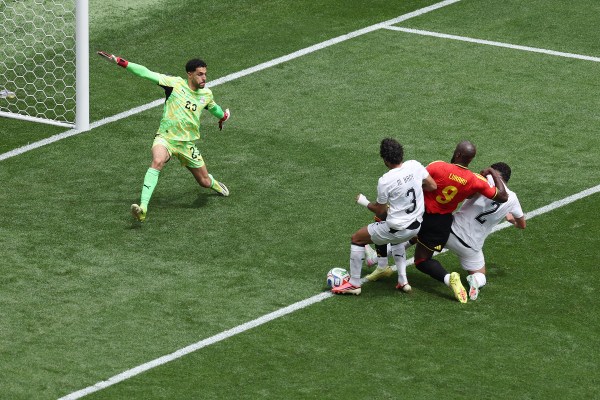 Egypt’s Mohamed Hany (3) scores an own goal during the World Cup Group G match between Belgium and Egypt. (AP Photo/Maddy Grassy)
Belgium benefited from an own-goal in the 1-1 draw with Egypt. This was another variation. Thomas Meunier fired a low ball towards Romelu Lukaku. The striker missed it, but the pressure forced Egypt’s Mohamed Hany into a desperate clearance that ricocheted into his own net.
Ghana’s winner against Panama followed a similar trend. Deep into the stoppage time, Brandon Thomas-Asante drove the ball down the left flank and rolled a pass toward the middle, which Caleb Yirenkyi tapped into the back of the net.
Story continues below this ad
Corridor of uncertainty
Goalkeepers are unsure whether to come for the ball. Defenders are terrified of missing it or turning it into their own net. Attackers, meanwhile, only need a touch. That is why so many chances at this World Cup have come from balls driven across goal rather than from traditional aerial crosses.
ALSO READ | Rodrigo de Paul: The tired legs that make the greatest footballing brain work
Own goals rising
The trend also helps explain the surge in own goals. The first 37 matches produced eight own goals, already more than the total at Qatar 2022.
Own goals are often dismissed as bad luck. Most are not. They are usually the result of pressure. A defender sprinting towards his own goal, while trying to deal with a low cross has almost no time to adjust. One awkward touch is enough.
Story continues below this ad
The increase in own goals is not a separate story. It is evidence of the same trend. At this World Cup, the most dangerous pass is often not the spectacular one. It is the simplest: a hard, low ball flashed across the six-yard box.
Disclaimer: We do not own any of the content, ideas, images, or text presented here. All rights belong to their respective owners. For more information and to view the original source, please visit the following link: