

3 min readMar 7, 2026 07:04 PM IST
Israel has accused Iran of using cluster munitions during the ongoing conflict with Israel, raising concerns about the risks such weapons pose to civilians.
The Israeli military said the weapons had been launched multiple times since the war began, describing their use against populated areas as a potential violation of international humanitarian law. Military spokesperson Nadav Shoshani said the army was monitoring the situation closely.
“They’ve used it multiple times, which is a war crime when it’s directed towards civilians, and we’re tracking that situation,” Shoshani was quoted as saying by media reports.
What exactly are cluster bombs?
Cluster bombs are weapons designed to release multiple smaller explosives, known as submunitions or bomblets, over a wide area rather than producing a single explosion.
According to reports by the Associated Press, the warhead of a cluster munition opens in mid-air and disperses dozens of smaller explosive devices. These bomblets then fall across a wide radius and detonate on impact.
Military experts say the purpose of such weapons is to cover a large area and increase the likelihood of hitting targets such as vehicles, equipment or military units spread across a battlefield.
However, a major concern is that some bomblets fail to explode immediately. These unexploded devices can remain on the ground for long periods and pose risks to civilians who may accidentally trigger them.
Story continues below this ad
How the weapon works
Israeli authorities said one of the missiles launched by Iran carried a cluster warhead instead of a conventional explosive payload.
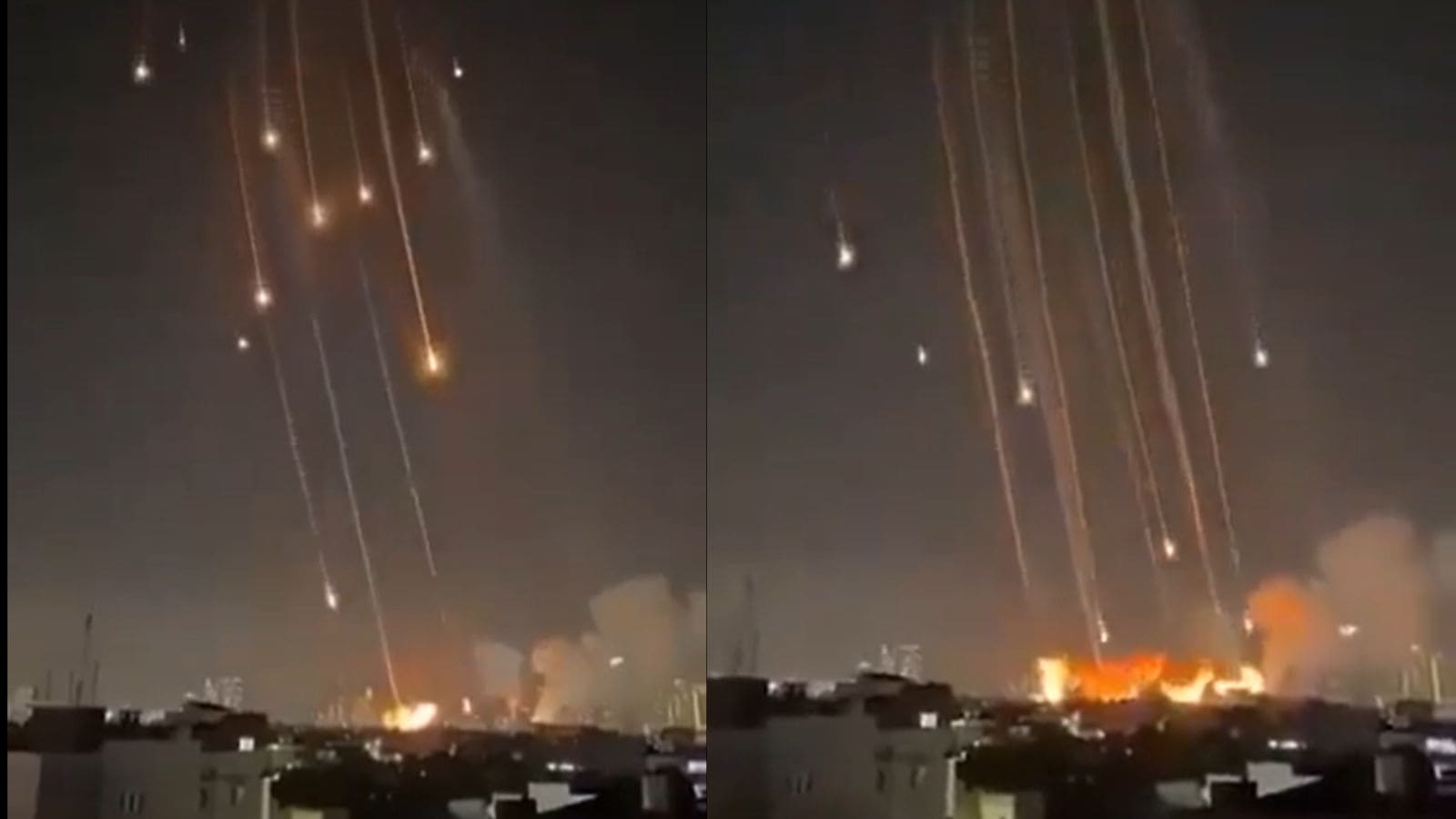
According to the Israel Defence Forces, the missile detonated high in the air and scattered smaller submunitions across a wide area.
The warhead exploded about seven kilometres above the ground, releasing roughly 20 smaller bomblets across an area of about eight kilometres.
One of the submunitions reportedly struck a house in the town of Azor in central Israel, causing damage but no immediate casualties.
Story continues below this ad
Israel’s Home Front Command warned residents not to approach unexploded objects that might remain on the ground after such attacks.
Israel says Iran used them
Israeli officials say the weapons were used during recent Iranian missile strikes on Israeli territory.
According to the Israeli military, the missile carrying cluster submunitions was launched toward central Israel during one of Iran’s retaliatory attacks.
Footage from the night of March 5 showed multiple flaming projectiles falling through the sky over central Israel, which analysts say is consistent with cluster munition deployment.
Story continues below this ad
Why cluster bombs are controversial
Cluster munitions are widely criticised because of the risk they pose to civilians during and after conflicts.
More than 100 countries have joined the Convention on Cluster Munitions, a 2008 international agreement that bans the use, production, stockpiling and transfer of such weapons.
However, several major military powers — including Iran, Israel, the United States and Russia — have not signed the treaty.
Human rights groups have repeatedly warned that unexploded bomblets from cluster weapons can remain dangerous long after a conflict ends, sometimes causing injuries years later.
Story continues below this ad
Israel and Iran have both faced accusations in the past over the use of cluster munitions in regional conflicts, according to international rights organisations and previous investigations.
(With inputs from agencies)


Stay updated with the latest – Click here to follow us on Instagram
© IE Online Media Services Pvt Ltd
Disclaimer: We do not own any of the content, ideas, images, or text presented here. All rights belong to their respective owners. For more information and to view the original source, please visit the following link: