All posts tagged: Indian Express Opinion

Is India Prepared for its Demographic Destiny?

Is India Prepared for its Demographic Destiny?

4 min readJun 26, 2026 08:13 PM IST First published on: Jun 26, 2026 at 08:13 PM IST Recently, the Sample Registration System (SRS) and the sixth round of the National Family Health Survey (NFHS) released their results. What do they say about India’s future population size? A University of Washington team had estimated India’s total fertility rate (TFR) to be 1.9 in 2017, and its model showed that the population in India will peak at 160 crore in 2048. However, this estimate is optimistic as SRS estimates TFR to be 1.9 in 2024. The UN Population Division periodically updates its population projections and has estimated that the population is likely to peak at 170 crore in 2062 and decline thereafter. In view of the recent data, this is perhaps the most likely scenario. There is very gradual progress, and, therefore, problems persist. The sex ratio at birth was estimated to be 918 in 2022-24, signifying a persistent “girl deficit” as the normal ratio is 955. It was 907 in 2018-2020. At this pace of …
In Absence of Citizenship Document, How Do You Prove You Are Indian?

In Absence of Citizenship Document, How Do You Prove You Are Indian?

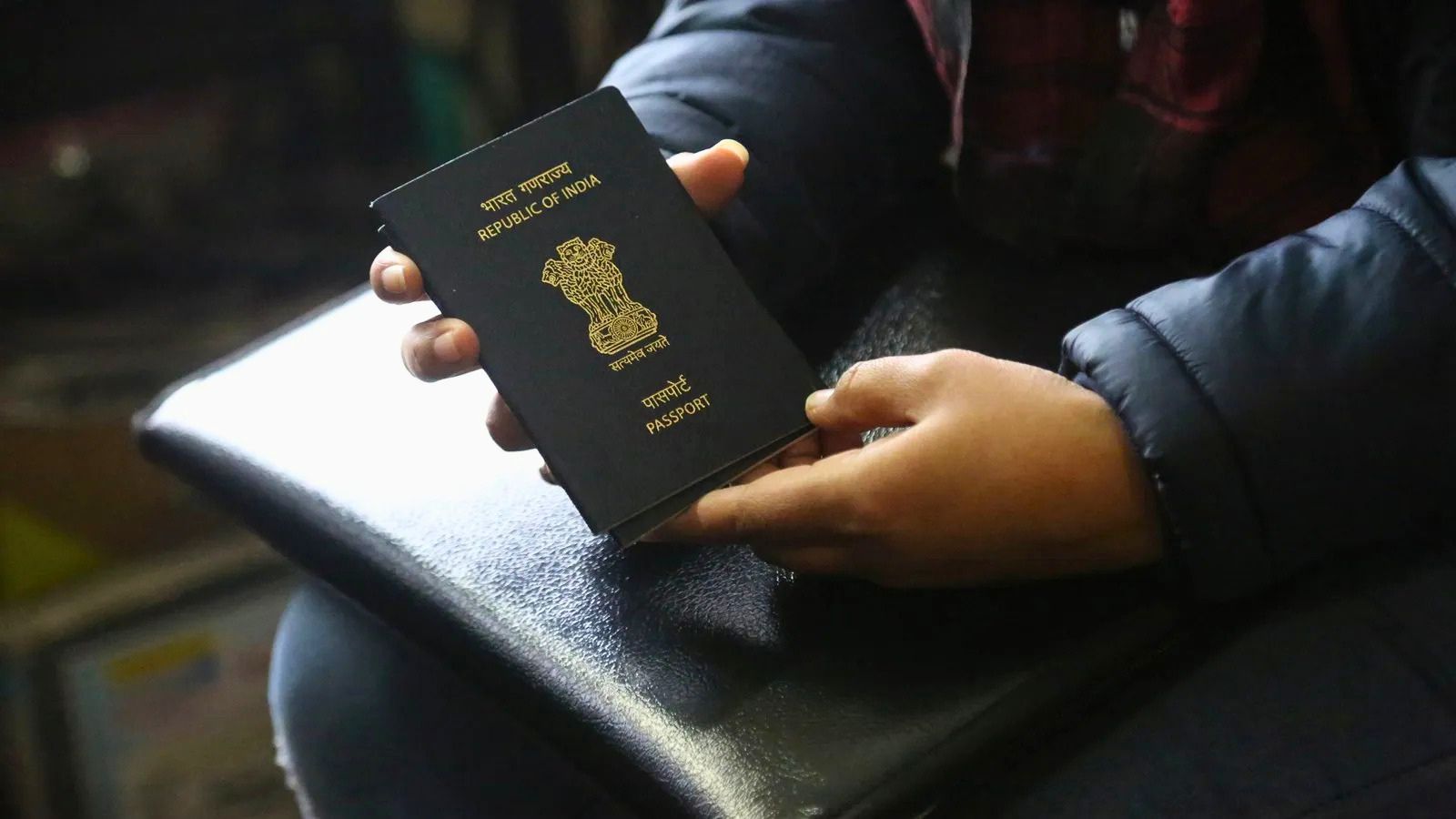
Citizenship is a vertical relationship between the individual and the state. Originally, citizenship used to signify a belief in certain liberal and republican ideas and did not have much to do with territory and status. Today, it is all about territory, status, and exclusion rather than inclusion. The Foreigners’ Tribunals in Assam reportedly denied citizenship to people despite some possessing as many as 15 documents. The judiciary, too, has become quite restrictive in this regard. In Shabbir Hussain’s (1951) case — a trader who got stuck in Lahore during Partition and returned to India only on a temporary permit but was subsequently arrested for overstaying in India — the apex court refused to treat him as a Pakistani national. Similarly, in Abdul Khader (1960), the Supreme (SC) Court refused to treat Khader as a foreigner despite his having a Pakistani passport. But in Izhar Ahmad Khan (1962), the court treated possession of a Pakistani passport as conclusive proof of Pakistani citizenship. By 2008, the Court had become even more restrictive when, in Razia Bergum, it held that even possession of …

The Original Sin? How the First Amendment Reshaped Indian Democracy

The Original Sin? How the First Amendment Reshaped Indian Democracy

June 18, 2026, will mark 75 years since Rajendra Prasad gave his reluctant assent to the First Amendment — a “seismic shift” in India’s constitutional architecture, the aftermath of which the country’s pre-eminent legal scholar Upendra Baxi labelled the “Second Constitution”. Few seemed to have recalled the grim events of 1951, but it was a moment that continues to course through the nation’s body politic, and one that has had profound and deleterious effects on its democracy and constitutional order. On January 26, 1950, the Republic of India, described by the Oxford don Kenneth Wheare as the world’s greatest experiment in democratic government, was inaugurated to great acclaim. Many had considered it an impossibility: Clement Attlee had even cautioned Jawaharlal Nehru against it, calling republicanism of the kind India was contemplating an alien import from Europe. At the heart of this transition lay the country’s new constitution, containing what The New York Times approvingly termed “the most detailed document of fundamental rights found anywhere,” widely seen to reflect India turning the page on its colonial …

Why the India-US ‘Special Relationship’ is Officially Over

Why the India-US ‘Special Relationship’ is Officially Over

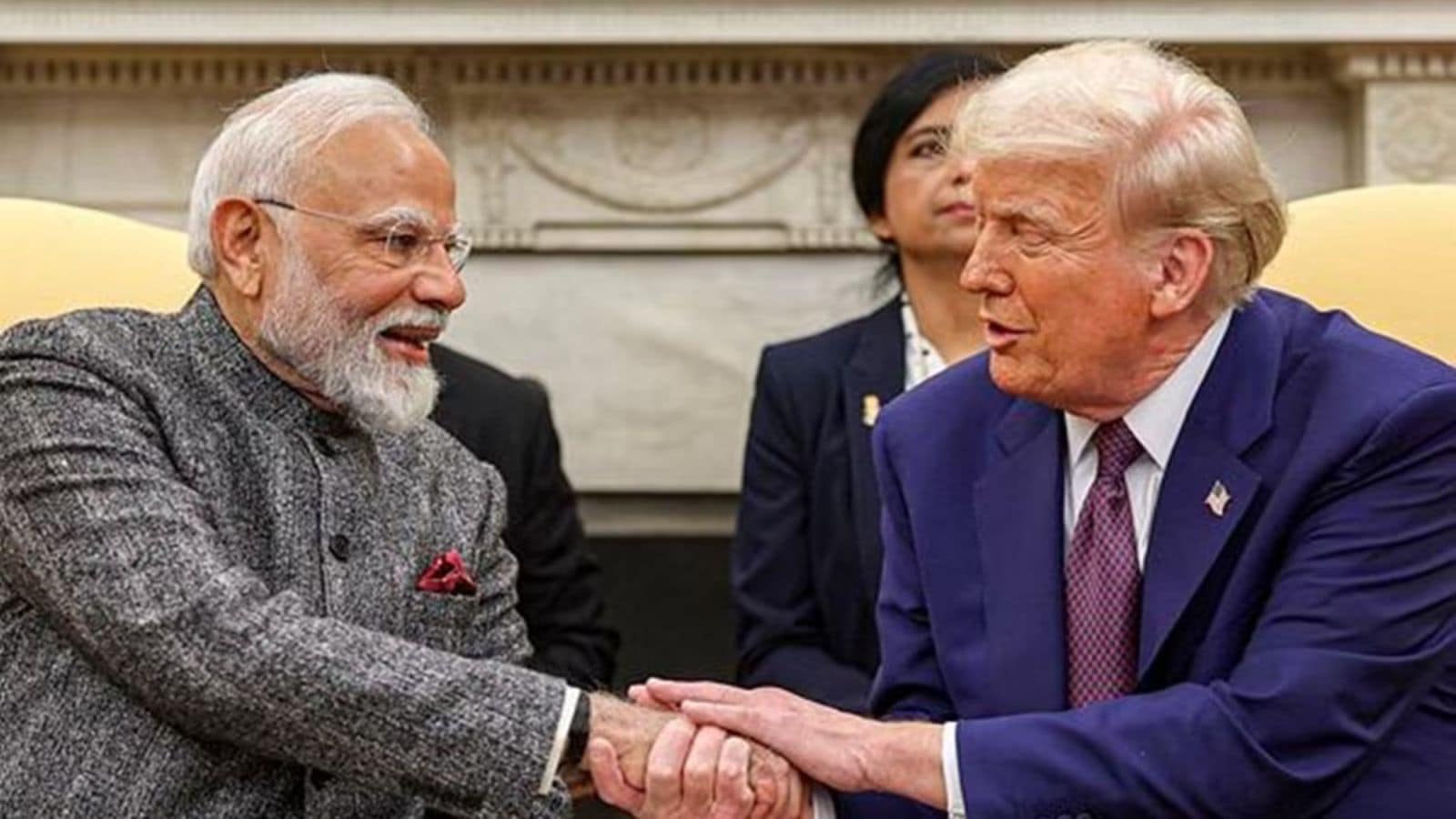
US Secretary of State Marco Rubio’s recent visit to India, Secretary of War Peter Hegseth’s speech at the Shangri-La Dialogue that briefly referenced India, and US Ambassador to India Sergio Gor’s energetic diplomacy have raised a central question: What does India want from the US, and what does the US want from India? The answer is that India’s wants have remained stable. America has changed. As a result, the special relationship with the US is over. Looking ahead, the India-US agenda will be far more modest and transactional. For 30 years, India looked to the US for strategic balance against China, for cooperation against terrorism, for its market and investments, for the “export” of skilled Indian professionals, and for military equipment. Broadly, the US would help make India more secure and powerful. US interest in India was a mirror image. India was a balance against China, a partner against terrorism, a market for exports and a destination for investments, a source of human talent, and a client for American arms. India was not seen as …

Is India’s Digital Personal Data Protection Act Guard Our Privacy?

Is India’s Digital Personal Data Protection Act Guard Our Privacy?

Our parents taught us not to trust strangers. Not to answer every question they asked. Not to give away our school name, our address, or family details casually. Not to let someone into the house if they could not account for themselves. That wisdom passed through generations, shaped by a simple instinct: Certain information, once given away, cannot be taken back. I thought about that wisdom recently in a room full of people who would have completely agreed with it, and then gone right back to scrolling. A friend of mine had just bought a smart ring. The recommendation came from his gym trainer. They are quite friendly, so the advice did not arrive in a formal or commercial manner. If anything, that made it more trustworthy. The ring tracked sleep, heart rate, recovery scores, activity levels, and stress indicators through skin temperature. Every morning, he checked his data, adjusted his training accordingly, and discussed the numbers with his trainer. It gave him a feeling that things were under control. And honestly, I understood the …

Are Ordinances Killing the Soul of India’s Parliamentary Democracy?

Are Ordinances Killing the Soul of India’s Parliamentary Democracy?

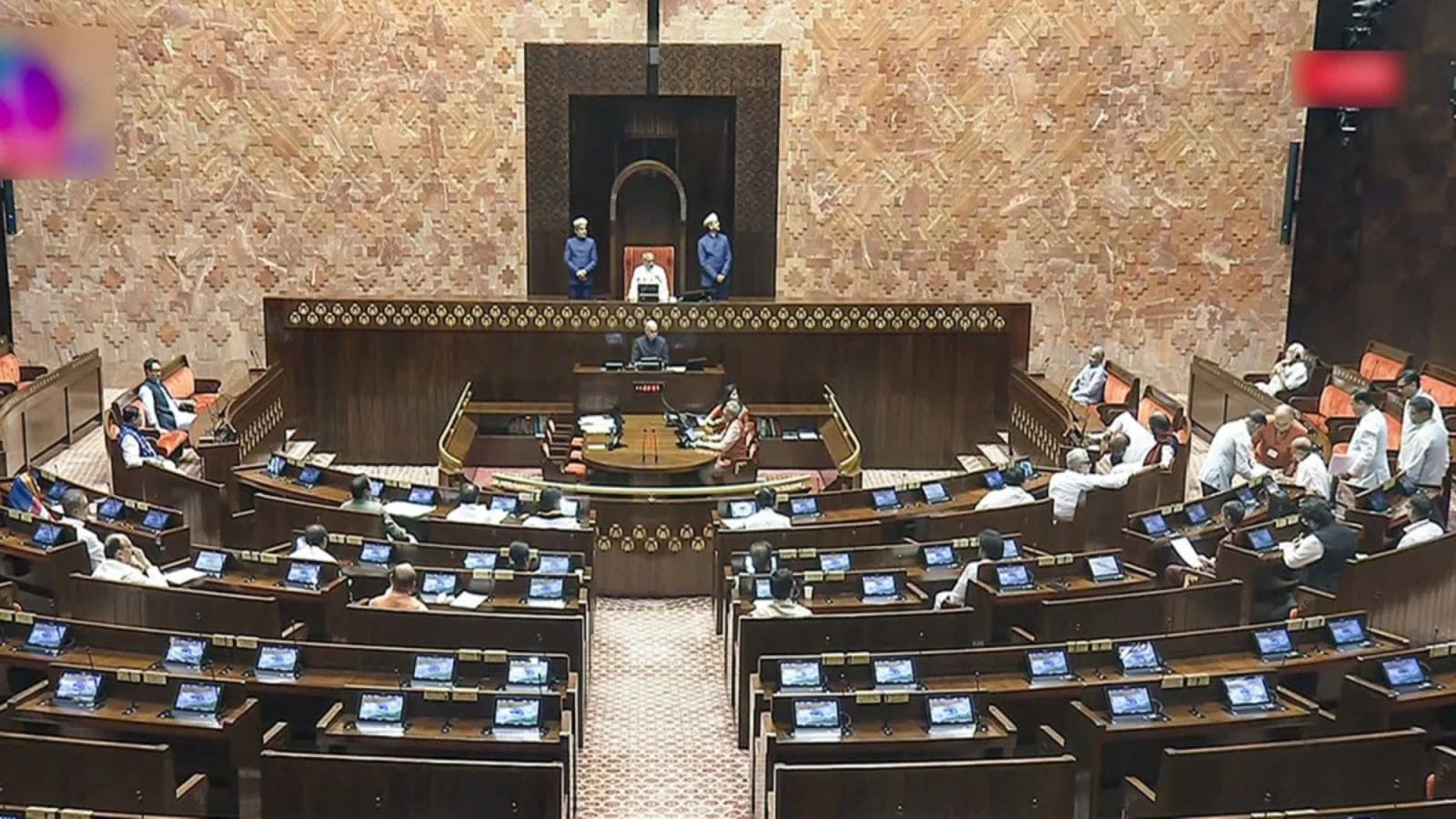
5 min readJun 2, 2026 04:03 PM IST First published on: Jun 2, 2026 at 04:03 PM IST The promulgation of the Supreme Court (Number of Judges) Amendment Ordinance 2026 has predictably triggered a familiar set of debates. Is expanding the Court’s strength the rightful remedy to address its mounting caseload, now exceeding 93,000 pending matters? Who should be appointed to these seats? What does the timing tell us about the government’s intentions and its relationship with the judiciary? These are legitimate questions, each worthy of sustained inquiry. But there is a prior, and much more structural, question that must not get crowded out in the urgency of the moment. What does the routine resort to the ordinance route tell us about the position of our Parliament? What are the costs when constitutional reform of this kind proceeds by executive fiat rather than legislative deliberation? Article 123 of the Constitution empowers the President to promulgate ordinances only when Parliament is not in session and circumstances require immediate action. The provision was designed as an emergency …

Impact of Gulf Conflict and El Nino

Impact of Gulf Conflict and El Nino

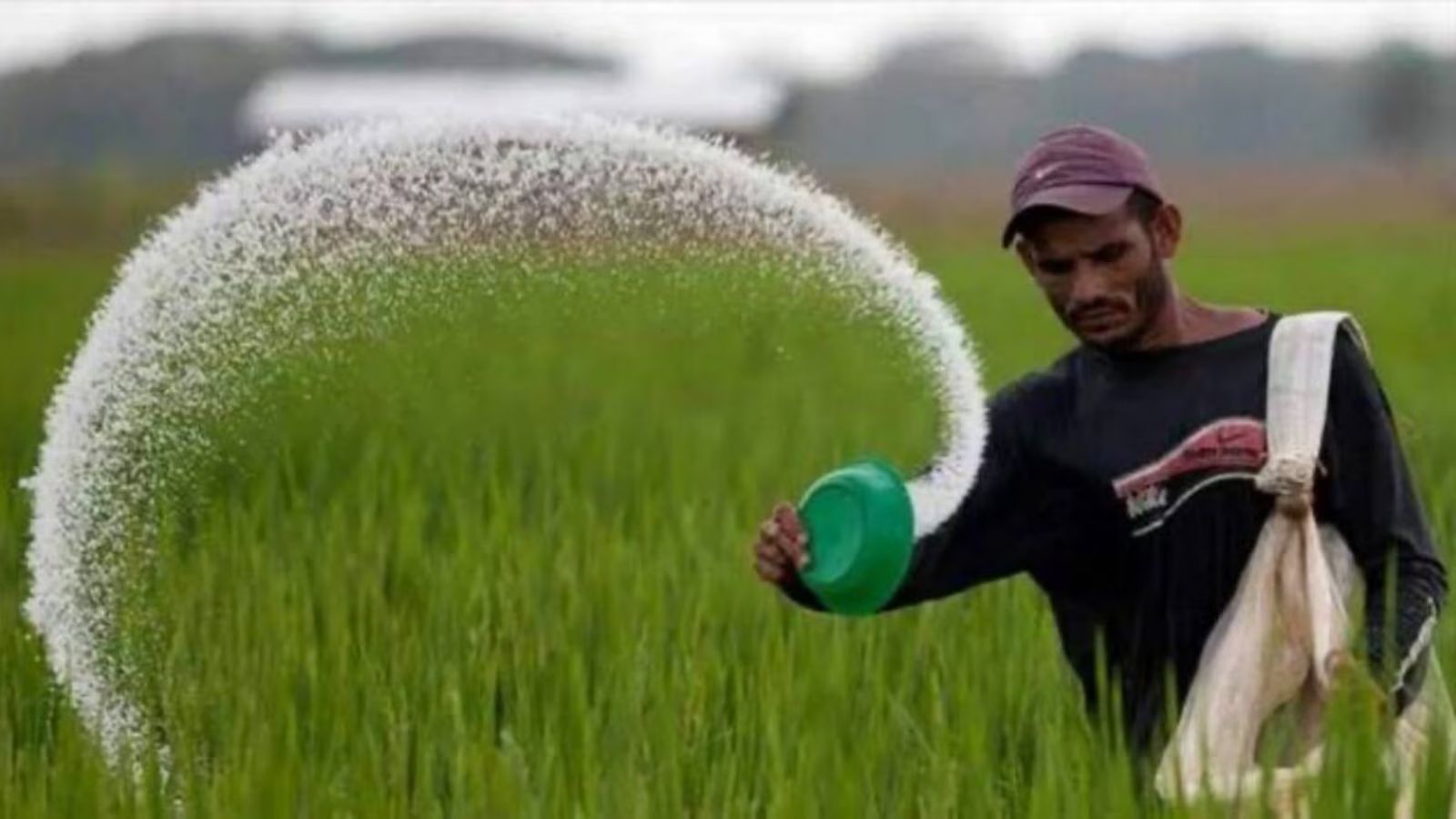
4 min readMay 22, 2026 06:16 PM IST First published on: May 22, 2026 at 06:16 PM IST India’s fertiliser problem has quietly changed character. For the first several weeks after Iran effectively closed the Strait of Hormuz in the aftermath of the US-Israel strikes in late February, the dominant anxiety in New Delhi was physical: Would the fertilisers arrive, and in time? With the critical kharif sowing season beginning in June, the real issue is no longer whether India can source enough fertiliser but whether New Delhi can keep paying for the guarantee that it will. India’s fertiliser production declined 24.6 per cent in March 2026, the sharpest single-month contraction in recent memory, after output had expanded for three consecutive months prior. The government has committed to absorbing the cost of guaranteeing supply, and if the Gulf conflict endures, that commitment may prove open-ended in ways the fiscal budget cannot easily accommodate. With the sowing season peaking in June, allowing farm input costs to rise visibly would risk both food price inflation and a …

Can Trump’s China Outreach Salvage His Midterm Political Prospects?

Can Trump’s China Outreach Salvage His Midterm Political Prospects?

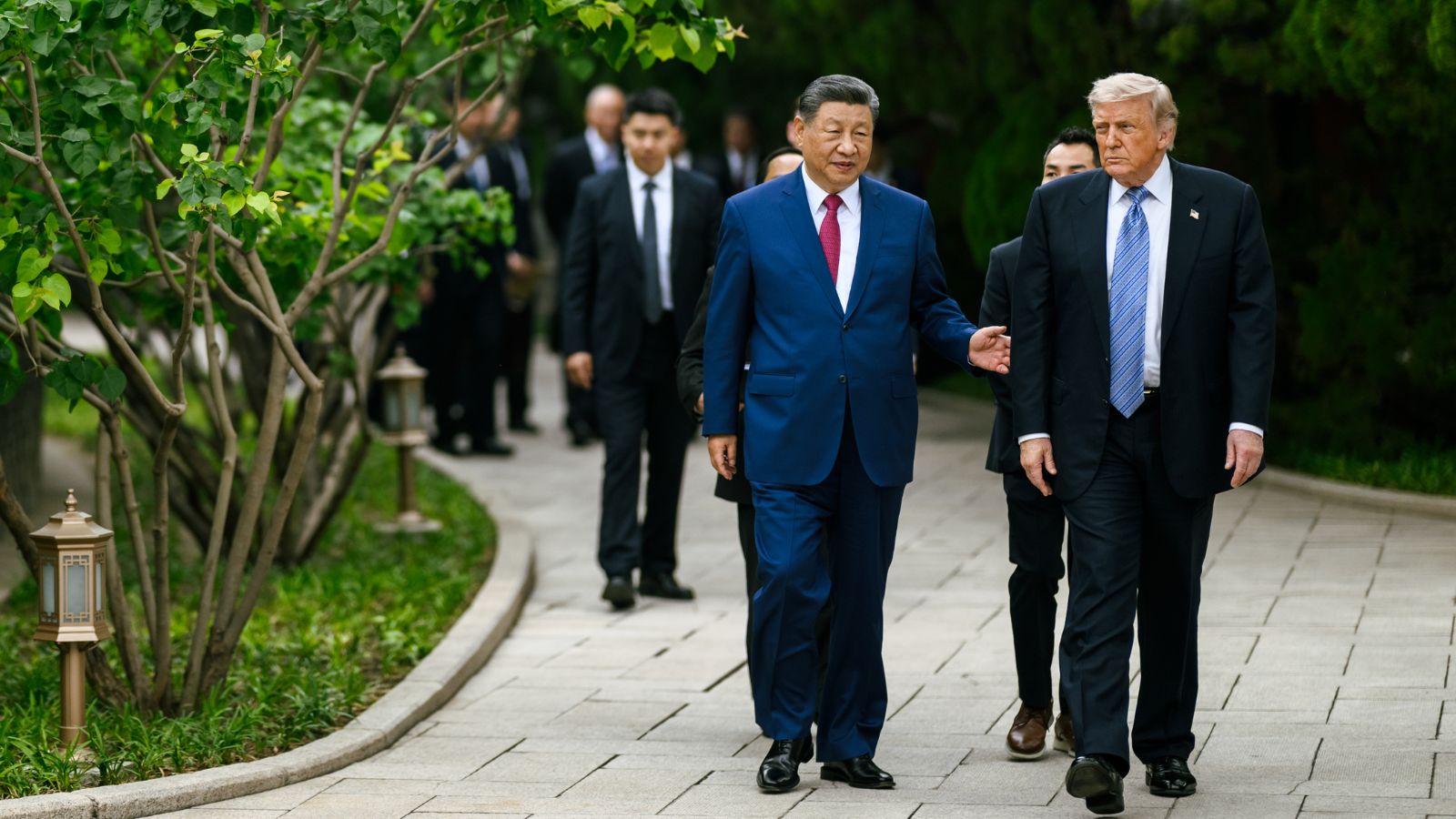
4 min readMay 18, 2026 03:29 PM IST First published on: May 18, 2026 at 03:29 PM IST The drumbeat around US President Donald Trump’s visit to China seemed louder than deserved, given what was finally delivered. But perhaps that was the intention. The gap in a US presidential visit to China — nine years — and the power-packed business delegation that accompanied the President definitely seemed worthy of the hype before the summit. However, close watchers of US-China relations cautioned that any expectation of a breakthrough in bilateral relations between the two largest economies and military powers of the world should be tempered by structural realities. Yet, Trump brought a fresh approach to the table through calibrated pressure on China that could provide economic openings for the US government and companies. The visit did not resolve any of the long-standing issues for obvious reasons. Some theorists would argue that both the US and China may have reached a plateau when it comes to the positive aspects of the relationship, while the competitive framework of …

Why the New Delimitation Plan Risks Alienating Southern States

Why the New Delimitation Plan Risks Alienating Southern States

In an extended Budget Session next week, Parliament is slated to take up amendments to operationalise women’s reservation in the Lok Sabha and State Legislative Assemblies, a welcome reform that has long commanded broad consensus. The foundation of this reform was laid through the Constitution (106th Amendment) Act, 2023, which introduced provisions reserving one-third of the seats in these bodies and also linked their implementation to a future Census (effectively 2027) and the delimitation exercise that would follow. This was consistent with the existing constitutional framework governing representation in Lok Sabha, where seats are allocated among states based on population, and constituencies are periodically redrawn to reflect demographic change. By tying reservation to this process, the Amendment ensured that the introduction of reserved seats would take place within an updated and internally consistent representational structure. The proposed amendments are expected to depart from this framework in two important respects. First, they are likely to increase the size of the Lok Sabha (from 543 to 816) to accommodate the one-third reservation for women. Second, they may delink the …

Trump’s abusive post on Iran War reveals a frustrated — and dangerous — president

Trump’s abusive post on Iran War reveals a frustrated — and dangerous — president

US President Donald Trump, who has left no stone unturned in lowering the bar for rectitude, both personal and institutional, has done it again. On Sunday, an angry Trump put out an expletive-laden post on Truth Social, warning Iran to open the Strait of Hormuz in the most coarse and abusive language ever used at this high level of global governance: “Tuesday will be Power Plant Day, and Bridge Day, all wrapped up in one, in Iran. There will be nothing like it!!! Open the F**kin’ Strait, you crazy bastards, or you’ll be living in Hell – JUST WATCH! Praise be to Allah.” What does this recourse to profanity on the global stage reveal about Trump? It reveals a US President closeted with unctuous aides, who is frustrated and ranting, since the war against Iran, codenamed Operation “Epic Fury”, is not unspooling as per the script he had envisioned, that is, a Venezuela 2.0. This pattern of lashing out at senior officials who speak the truth and conduct themselves with professional integrity was evidenced earlier …