

3 min readPuneJul 1, 2026 11:04 AM IST
In 1953, Wilson College in Mumbai staged William Shakespeare’s Othello and, among the audience was a brave young actor-director who would become a legend in Indian theatre, Ebrahim Alkazi. As he watched Othello, Alkazi’s keen eye picked out Desdemona, the heroine who encapsulates a woman’s tragedy as she pleads with her jealous and murderous husband in her dying moments, “Banish me, my lord, but kill me not”.
Alkazi was mesmerised, and invited “Desdemona” to join his ensemble, Theatre Group, which was, at the time, creating the most powerful plays in Mumbai, The actor was Vijaya Jaywant, a final-year student at Wilson College. Alkazi and the doyen of Parsi theatre, Adi Pherozeshah Marzban, she would hone her immense talent and set her on a course that would transform not only her oeuvre but also theatre in Maharashtra.
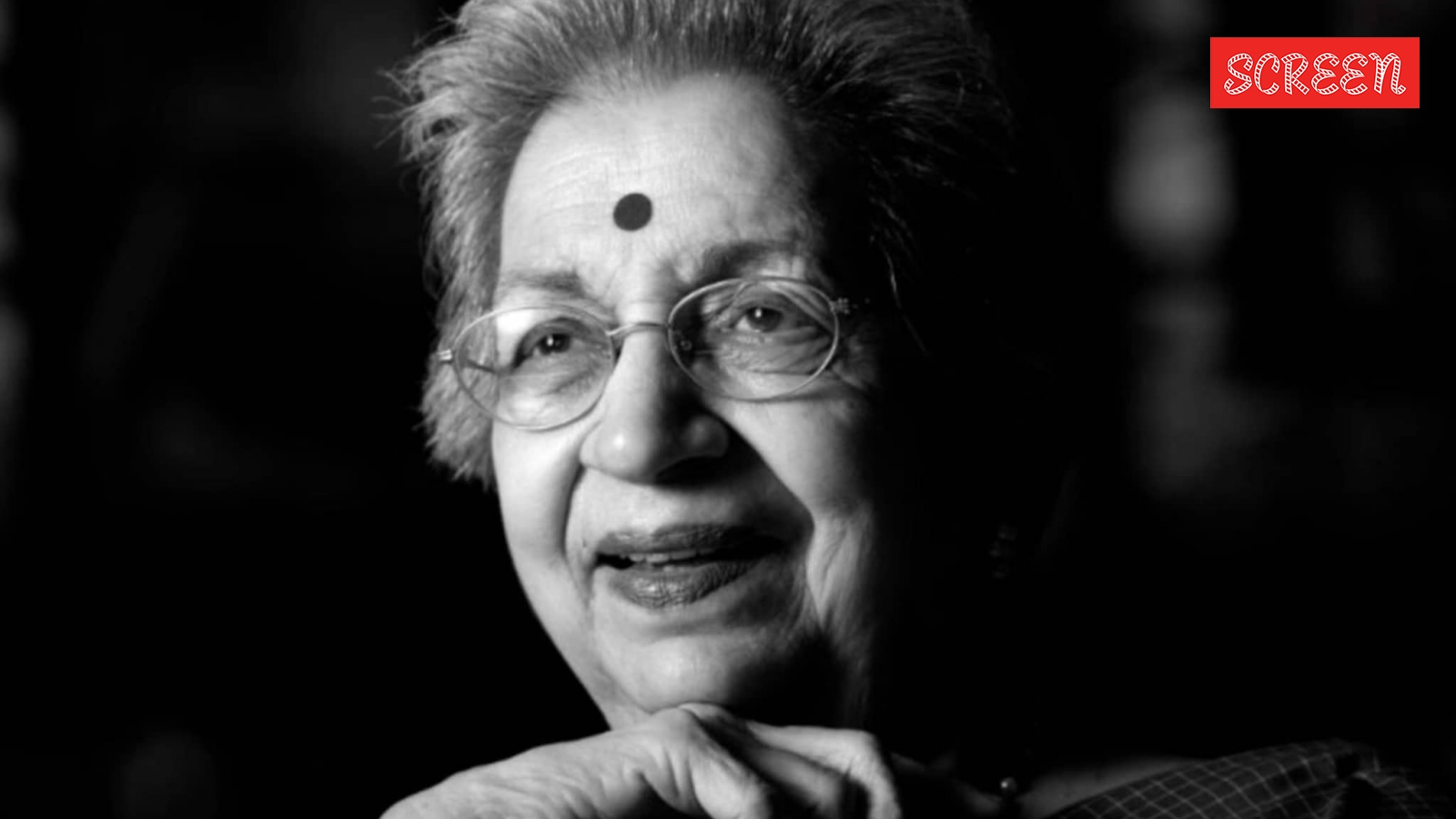
Jaywant is better known as Vijaya Mehta. Theatre had brought her and Farrokh Mehta, credited as one of the forces of Mumbai’s English theatre culture, together. Vijaya, famously meticulous and disciplined, would go on to become Chairperson of India’s prestigious theatre academy, National School of Drama, in Delhi. She was also the Chairperson of the Film and Television Institute of India in Pune. For a decade-and-a-half, Vijaya was also the Executive Director of the National Centre for the Performing Arts.
Vijaya passed away on June 30 in Mumbai at the age of 91. According to her family, she was suffering from a long illness. She is survived by a daughter, the actor-director Anahita Uberoi, and two sons.
Though Vijaya’s first professional Marathi theatre outing was in 1955, when she replaced the lead actor, in Junjarrao, it was in 1960s that she began her landmark contribution, a theatre laboratory called Rangayan. Rangayan was established with other stalwarts, such as playwright Vijay Tendulkar and actor-director Arvind Deshpande. Rangayan’s hunger for new ideas and experiments gave Marathi theatre fresh voices, such as of Tendulkar and Mahesh Elkunchwar, whose Mi Jinkalo Mi Haralo (I Won, I Lost) and Holi, respectively, were staged. The group looked towards powerful Western drama to bring to Marathi audiences, such as Romanian-French playwright Eugène Ionesco’s Chairs that was staged as Khurchya in 1962. Till 1972, when Rangayan closed, it revitalised Marathi theatre in a way that continues even today.
Mehta went on to act and direct in Marathi theatre, working with pioneers, such as Sai Paranjpye. Among her great works is directing Ajab Nyaya Cartulacha, an adaptation of Bertolt Brecht’s The Caucasian Chalk Circle, which was a collaborative project with eminent East German director Fritz Bennewitz, who worked in India from 1970 to 1994. The play won audiences and critics at the Brecht festival in Berlin in 1973. Many German theatre lovers of the 1970-1990s would be familiar with Vijaya’s works, due to the successes of Mudra Rakshaha in 1976, Shakuntala in 1980s and Nagamandala, among others. In 1985, Vijaya set the gold standards for directing Elkunchwar’s classic Wada Chirebandi, in which she also played Aai, the quiet matriarch of the crumbling Deshpande family. When she turned her attention to the screen, Vijaya created the award-winning Smriti Chitre, and the moving portrayal of friendship Pestonjee.

Click here to follow Screen Digital on YouTube and stay updated with the latest from the world of cinema.
Disclaimer: We do not own any of the content, ideas, images, or text presented here. All rights belong to their respective owners. For more information and to view the original source, please visit the following link: