

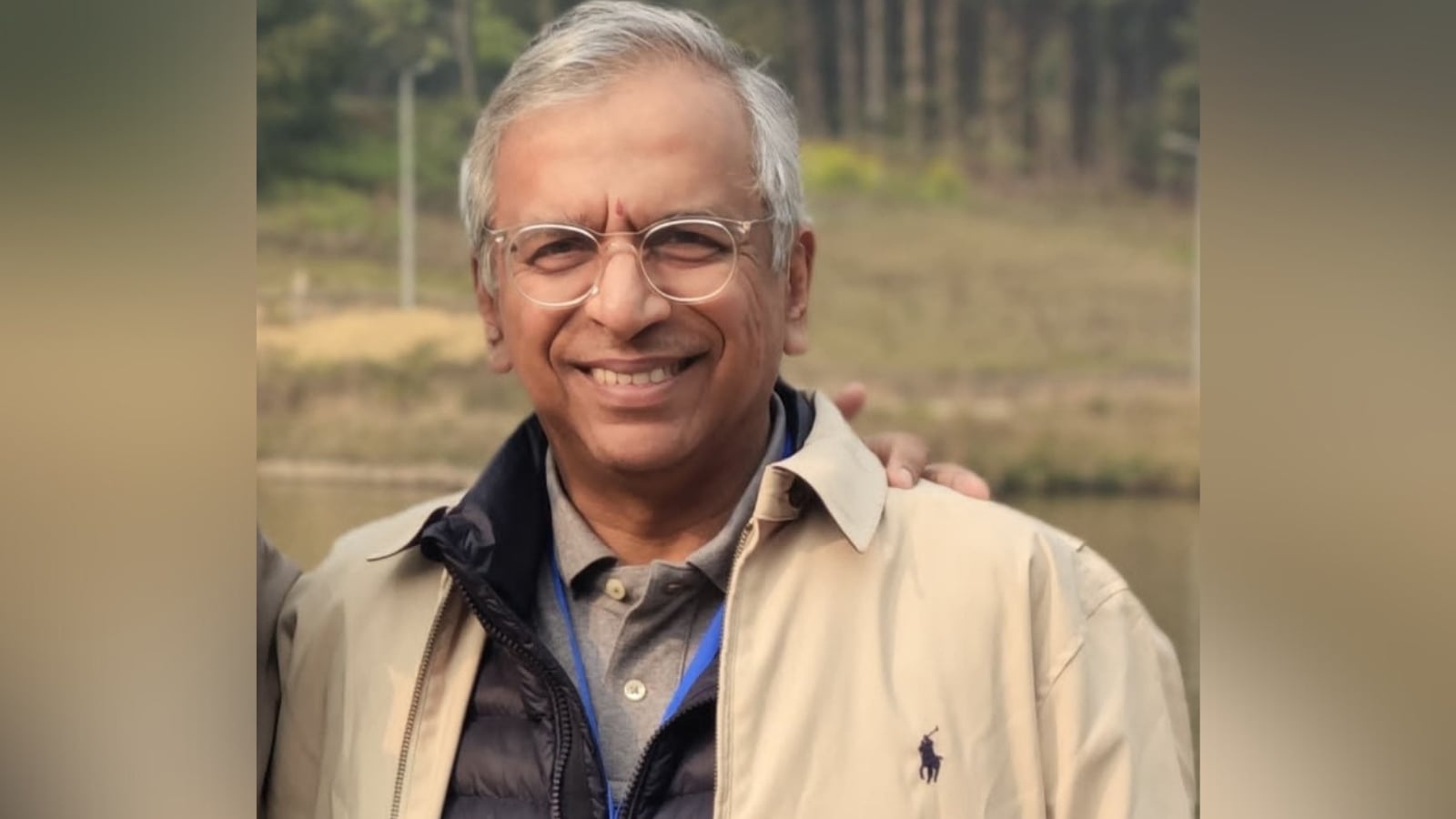
Alok Kejriwal, Founder & CEO, Signing Hands Foundation, recently launched The Right Sign, an initiative to elevate Indian sign language (ISL) beyond a creative campaign in collaboration with tech platforms. As part of it, a number of acclaimed Indian rappers have re-released their music videos, replacing traditional gang signs with meaningful ISL expressions. It has also released a tutorial featuring 40 essential phrases taught by rappers and it encourages other artists and creators to include sign language in their performances.
Kejriwal talks to The Indian Express about the initiative. Excerpts from the interview:
Q: How did The Right Sign come about, and what made you want to be part of it?
Alok Kejriwal: At the Signing Hands Foundation, we’ve spent nearly half a decade advocating accessibility and equal rights for the deaf community. When VerSe Innovation approached us with this idea, it felt different. It was not just another awareness campaign, but a genuinely inclusive initiative that placed our language, Indian Sign Language, at the heart of youth culture. What made it powerful for me was the intent: not to speak on behalf of the deaf community but to empower everyone, hearing or deaf, to learn, engage, and build a shared vocabulary of expression.
Q: The initiative features well-known rappers using sign language in their videos. How impactful is that for the deaf community?
Alok Kejriwal: Incredibly impactful. Imagine watching content—music, no less, where your language is not just present but celebrated. For a community that is so often left out of mainstream experiences, this representation sends a very strong message: “You belong.” When artists like Enkore, Indeep Bakshi, and V-Town Chronicles take the time to learn ISL and use it in their videos, it becomes a statement of respect and solidarity. It tells deaf individuals across the country that their identity matters and that’s deeply emotional for us. The involvement of VerSe Innovation was critical. With Josh, they have created a space where creators thrive, and more importantly, where social impact content can go viral organically. Their decision to put this initiative on the Josh app, which reaches millions daily in their own languages, ensures this message isn’t restricted to niche audiences. It’s for everyone.
Q: In your view, what makes The Right Sign different from other inclusion initiatives?
Story continues below this ad
Alok Kejriwal: Its authenticity. This is a multi-stakeholder movement where creators, platforms, community leaders, and music labels are all equally invested. Also, it doesn’t frame ISL as something “extra”. It is integrated as something natural—like one’s own body language. And using music, especially rap, as the medium is genius. It’s current, it’s raw, and it’s youth-driven.
Q: The campaign also launched a 40-phrase ISL tutorial. What’s the significance of that?
Alok Kejriwal: It’s a small step with a big impact. These 40 everyday phrases—taught by rappers—are designed to make communication easier between the hearing and deaf communities. Even learning a few signs can break barriers, build empathy, and spark meaningful interaction. We’ve seen young people take to it in a fun, organic way—and that’s the dream. This is not about fluency; it’s about effort and intention. The fact that this tutorial is being distributed via Josh gives it scale and relatability. It’s learning through entertainment and that works.
Q: What has the initial reaction been like from the deaf community?
Story continues below this ad
Alok Kejriwal: Emotional and overwhelmingly positive. Many have reached out to say that seeing our own language reflected in something mainstream, cool, and relevant felt like they were included. For a lot of deaf individuals, especially younger ones, it felt like being seen—not as a special-needs community, but as equals. There’s a kind of quiet pride that comes from knowing your language is finally entering the cultural conversation.
Q: What would you like to see happen next?
Alok Kejriwal: I would love to see ISL introduced in schools and colleges as an additional language that children can choose to learn. I would like more artists, influencers, and public figures to start incorporating it in their content. This is a starting point—a powerful one—and if we stay consistent, I truly believe India can become a country where inclusion is not just a value, but a default setting.
Disclaimer: We do not own any of the content, ideas, images, or text presented here. All rights belong to their respective owners. For more information and to view the original source, please visit the following link: