

4 min readVadodaraMay 21, 2026 12:22 AM IST
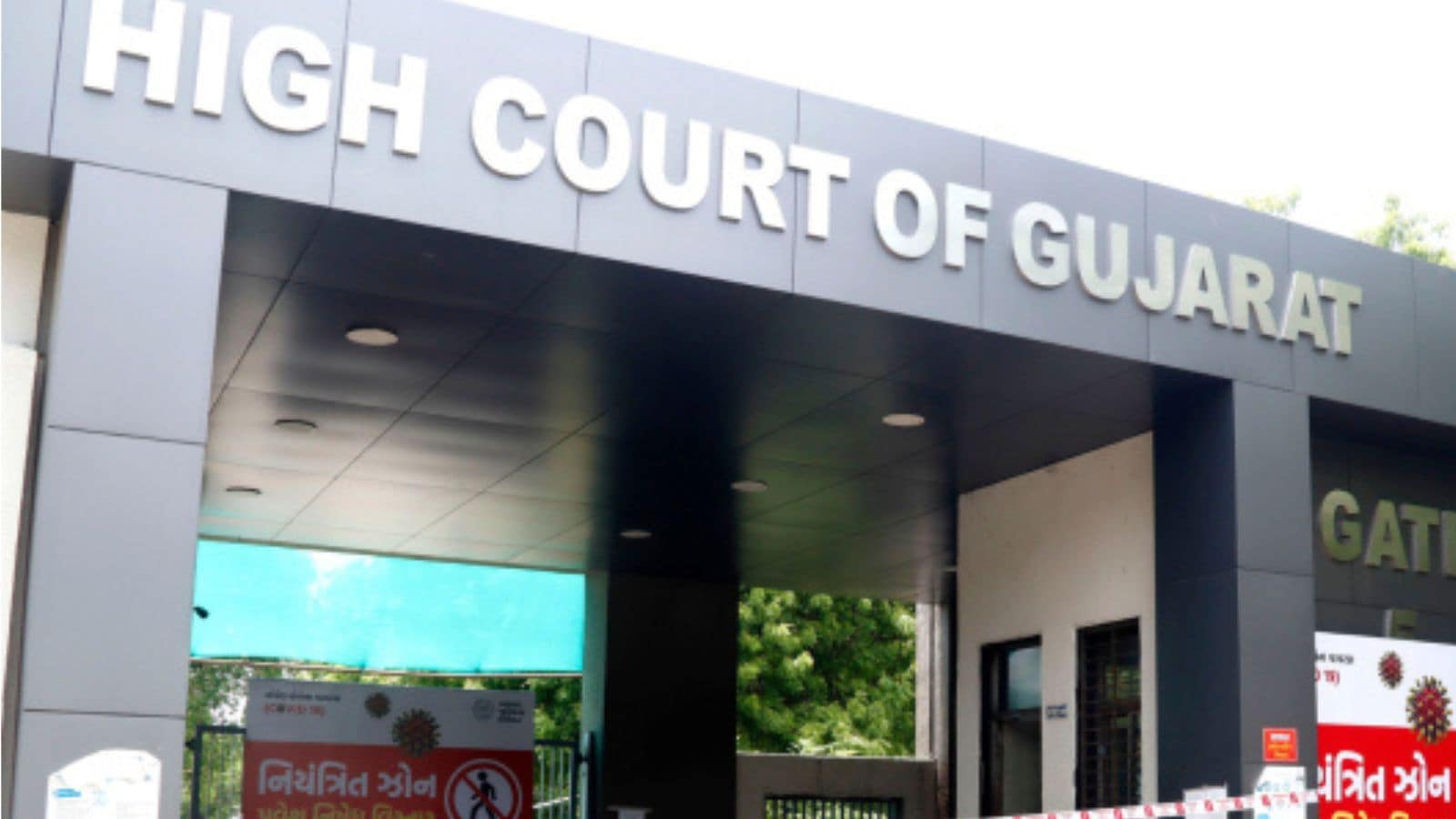
STATING THAT invoking an Act in retrospective effect was “bad, illegal and violative” of the fundamental rights of an accused, the Gujarat High Court recently quashed charges under the Gujarat Public Examination (Prevention of Unfair Means) Act, 2023, against an accused who allegedly allowed a dummy candidate to appear on his behalf in a 2017 examination for the post of Junior Clerk – held six years before the law came into existence.
Justice Vimal Vyas of the Gujarat HC was hearing a petition filed by Mahesh Chauhan, who was booked under the 2023 Act for the incident that dates back to 2017, in which Chauhan is accused of having arranged for a dummy candidate, named Kalpesh Jani, to appear on his behalf in the examination conducted on February 12, 2017 for the posts of Junior Clerk. Contending that he was not named in the original FIR filed at Bhavnagar police station, which was registered in 2023 – 11 years after the date of the similar alleged offence in January 2012, Chauhan argued that his name was included in the FIR after the chargesheet was filed in the case in 2023.
In a judgment delivered on May 19, the HC cited the order and grounds of a Coordinate Bench of the HC that had already struck down the charges against co-accused in the same case on April 23, making the present ruling an extension of a principle already settled in the case. The HC cited the key observations from the Coordinate Bench’s order of April 23, which delved into the constitutional position in the case of invoking charges retrospectively.
The judgment reproduces the observations of the Coordinate bench, stating, “The dates of examination are all prior to the Examination Act coming into force. The law does not lay down any provision giving any retrospective effect… no retrospective effect can be given to the new law which affects the rights unless it expresses or manifests an intention to the contrary… Here in the present Examination Act, there is no such provision which conveys intention of giving a retrospective effect to the Examination Act.”
Invoking the Latin maxim lex prospicit non respicit, the judgment states: “Every act of an individual would be governed by the current law in force at the time of such act or activity… law looks forward not backward. Under Indian Law, an accused person is to be arrested, tried and punished only under the laws that were in force on the date of the alleged offence. This principle is a fundamental right guaranteed under Article 20(1) of the Constitution of India known as the protection against ex post facto laws. An act cannot be considered as crime if it was not illegal at the time of the offence.”
The court also noted two further circumstances – the delay of 11 years in registering the FIR as well as that the accused was not named in the original FIR– that made the prosecution under the Examination Act particularly difficult to justify. Advocate Rathin Raval, who represented the applicant argued that the Act came into force in 2023 and that the alleged incident in connection with the applicant occurred in 2017– more than six years before the Act came into place. The applicant’s advocate said that Acts presumed to be “prospective” rather than “retrospective”.
The Additional Public Prosecutor submitted that the applicant “has allowed a dummy candidate to appear on his behalf in the examination” and that “the facts of the present case are similar in nature to the facts pertaining to the other co-accused, who are similarly situated.” The HC allowed Chauhan’s application and quashed the FIR pertaining to the Gujarat Public Examination (Prevention of Unfair Means) Act, 2023, in case of the applicant.

Disclaimer: We do not own any of the content, ideas, images, or text presented here. All rights belong to their respective owners. For more information and to view the original source, please visit the following link: