

4 min readNew DelhiUpdated: Jul 13, 2026 07:18 AM IST
To accelerate the implementation of PM-Uday, a scheme meant to confer ownership rights to the residents of notified unauthorised colonies in the Capital, Chief Minister Rekha Gupta has sought assistance of Rs 100 crore from the Centre in a letter to Union Housing and Urban Affairs Minister Manohar Lal.
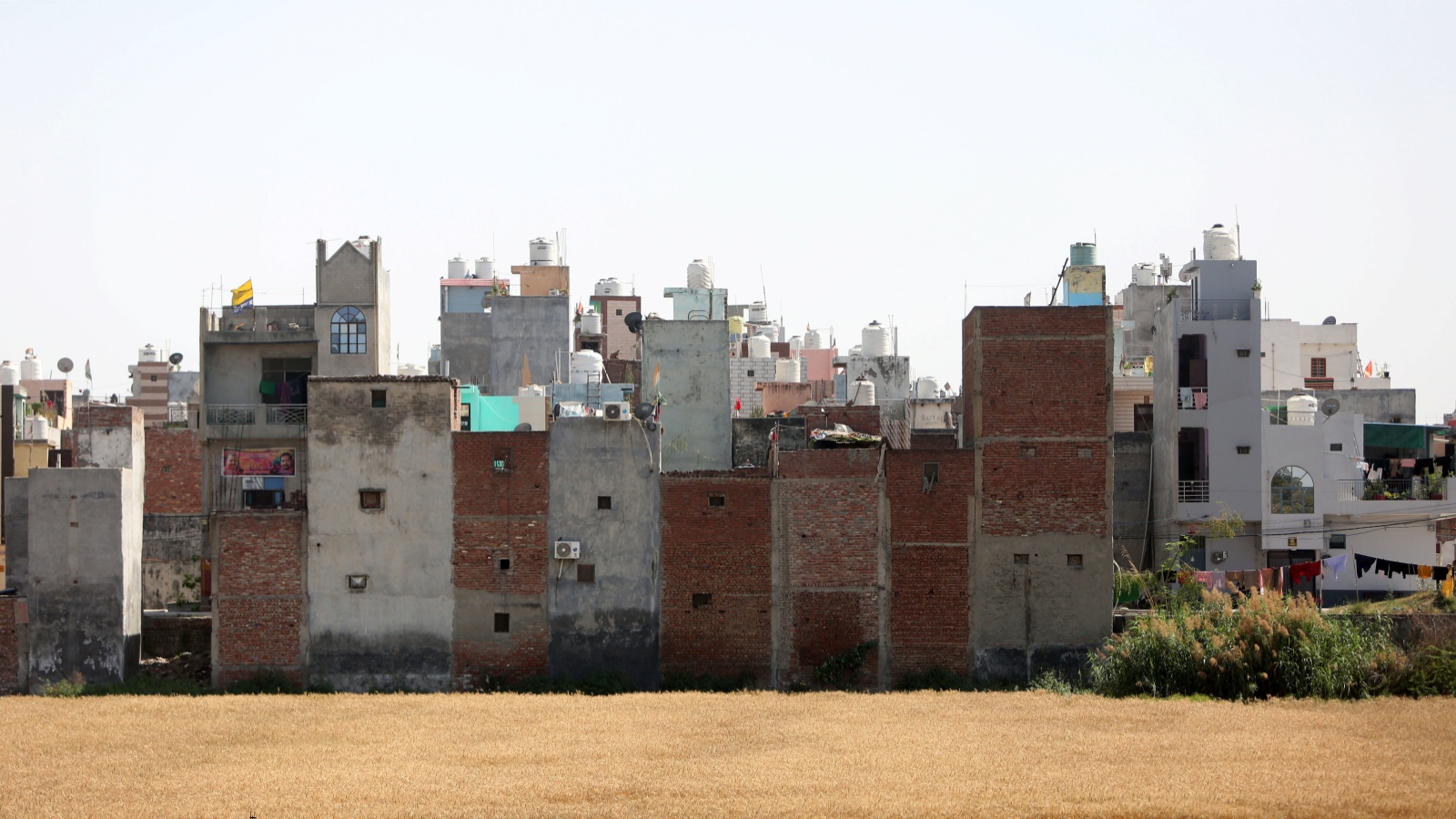
In April, the Union government had announced a simplified procedure for granting ownership rights to around 45 lakh residents of 1,511 unauthorised colonies in the city on an “as-is-where-is basis”, while removing the prerequisite of having an approved layout plan.
The Delhi government’s Revenue department was made the nodal agency for the scheme and will set up PM-UDAY cells in all 13 districts, each headed by an Additional District Magistrate.
The funds have been sought for three components — a technology-based land survey and mapping system, the setting up of district-level PM-UDAY cells, and a public awareness campaign, a statement from the Chief Minister’s Office highlighted on Sunday.
According to the government, Rs 65 crore will be utilised for the mapping and survey system under an initiative called DRISHTI; Rs 25 crore for establishing the district and headquarters-level PM-UDAY cells, which the government says are necessary to issue property documents within a stipulated 45-day timeline; and Rs 10 crore for outreach activities, including workshops with Resident Welfare Associations, help desks, and awareness camps.
In her letter, Gupta has requested that the Rs 100 crore package for the first phase be approved under the Urban Development Fund (UDF). “The institutional framework required for implementing the scheme has already been notified and the work has commenced. Timely financial support from the Central Government will help ensure that lakhs of Delhi residents receive the benefits of property rights at the earliest and with greater ease,” she wrote.
Slow uptake
Earlier in July, the government had set October 31 as the last date of application for regularisation under the scheme, citing low number of applications as the reason.
Story continues below this ad
Previous attempts have also seen a lukewarm response from the public. Ahead of the 2020 Delhi elections, the central government had announced the launch of the PM-UDAY scheme to regularise 1,731 unauthorised colonies. DDA was the nodal agency to implement the scheme.
This was different from past attempts at regularisation, under which the Delhi government was to coordinate the whole process. The Aam Aadmi Party (AAP) was in power in Delhi when the BJP-led Central government launched PM-UDAY.
Up to March 31, 2026, however, only around 40,000 conveyance deeds and authorisation slips had been issued under the scheme. The government said that “it has been observed that even after issuance of conveyance deeds/ authorisation slips, residents are unable to get building plans approved or regularise existing structures due to the absence of approved layout plans. These layout plans were to be prepared by RWAs and approved by MCD.”
Due to this, the new regulations notified in April stated that 1,511 colonies will be regularised on an “as-is, where-is” basis without requiring approved layout plans, and that the land use of all plots and buildings in these colonies will be treated as residential.
Story continues below this ad
Also, the Delhi government’s Revenue Department was made the nodal agency again, taking the responsibility for implementing the scheme back from DDA.
But experts have flagged that such regularisation has its pitfalls. In the previous policy, residents could get ownership of land by submitting documents to DDA, but for regularisation, MCD was required to approve a layout plan prepared by the local RWA that included provision/ improvement of services such as augmenting water supply lines, sewage networks, solid waste management, and decluttering of overhead electric cables.


Stay updated with the latest – Click here to follow us on Instagram
Disclaimer: We do not own any of the content, ideas, images, or text presented here. All rights belong to their respective owners. For more information and to view the original source, please visit the following link: