

5 min readMumbaiJun 14, 2026 05:55 AM IST
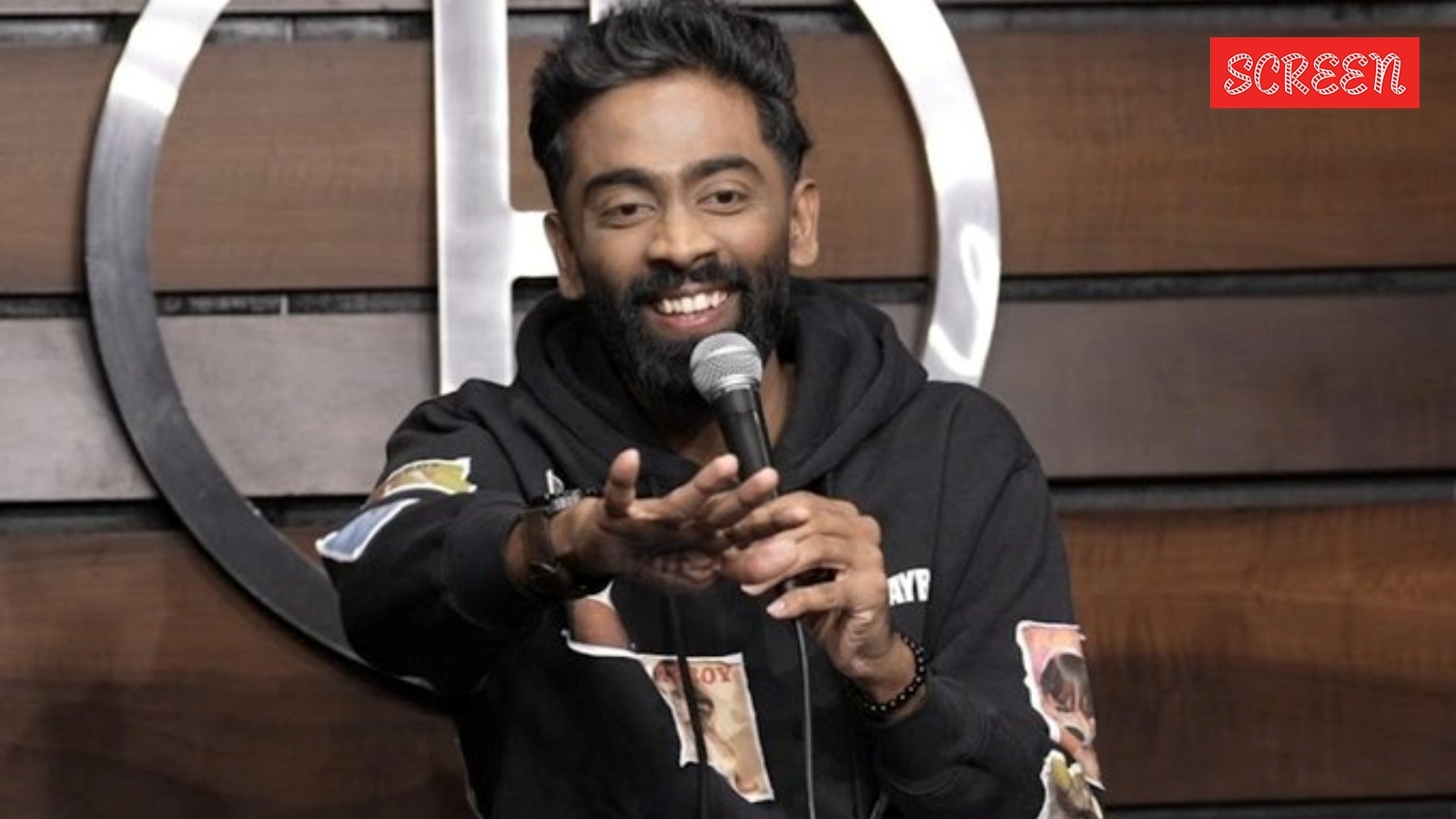
Recently, 22-year-old Himanshu Jangra was at a comedy show, as part of an audience participating in crowd-work. There, he implied that spending Rs 370 on biryani on a date entitled him to “something” from the woman. The room laughed. Comedian Pranit More laughed and later uploaded the clip on social media. The internet did not laugh.
Jangra’s employer, Vivek Vishwakarma, founder of Gurgaon-based design and marketing agency Starvik Design, terminated his contract, stating that the effect of his statements had hampered their work and it was a business decision.
Jangra’s case is the latest in a stream of incidents when companies are taking note of an employee’s conduct after office hours. “Incidents like this are a good reminder that everything you say or do is potentially in the media’s eyes now. There’s no real ‘private’ space when it comes to public platforms,” says Divye Agarwal, co-founder, Binge Labs, a social media strategy company.
Agarwal asserts that your workplace is an integral part of your identity today. “Your identity isn’t just ‘I’m a person living in Delhi.’ It’s ‘I’m a person living in Delhi who works at X company.’ That part follows you everywhere, even if it’s only 20-30% of who you are.”
Agarwal drew a parallel to cricketers KL Rahul and Hardik Pandya who were dropped from the team (in 2019) after their comments on Koffee With Karan landed badly. “Humour and jokes are absolutely fine, we encourage that, it’s part of any healthy culture. But there’s a line, and that line is at things like misogyny or anything that puts someone else down. That’s not humour anymore, that’s just disrespect dressed up as a joke.”
Myah Payel Mitra, a Bengaluru-based coach, who works with organisations such as LinkedIn, Microsoft, Amazon and Myntra to create safe work cultures, says, “We are living in an always-on culture, which means you are at work even if you aren’t.” HRs, she adds, are now actively checking digital footprints, and leading MNCs like KPMG have formal guidelines on what employees can and cannot post.
The question of who bears responsibility when something goes wrong in a public setting is blurred. Jangra’s firm was working out of a co-working space. “We’re not in a position to take disciplinary action against individuals who aren’t our employees,” says Guncha Khare, Senior Director of Strategy at Dextrus, which runs four co-working spaces in Mumbai. “But where conduct affects how people experience our shared workplace, we would raise it with the company concerned — both to flag the concern and to understand what steps they are taking to address it.”
Story continues below this ad
The chairman of a leading PR company, on the condition of anonymity, shares: “Every employee is a brand ambassador of that firm, be it a board member, CEO or a junior. Professional and personal behaviour are both sides of the same coin. You cannot switch your conduct on or off from one place to another.”
Not too long ago, in 2018, Michelin-starred chef Atul Kocchar, was fired from a Dubai restaurant after a tweet in which he stated that Muslims had “terrorised” Hindus for thousands of years — a comment he later apologised for. “People should distinguish between personal life and professional life, but they don’t. In today’s times, it has become most important to not say anything,” he says.
That caution is now institutional. Tripti Bhatia, founder of Mumbai-based PR and marketing firm Detales Brand Communication, says her team avoids online opinions altogether. “You aren’t getting anything by being vocal, so it is better to be quiet and do your work.” On Jangra, she is unequivocal: she would have terminated him too.
Agarwal sees a distinction worth preserving. “Everyone’s entitled to their opinions — political, religious, whatever side of anything. But the moment it puts someone else down, that’s where we draw the line. It’s not about restricting people, it’s about building a culture people actually want to be part of.”

Stay updated with the latest – Click here to follow us on Instagram
Disclaimer: We do not own any of the content, ideas, images, or text presented here. All rights belong to their respective owners. For more information and to view the original source, please visit the following link: